









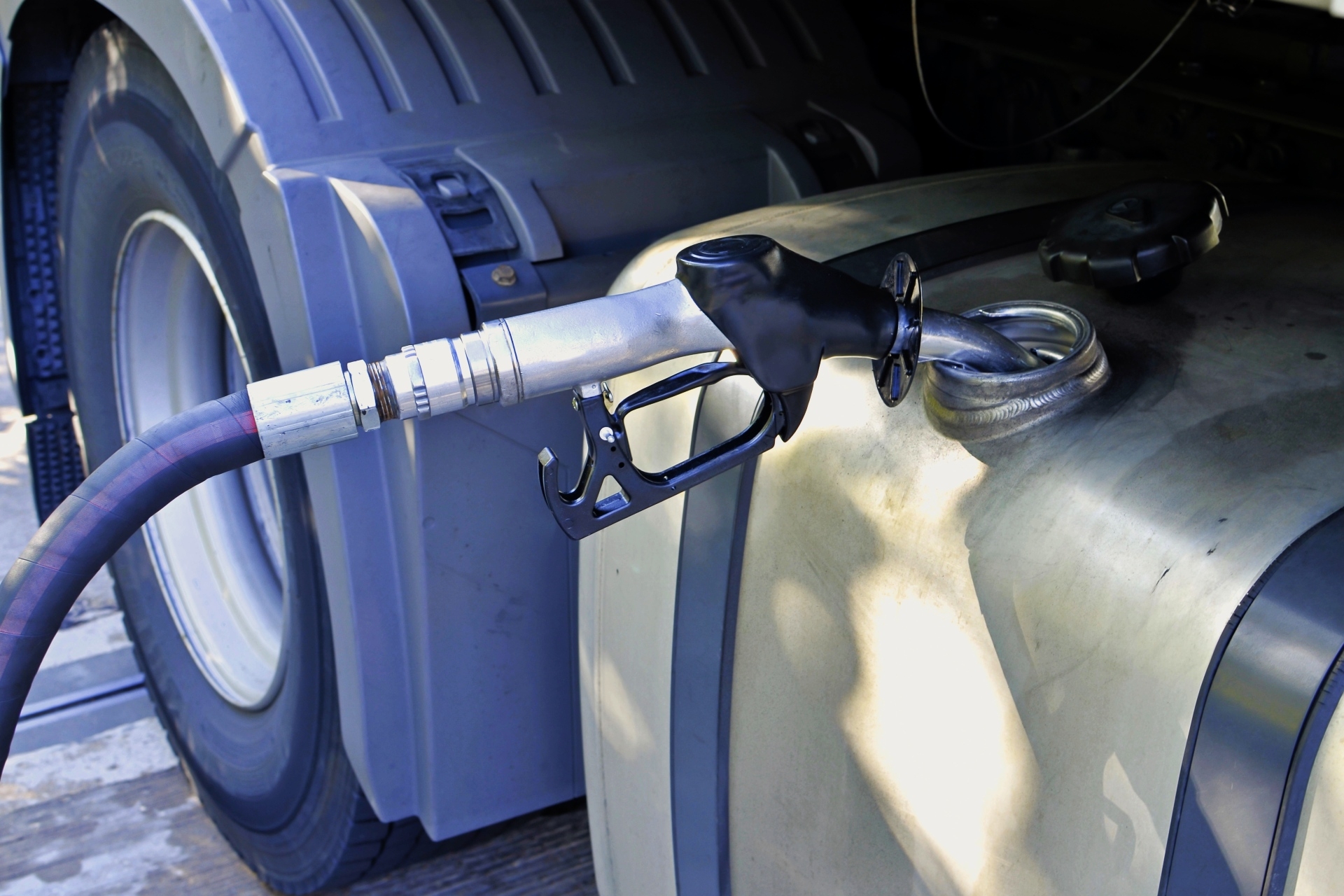
The year 2026 may bring carriers a set of factors acting in opposite directions. Global oil oversupply will likely exert downward pressure on prices, while EU regulations, rising operating costs, and staffing challenges may weaken this trend. As a result, fuel prices in Poland may remain relatively stable, and efficient management of liquidity and cost risk may become increasingly important.
Global oil oversupply changes the balance of power
The global oil market shows a tendency to enter 2026 with a clear surplus of supply over demand. According to Goldman Sachs analyses, Brent prices could head towards 50–58 dollars per barrel, although with a significant supply surplus, lower levels cannot be ruled out. The withdrawal of voluntary production cuts by OPEC+ could increase global supply by approximately 2.5 million barrels per day, and rising production in the United States, Brazil, and Guyana further strengthens this dynamic. Estimates from the International Energy Agency indicate that by the end of 2026, the world could be producing as much as 4 million barrels per day more than is required.
In practice, however, the oil market remains susceptible to political and economic turmoil. Supply disruptions, sanctions, and geopolitical tensions can periodically raise prices and slow down the process of their decline, as confirmed by market reactions during the escalation of conflicts in 2025. The exchange rate of the zloty works in favor of carriers
The zloty exchange rate as an additional stabilizer
In Polish conditions, the dollar exchange rate is of great importance. In 2025, the zloty strengthened by about 12 percent, which significantly reduced fuel import costs. Forecasts for 2026 suggest that the exchange rate may remain relatively stable, and if the US Fed introduces interest rate cuts, the dollar may weaken even further. Every 10 groszy of zloty appreciation usually translates into a 2–3 percent reduction in fuel costs, which is particularly important for companies operating on large refueling volumes.
Fuel prices in 2026 – cautious scenarios
Currently, a liter of gasoline costs about 5.90 PLN, and diesel – about 6.10 PLN. Forecasts for 2026 suggest the possibility of a gradual reduction in prices to the level of 5.6–6.0 PLN per liter, although these reductions may be partially neutralized by regulatory factors. Seasonality will likely remain visible, but its impact may be smaller than in previous years because the fuel market is increasingly affected by geopolitical volatility. De-escalation of conflicts could lower oil prices by several or a dozen dollars, while their renewed intensification could quickly raise prices above 75 dollars per barrel. In such a case, fuel prices in Poland could oscillate around 6.3–6.5 PLN per liter.
EU regulations increase transport operating costs
However, it is EU climate policy rather than the oil market that will be the key cost factor in 2026. The ETS II system, covering CO₂ emissions from road transport, is coming into force. Carriers will have to monitor, report, and account for their carbon footprint, and the end of free emission allowances will increase fuel prices by an additional 5–10%.
Further costs are associated with the mandatory implementation of the eFTI system, which requires full digitization of transport documents. This means investments in software, system integration, training, and adjustment of operational processes. At the same time, the industry is affected by a growing shortage of drivers, exacerbated by the expiration of simplified rules for employing workers from Ukraine in March 2026. All this leads to increased wage pressure and greater competition for employees.
Financial liquidity as a foundation for stability
In 2026, the biggest challenge for carriers may not be the fuel price itself, but a combination of regulatory pressure, deteriorating liquidity of contractors, and growing payment delays. Therefore, a preventive approach to finance is becoming increasingly important – regular verification of clients, careful planning of cash flows, and ensuring access to fast financing can significantly improve a company’s resilience. Companies that secure financial stability even before potential fuel cost increases may enter 2026 in much better condition.
Advice for 2026 from Malcom Finance
The biggest risk for carriers in 2026 will not be fuel prices themselves, but a combination of three factors: regulatory pressure, weaker contractor liquidity, and payment delays. Therefore, the priority should be to introduce a preventive financial model. In practice, this means verifying clients, planning cash flows on a weekly basis, and securing access to financing that can be activated in 24 hours. Companies that take care of stable income before fuel cost spikes occur will strengthen their position and get through 2026 without losing profitability.
Factoring and contractor credibility as a real advantage
In recent years, the importance of tools supporting risk management in transport has been growing. In 2025, interest in verifying contractors before starting cooperation increased significantly, especially in Poland, the Czech Republic, and Slovakia. Unstable payment terms and the growing number of insolvencies make access to information about the credibility of partners a key element of business planning. At the same time, factoring is playing an increasingly important role, already used by as many as every third transport company in the region. The ability to obtain funds from an invoice within even one day enables refueling at favorable moments, maintaining liquidity, and eliminating the risk of downtime.
2026: a year of strategic decisions
The coming year may prove demanding, but at the same time full of opportunities for companies that can react efficiently to changes. Global oil oversupply and a strong zloty can act as stabilizers, while climate regulations, document digitization, staffing challenges, and the volatile geopolitical situation will require greater flexibility and caution. In such realities, companies capable of rapid adaptation, consistent risk management, and building financial stability can gain an advantage. In 2026, it is not the size of the fleet, but operational resilience and the ability to react to unpredictable circumstances that may become the key element of success.
Source: Malcom Finance