









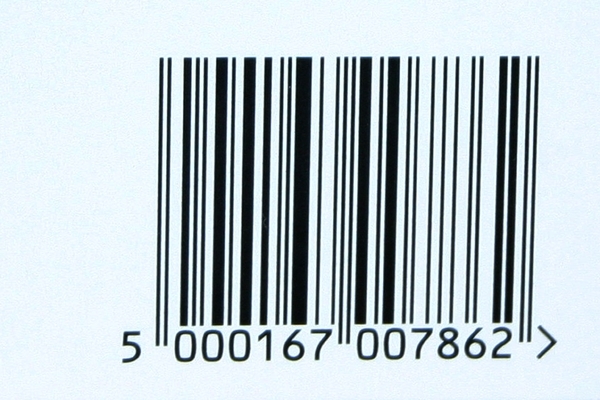
Invented over 60 years ago, graphic elements in the form of lines and spaces are used in most industries around the world. The GS1 system has been used in trade for years, and this is the type of code placed on product packaging to facilitate wholesale and retail turnover.
40 years ago, representatives of retail companies agreed on a common way of identifying retail products using a selected barcode. The pursuit of far-reaching financial benefits through automatic sales registration and the elimination of duplicate activities took precedence over companies’ pursuit of competitive advantage. Can a hospital or other healthcare facility have anything in common with a supermarket? Contrary to appearances, yes – in both these places, unambiguous identification is extremely important – of goods in a supermarket, and of dispensed medicines, materials, as well as patients and equipment in a hospital. On the other hand, from the point of view of pharmaceutical companies and medical device manufacturers, it is crucial to provide patients with a safe product – authentic and identified in an unambiguous way.
Verification of correct medication administration in healthcare entities
The main application of barcode technology is to check the identification of a drug, person, or procedure and link it to the medical staff member responsible for the patient’s care. Research results conducted globally, for example in the USA (Institute of Medicine of the National Academies – 2006; Healthcare Distribution Management Association – 2004), Great Britain (Department of Health – 2007), New Zealand (Davis P. – 2001; Merry A. F., Peck D. J. – 1995), and Australia (GS1 – 2009/2010) clearly show that medical errors related to improper medication administration are the main cause of iatrogenic diseases, and their source is most often improper patient identification. Additionally, research conducted this year in Great Britain regarding the use of nurses’ working time on the ward showed how pressing, though seemingly invisible, this problem is (Department of Health – 2007). Each nurse spends an average of a month a year searching for lost equipment, medical materials, or documents. Every day, about 1/4 of all nurses in a hospital look for a patient’s medical record or laboratory data. Most of them are convinced that applying the popular barcode technology from the supermarket would significantly help eliminate these problems. Almost half of them were also convinced that a bracelet with a patient code on their wrist would significantly help in their identification and allow for a reduction in the number of errors by more than 50%.
Handheld terminals with a built-in scanner can already have various procedures programmed, for example regarding blood transfusions. Scanning the bracelet on the patient’s arm and the code on the blood packaging will allow for verification of whether the patient has been given blood with the correct parameters.
The article contains 8750 characters.
Source: Logistyka Magazine 4/2013