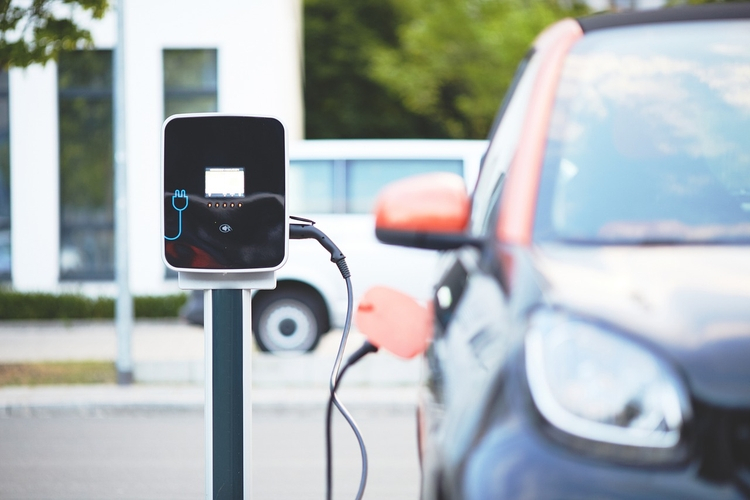
PSPA data indicates that at the end of September this year, there were already 14.8 thousand electric passenger cars on Polish roads. More than half of them are fully electric vehicles. Many electric vehicles are powering corporate fleets. The goal of the study is to check the costs of using electric vehicles in business. The tests will cover models from various segments and used by companies from various industries. For the first three months, they will be carried out in the courier industry.
– Electric cars are the future of logistics – not only urban, but it is worth starting with cities, because more than half of the world’s population already lives in them today, suffering from factors such as excessive noise or smog. This is compounded by high vehicle density per square kilometer. The advantage of electric-powered cars is that they are basically silent, so they can reduce urban noise and increase the comfort of couriers’ work, which is important during long-term driving – says Bartłomiej Wnęk, Operations Director at DHL Parcel.
Replacing cars with electric ones is the company’s main goal included in the “Zero Emissions 2050” strategy, which assumes a total reduction of CO2 emissions into the atmosphere over the next three decades. However, electric cars bring not only ecological benefits.
– Implementing electric vehicles allows both to minimize CO2 emissions and to reduce costs and become independent of price fluctuations in the fuel market – adds Bartłomiej Wnęk.
– Their drivers can enjoy privileges such as: driving in bus lanes, free parking in city centers, or unlimited entry to clean transport zones. These are amenities that are especially important for companies carrying out last-mile deliveries in urbanized areas. Zero-emission means of transport also positively influence the company’s image as an entity that takes environmental protection issues into account in its operations. And most importantly: including electric cars in the fleet can bring real financial benefits. Hence, we already have numerous companies in the TSL industry in Poland that have implemented electric delivery vehicles into their fleets, an example of which is DHL – says Maciej Mazur, President of the Polish Alternative Fuels Association.
The courier industry uses road transport to a very large extent, which is why it was subjected to the PSPA “ELAB – Clean Transport City” research, which started in October. The task of the project is to compare the costs of owning electric vehicles and their traditional counterparts. The research takes into account, among other things, the benefits resulting from subsidy programs launched by the National Fund for Environmental Protection and Water Management (NFOŚiGW). 15 companies and organizations, including Renault Polska, have become involved in it.
– This will be the largest comparative study of TCO for zero-emission and conventional vehicles in the Central and Eastern Europe region. As part of the 18-week project, we will perform a total of 20,000 different measurements. After three weeks of research, the tested vehicles have already covered about 6,000 km, with the operating costs of EVs proving to be more than four times lower than their combustion counterparts so far – says Maciej Mazur. – The study will allow us to determine the potential for electrifying the fleets of Polish companies and local government units, and at the same time determine what conditions must be met for investment in electric vehicles to be economically justified.
The “Fleet Barometer 2020” developed by the Arval Mobility Observatory shows that 30 percent of Polish companies are already using alternative drive technologies (electric, hybrid, LPG). For now, only 3 percent have already introduced electric cars into their fleet.
– Before making a decision to replace the fleet, companies should take into account not so much the purchase price itself, but the total cost of ownership (TCO) of cars, which also includes factors such as depreciation, potential subsidies, insurance, fuel and service costs, or road and parking fees. Only the sum of all these elements allows us to determine the profitability of an investment in a given vehicle – points out Maciej Mazur.
The results of the research will be known in the first quarter of 2021.
Source: Newseria
Read more about electromobility:
– SPAR tests electric delivery vehicles
– CityLogin – ecological urban logistics by FM Logistic
– InPost invests in an electric fleet
We write more about electromobility and the transport of the future in the magazine Logistyka 4/2020.
The e-edition of the magazine is available in our offer!