









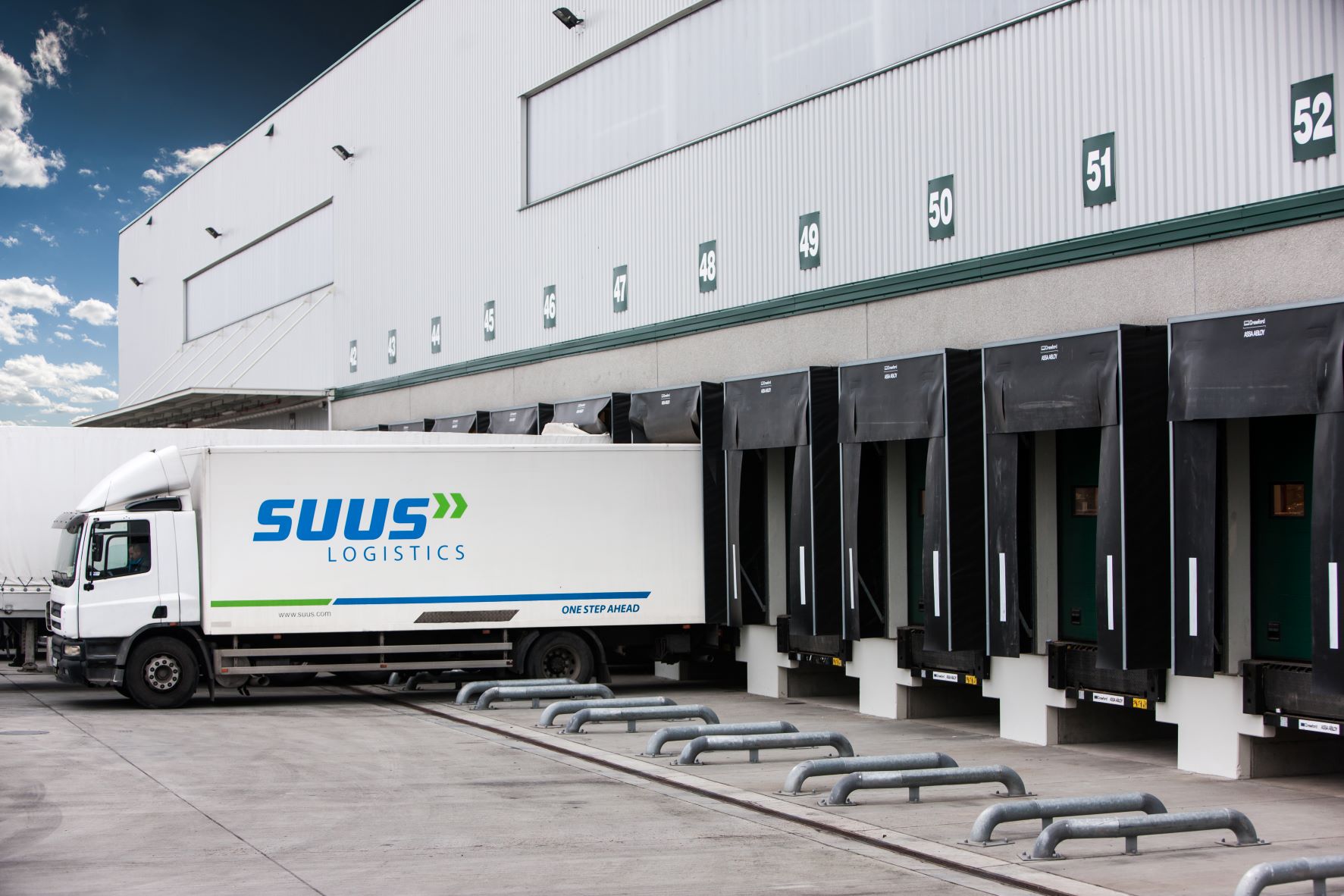
The Czech Republic has long been one of the most industrialized economies in Central and Eastern Europe. At the same time, the country is among the fastest-growing e-commerce markets in Europe. This unique economic profile means that companies operating in the Czech Republic are deeply integrated into international supply chains, which generates a growing demand for comprehensive logistics solutions and the need to manage them.
Czech industry: strengths and challenges
Industry remains a pillar of the Czech economy, accounting for nearly 30% of the country’s GDP. The automotive, machinery, electronics, and chemical sectors have built a strong industrial ecosystem based on years of know-how, a highly skilled workforce, developed infrastructure, and a broad supplier base. The importance of these assets is growing as manufacturers increasingly turn to nearshoring strategies, moving production closer to European markets to increase supply chain resilience and shorten transport times. This is particularly evident in the automotive sector. The Czech Republic is strengthening its position not only as one of the leading European vehicle manufacturers but also as a growing hub for electromobility. Investments such as Toyota’s new project for the production of batteries and electric vehicles in Kolín demonstrate the country’s ability to attract advanced industrial projects and support the ongoing transformation of the European automotive sector.
At the same time, the structure of the Czech economy poses certain challenges. The country’s industry has long been closely linked to German production, making Germany by far the Czech Republic’s largest trading partner, accounting for about 30% of the country’s goods exports. A significant portion of Czech exports consists of intermediate goods, machinery, electrical equipment, and automotive components supplied to the German industry. Although this close cooperation has driven economic growth for decades, the recent slowdown in the German manufacturing sector has highlighted the importance of diversifying both export markets and supply chains. In this context, neighboring Central and Eastern European markets, especially Poland – already one of the Czech Republic’s most important trading partners and one of the fastest-growing and most resilient economies in Europe in recent years – are becoming an increasingly significant growth opportunity for Czech companies.
The most active online shoppers in Europe
Alongside its strong position in the industrial sector, the Czech Republic has become one of the fastest-growing e-commerce markets in Europe. Online sales already account for about 17% of total retail trade, well above the EU average of approximately 11%. Czech consumers are among the most active in the region in terms of online shopping, and the most popular product categories include electronics, fashion, home goods, and groceries. The market is also becoming increasingly mature. Consumers expect wide product availability, seamless shopping experiences, and convenient delivery options, while retailers continue to develop cross-border operations. As a result, the Czech Republic is strengthening its position not only as a key consumer market but also as a gateway for e-commerce across Central and Eastern Europe.
Czech companies in global markets
The aforementioned trends are driving a growing demand for integrated logistics services tailored to the needs of various industries. On one hand, companies need comprehensive warehousing, value-added services such as co-packing and order picking, as well as efficient road transport supporting distribution across multiple sales channels. Whether deliveries are destined for production plants, retail chains, e-commerce fulfillment centers, or directly to consumers, companies increasingly expect logistics service providers to ensure reliable and flexible logistics both in the Czech Republic and in European markets.
At the same time, both manufacturing and e-commerce are increasingly operating on a global scale. Manufacturers rely on imported components and raw materials from various markets such as Asia, Latin America, or the United States, while retailers import finished goods from international suppliers and serve customers in multiple markets. As a result, companies need reliable international transport solutions that connect the Czech Republic with global trade routes.
This drives demand for both air and sea freight services. Prague Airport provides extensive connections to global markets and plays an important role in handling time-sensitive cargo. Although the Czech Republic is landlocked, transport to global markets is supported by efficient connections with neighboring countries. Alongside ports in Germany and the Netherlands, Polish seaports are playing an increasingly important role as gateways for Czech imports and exports. At Rohlig SUUS Logistics, we handle container pickups and deliveries between Polish seaports and the Czech market – both in intermodal and road transport – through direct services and our network of daily groupage connections linking Prague with Wrocław and Brno, and Ostrava with Katowice.
Efficient customs clearance means efficient supply chains
As global supply chains become more complex, effective management of customs clearance is becoming as important as transport itself. Delays at border crossings, changing trade regulations, and increasing compliance requirements can significantly impact delivery times, inventory levels, and overall supply chain efficiency. Companies today increasingly expect comprehensive customs support covering import, export, and transit procedures, inward and outward processing, customs warehouses, temporary storage, and certificates of origin. Equally important is support for compliance with evolving EU regulations, including CBAM and EUDR, which impose new reporting and due diligence obligations on companies involved in international trade.
To meet these needs, Rohlig SUUS Logistics provides comprehensive customs services integrated with transport and warehousing operations. Strengthening our presence in the Czech market, we recently opened a new customs branch in Brno, located in the Brno-Slatina Customs Office building, with direct access to the D1 and D2 motorways and proximity to the airport. This allows us to provide faster and more efficient customs handling for companies operating in both regional and global supply chains.
Comprehensive logistics in the Czech market
At Rohlig SUUS Logistics, we see great business potential in the Czech market. We have been present in the country for over eight years, offering comprehensive logistics solutions. As companies increasingly operate in more complex and global supply chains, they are looking for “one-stop-shop” logistics providers capable of integrating transport, warehousing, customs handling, and supply management services into a single, coordinated operation. We are consistently developing our business to better meet these changing needs. Over the years, we have opened a modern logistics center in Brno, developed regular groupage connections linking the Czech Republic with Poland and other Central and Eastern European markets, and recently strengthened our local capabilities with a new customs branch in that city and a dedicated Customer Service department in our Prague office.
Source: Rohlig SUUS Logistics