








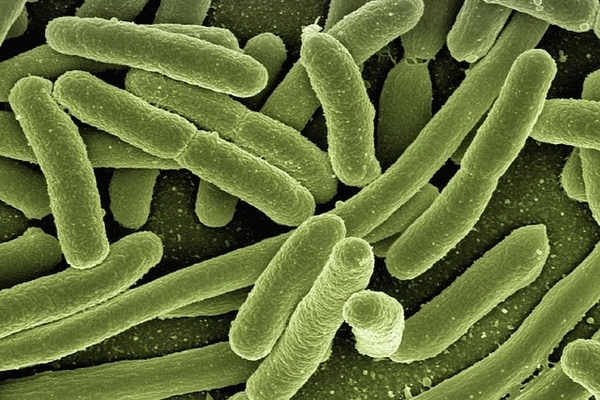
In recent years, the global political situation has led the authorities of many countries to pay special attention and allocate resources to improving the security of the state and its citizens in the context of minimizing the risks associated with terrorist attacks. In addition to attacks using explosives and all kinds of firearms, there is also the threat of biological attacks.
Such actions, i.e., so-called bioterrorism, involve the intentional contamination (or threat of contamination) of food and water with biological, chemical, or radioactive agents. Bioterrorist attacks are difficult to detect because microorganisms are easy to hide and transport, and even a small amount can be dangerous. They are also extremely effective, as their use results in high mortality (e.g., anthrax approx. 80%). The effect of their effectiveness is also increased by the lack of vaccines and treatment methods.
Undoubtedly, it is very difficult to protect against such a danger, but Crisis Management Centers, depending on the scope of contamination from the district level, through the provincial level, to the national level, have an obligation to react effectively and implement procedures for dealing with such threats. In relation to food, the most common biological agents are:
– Ebola (virus),
– anthrax (bacteria),
– botulinum toxin (bacteria),
– plague (bacteria).
The procedure is effective as long as it is possible to quickly locate and withdraw products that are likely to be contaminated. One of the ways to make these actions effective and, above all, efficient is to apply standard solutions for identification and communication related to products on the market. The system developed by the global organization GS1, which is common, global, and used precisely in relation to consumer products, can help with this. GS1 standards enable the tracking of the movement and origin of products (traceability) through the proper identification of dangerous production batches and much faster removal from the market in the event of a health hazard. Therefore, not only supply chain participants, such as manufacturers, retail chains, wholesalers, or logistics operators, should use these standards to improve product safety on the market, but also bodies coordinating actions aimed at protecting citizens against bioterrorism. The threat is real, and the tool for investigating the origin of products and quickly recalling them from the market is proven. A manufacturer who can trace their supply chain and locate products in real-time is a guarantor of the safety of food products reaching consumers’ plates.
Grzegorz Sokołowski
Traceability Expert GS1 Poland