









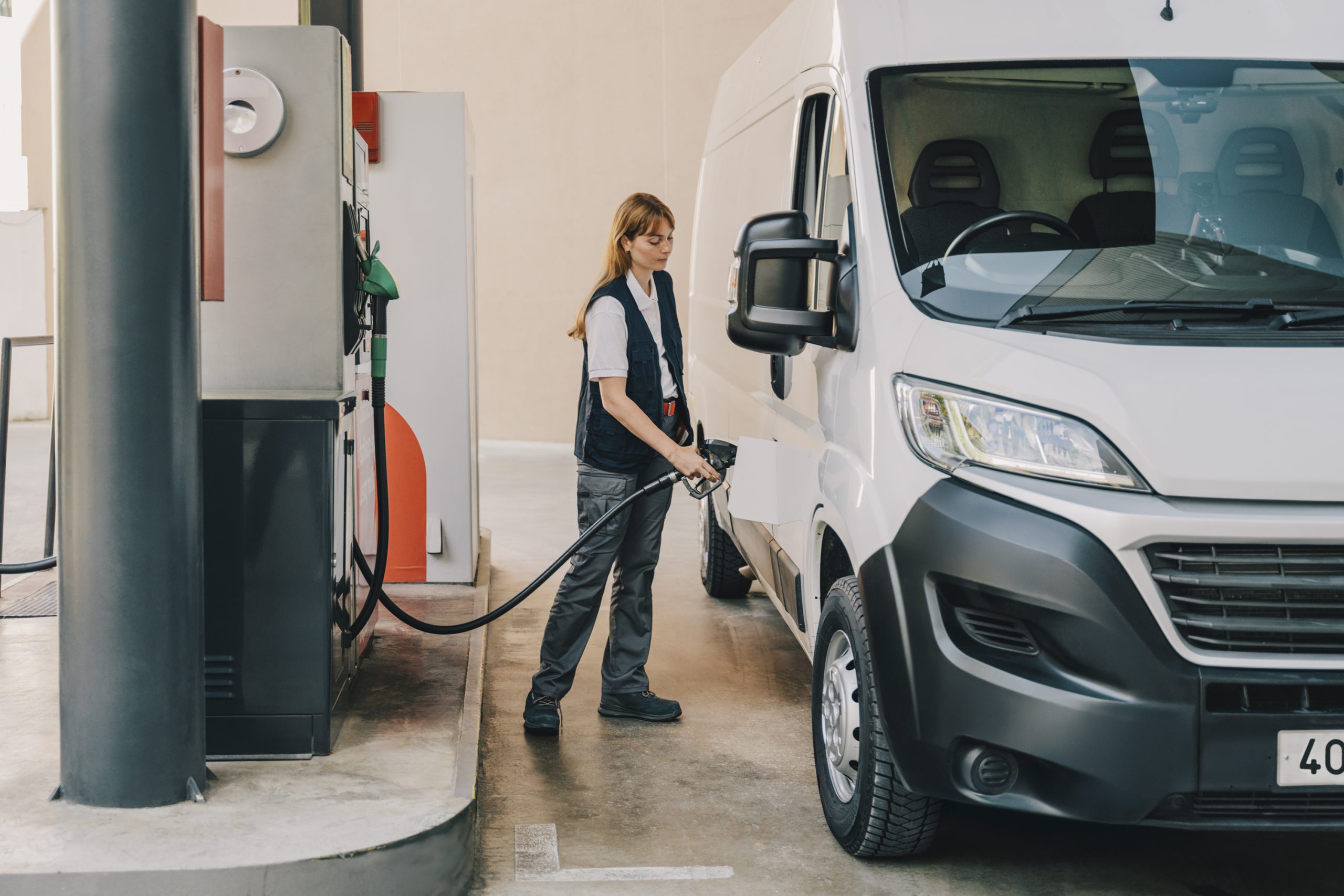
In the face of persistently high fuel prices, effective fleet management is becoming increasingly important. According to Webfleet data, fuel now accounts for up to 40% of fleet operating costs, whereas just a few years ago it was 20–30%. At the same time, inefficient driving can increase fuel consumption by up to 20%, and every additional detour generates measurable losses – in a 20-vehicle fleet, extending the route by just 5 km daily means an annual waste of nearly 10,000 liters of fuel. Additional challenges include fuel theft, which 73% of commercial fleets experience annually, and growing traffic congestion – vehicles in the largest EU cities spend an average of 91 hours per year in traffic jams. For trucks, every hour of engine idling means consuming about 1.5–1.6 liters of diesel, which at current fuel prices translates to about 20 groszy in costs for every minute of idling.
Poland, like the entire EU, is heavily dependent on crude oil imports. According to the latest data from POPIHN (Polish Organization of Oil Industry and Trade), in 2025, nearly 98% of the crude oil processed by Polish refineries came from imports. Additionally, domestic refinery production is unable to meet the demand for fuels, especially diesel. Nearly 30% of the diesel consumed in the country and about 22% of the demand for gasoline are met by net imports and intra-community acquisitions of these fuels. Therefore, fuel prices in Poland are strongly correlated (80-90%) with the prices of crude oil and petroleum products on the European ARA (Amsterdam-Rotterdam-Antwerp) market – says Rafał Zywert, Director of the Forecasting and Analysis Department, Reflex Sp. z o.o.
Growing cost pressure is causing companies to invest in telematics, fuel consumption monitoring, and route optimization. Technologies enable real-time analysis of fuel levels, detection of inefficient driving, reduction of engine idling, and prevention of fuel theft. Video telematics and systems supporting drivers in economical driving are also playing an increasingly important role – summarizes Gaweł Bogus, Regional Marketing Manager PL&CEE Webfleet Poland.
This is confirmed by the experiences of companies using telematics solutions for fleet management. The Czech transport and logistics company ČSAD Uherské Hradiště, with a fleet of 130 trucks and 160 buses, reduced total fuel costs by 12% and simultaneously reduced fleet maintenance issues by 25% thanks to real-time vehicle monitoring, route optimization, and analysis of driver behavior. Meanwhile, Konica Minolta, using telematics data and an EcoDriving program promoting economical driving, reduced average fuel consumption by 1.3 l/100 km in just three months, which translated into savings exceeding 18,000 PLN. Both examples show that even with persistently high fuel prices, companies can effectively reduce costs through better route planning, vehicle monitoring, and changing driver habits.
Source: Webfleet