









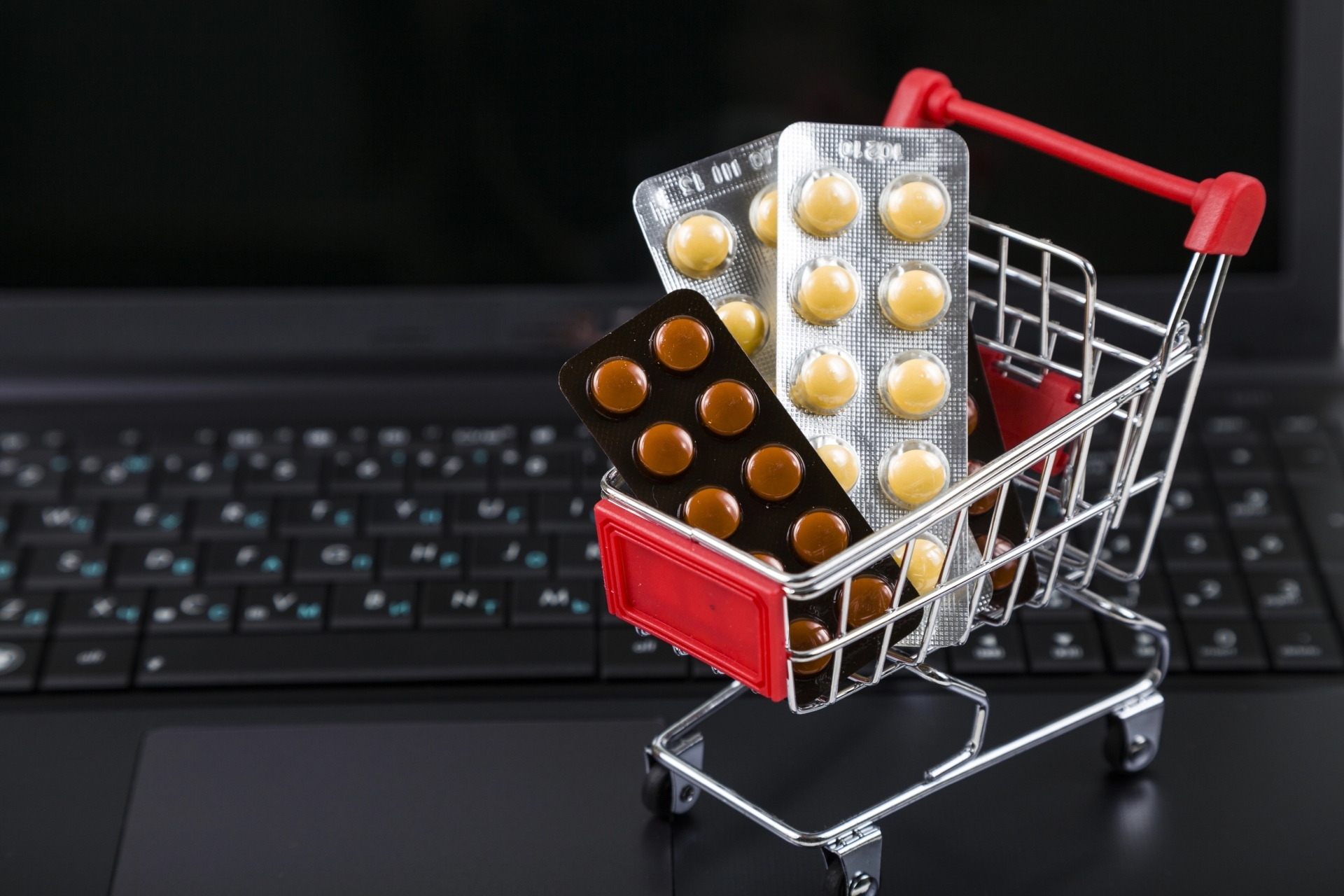
Counterfeit medicines pose a serious threat to health, but they also undermine trust in the healthcare system and the entire pharmaceutical sector. However, their production is now a massive industry, with a value estimated at over 400 billion dollars annually. The growth of the medical counterfeit market is fueled by low income levels, as well as increasing access to medicines purchased online. This topic was analyzed by experts from FM Logistic, who in their report “Pharmaceutical supply chains under pressure – new paths for development” note that this phenomenon can be limited through solutions such as blockchain technology or shipment tracking.
At the end of September 2025, the media reported that the Central Investigation Bureau of the Police (CBŚP) had dismantled the largest illegal counterfeit medicine factory in Poland. The value of the seized preparations was estimated at a staggering 20 million PLN. However, this is just a drop in the ocean when it comes to the global market for counterfeit medicines. As FM Logistic experts note, it is estimated to be worth as much as 1.5 billion dollars, and its value is expected to double by 2037.
Diagnosis: low income and online trade
The World Health Organization (WHO) divides illegal medical products into substandard and counterfeit medicines. The former do not meet specific standards, e.g., regarding production standards, while the latter intentionally mislead, e.g., regarding composition or source of origin. Both groups pose a serious threat to public health worldwide, especially in poorer regions. It is estimated that 1 in 10 medicines in low- and middle-income countries failed quality control tests, suggesting that the product is substandard or falsified. According to Interpol estimates, as many as 1 million people die each year due to the use of such substances, and yet, according to the WHO, approximately 30.5 million dollars are spent on them annually. According to data cited in the FM Logistic report, the most frequently counterfeited medicines are those affecting: the genitourinary system (35 percent), the central nervous system (23 percent), metabolic systems (18 percent), oncology (13 percent), and anti-infectives (12 percent).
The growth of the counterfeit medicine market is stimulated not only by demand but also by broad distribution opportunities. The increase in online sales through unauthorized stores exacerbates the problem, making it easier for consumers to access unverified substances. Meanwhile, the main channel for selling counterfeits is the internet. However, it must be remembered that in Poland, this is prohibited even for legal medicines if they are prescription-only. A medicine can only be reserved online, but it must be collected in person at a brick-and-mortar pharmacy. The global trade in counterfeit medicines is also facilitated by the specifics of the pharmaceutical supply chain, which is often long, complex, and involves many intermediaries, increasing opportunities for forgery and manipulation.
– explains Paweł Janicki, Senior Business Development Director at FM Logistic.
Prescription: control, technology, logistics
Global organizations and individual governments are taking various actions aimed at combating the trade in counterfeit medicines. An example is the WHO Global Surveillance and Monitoring System (GSMS), which improves the detection, reporting, and response to the circulation of unauthorized medical products, as well as cross-border actions in cooperation with Interpol and customs services. However, FM Logistic experts note in their report that logistics operators and suppliers also have a huge role to play, as they will be expected to support pharmaceutical companies in the fight against the wave of counterfeits.
Above all, this involves actions that help verify the authenticity of products and ensure their veracity using QR codes and barcodes. GPS tracking will become a necessity to meet the last-mile challenge of delivering medicines to pharmacies and controlling the entire supply chain. Better product traceability is also enabled by distributed ledger technology, i.e., blockchain. It provides a tamper-proof record of every transaction and flow of pharmaceutical products, from production through distribution to the end consumer. Thanks to this, it is much harder for counterfeits to break into the supply chain, and even if they do, it is easier to withdraw them from the market.
– adds Paweł Janicki from FM Logistic.
The authors of the FM Logistic report on the pharmaceutical supply chain note that investment in state-of-the-art technologies is essential today to effectively combat the circulation of counterfeit medicines. Artificial intelligence and blockchain are no longer optional; they are key tools for improving supply chain visibility, ensuring product authenticity, and optimizing logistics.
Source: FM Logistic Central Europe