








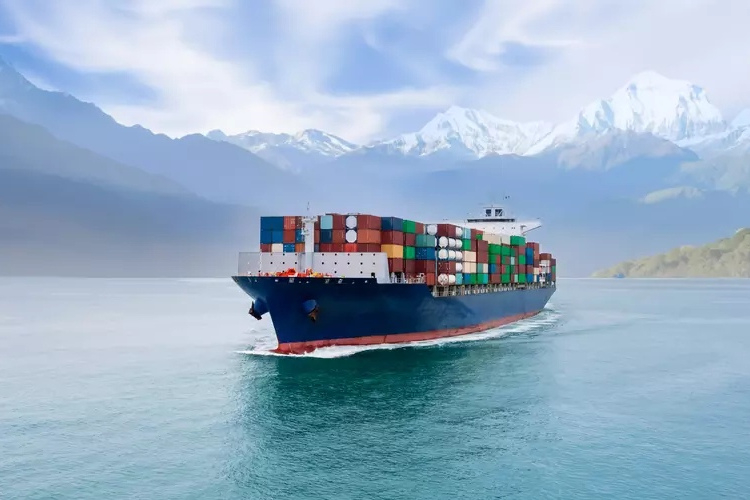
The introduction of sustainable marine fuel is a powerful tool to help companies reduce emissions from maritime transport. To contribute to the climate goals of Grundfos and other pioneers of sustainable transport, GEODIS has partnered with GoodShipping to offer sustainable fuel insetting services. This refers to engaging in decarbonization projects within the value chain. This is different from offsetting, which usually reduces carbon emissions outside the company’s value chain – the introduction of sustainable marine fuel addresses this problem at its source, preventing the production of additional emissions.
When Grundfos and other shippers source sustainable marine fuel for maritime transport, the entire sustainable fuel production chain is stimulated. New forms of cooperation and business models can emerge, ranging from companies involved in the collection and recycling of biogenic waste to refineries producing fuels and companies transporting and delivering them to ports and ships. Equally important is the increase in capital investment in refineries and fuel technologies, which results from the growing demand for sustainable marine fuels. By adopting alternative fuel services early, Grundfos is setting sail for a sustainable future for the shipping industry. This article will present the ambitions of Grundfos, GoodShipping, and what we are doing at GEODIS.
Grundfos – “Sustainability is at our core”
Transforming the maritime transport sector by shifting its dependence on fossil fuels toward alternative technologies requires shippers who are willing to develop more sustainable supply chain strategies and stick to transformational services. One such company is the pump manufacturer Grundfos – a global leader in water technology and water management. Grundfos was founded in Denmark in 1945 and currently has over 20,000 employees worldwide.
– Energy efficiency and sustainability are embedded in our DNA – says Dirk van der Heijden, Senior Director of Global Freight Forwarding at Grundfos. – Our products and solutions provide access to clean drinking water for people all over the world, every day. As a global market leader in our industry, we feel obligated to lead actions toward a more sustainable future. We not only look for opportunities to contribute to water and energy efficiency through our products and solutions, but we have also committed to ensuring that our supply chain is a strict part of our sustainability program. The main goal of Grundfos is to solve water and climate issues by developing innovative products and engaging in Science Based Targets (SBTi) initiatives. Grundfos ships over 20,000 containers annually, and our goal is to do so in a more sustainable way. Alternative marine fuels allow us to decarbonize, but more importantly, it is an investment in the technology necessary to provide our services to the market in a more sustainable way – continues Dirk van der Heijden.
Sourcing sustainable marine fuel
Sustainable marine fuel – intended for shipments carried out by Grundfos – is provided by the Dutch company GoodShipping. Since 2015, GoodFuels, the parent company of GoodShipping, has been developing and distributing sustainable marine fuel using a special vessel for transporting biofuels. GoodFuels’ sustainable marine fuel is climate-neutral and is also an excellent, biogenic substitute for fossil fuels. It does not come from the oil refining process – this sustainable fuel is produced from renewable sources. The advantage of sustainable fuels is a significant reduction in greenhouse gas emissions, such as carbon dioxide, which are emitted into the atmosphere. Greenhouse gas emissions are reduced by up to 85%.
– Biocomponents are sourced mainly in northwestern Europe and transported by barge to production facilities – says Johannes Schurmann, Head of Operations and Sourcing at GoodFuels. – For the production of advanced biofuels, GoodFuels uses only waste such as used cooking oil, tallow, and brown grease. All stages of the process are certified according to ISCC (International Sustainability and Carbon Certification), including the full chain of custody – from the origin of the raw material to intermediate warehouses and production facilities. The greenhouse gas emission intensity, type of raw material, and origin of the raw material are recorded via the ISCC certification system for each batch of fuel. This gives the end user a clear picture of the emission savings of a given batch of fuel. – adds Johannes Schurmann.
GoodShipping, together with GEODIS, ensures the introduction of sustainable biofuel for Grundfos and the necessary documentation to complete the insetting process. “Since the creation of the pioneering sustainable biofuel market in 2015, we have focused primarily on Europe. Since the beginning of 2022, we have also been operating in Singapore, the largest port in the world. This is to properly serve global shippers like Grundfos, who are committed to more sustainable shipping using sustainable fuels,” concludes Schurmann.
GEODIS – behind the scenes
GEODIS replaces fossil fuel with sustainable fuel, which results in a reduction of greenhouse gas emissions. These reductions are linked to reduction certificates issued to cargo owners through a precisely executed mass balance setup.
– Developing knowledge, infrastructure, and operational procedures worldwide to ensure that GEODIS is the optimal partner for Grundfos in their sustainability strategy is a huge challenge for us – says Anika Möller, Global Key Account Manager for Grundfos at GEODIS. – Everything from state-of-the-art emission calculations and IT solutions to competitive pricing for sustainable fuels is within our scope, and this is just the beginning. Grundfos and GEODIS work together in over 60 countries, which is why we have implemented regional and global processes. These processes will require continuous improvement, and with the commitment of clients like Grundfos, it is possible to further build and improve our solutions.
Source: Alexander Höglund – Grundfos/Geodis