








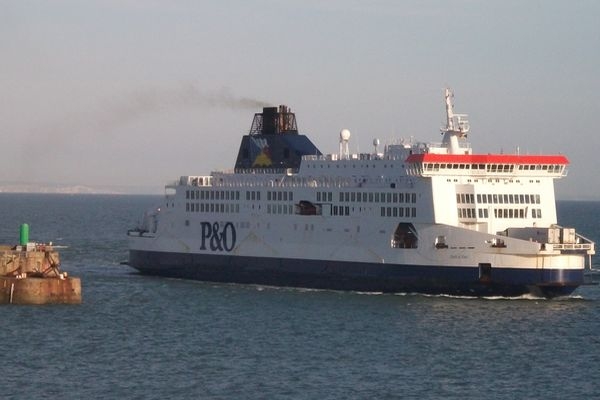
Ferry operators using the English Channel intend to implement surcharges on freight and passenger transport to compensate for the increase in fuel costs caused by the introduction of the Sulphur Directive.
All ships operating in ECA (Emission Control Area) zones, which include the English Channel, will have to reduce the sulphur content in the fuels used from the current 1% to 0.1% starting January 1st. Carriers can switch to low-sulphur fuel (which is significantly more expensive) or use alternative power methods such as LNG or scrubbers. Alternative methods require costly investments in fleet retrofitting or the construction of new vessels.
P&O Ferries estimates that the new regulations will increase fuel costs by 30 million pounds per year. The operator will have to pass some of these costs on to customers. A spokesperson for P&O Ferries announced that the company has adopted a “fair share” principle. The carrier has not yet disclosed the specific amount of the surcharges. Fuel costs typically account for about one-third of the total operating costs of ferry companies, and the switch to clean fuel could increase the share of fuel costs to 50-60%. It is widely believed that surcharges related to low-sulphur fuel will not be considered collectively for all services but will be calculated for individual routes. The Sulphur Directive also forces carriers to close unprofitable connections. DFDS has already closed the Le Havre-Portsmouth route. The operator emphasizes that a number of other connections are also at risk.
Some predictions suggest that the increase in fuel costs resulting from European Union regulations could lead to a return of freight transport to road transport on some routes. However, it is estimated that the return to road transport will be a short-term trend, and in the long term, the growth of transport in maritime and rail sectors will be greater than in road transport.