









The efficiency of beverage supply chains is most often perceived in the context of cost optimization. This boils down to reducing transport costs or maximizing the load capacity of trucks or containers. However, the instability of global supply chains observed in recent years, especially in maritime transport, shows that limiting oneself only to cost reduction is no longer enough. What is important for supply chain optimization today? Experts from Hillebrand Gori, a global logistics service provider for the beverage industry, comment.
A comprehensive approach
As Hillebrand Gori experts emphasize, for effective supply chain optimization, it is crucial to set goals for each of its stages. This applies to efficiency, for example, minimizing transport costs, managing inventory and working capital, product availability and quality, sustainability and carbon footprint, as well as resilience and flexibility. These can often conflict with each other. For example, focusing on transport efficiency can lead to increased inventory or a larger carbon footprint. Only a comprehensive approach allows for real benefits for the company.
Different approaches to cost minimization
Various solutions are used in the pursuit of greater supply chain efficiency. For example, many wine importers prefer to purchase full containers from a single supplier, as this involves the lowest transport costs per unit/case. However, on the other hand, as Hillebrand Gori experts note, this leads to higher inventory levels, which in turn requires more working capital. There are also importers who buy smaller quantities of goods from suppliers, using LCL (less-than-container load) or cargo consolidation. Although this reduces inventory levels and requires less financial outlay, it can simultaneously increase transport costs.
Another example is container loading. Some importers decide to transport alcoholic beverages in bulk, in a 20-foot container. This allows for the maximum number of cases to be loaded into the container without the use of pallets, which allows for the lowest freight costs per unit. Often, however, manual handling during loading and unloading is not taken into account, which can be reduced by automating these tasks using, for example, slipsheets.
Optimization through inventory management and product availability
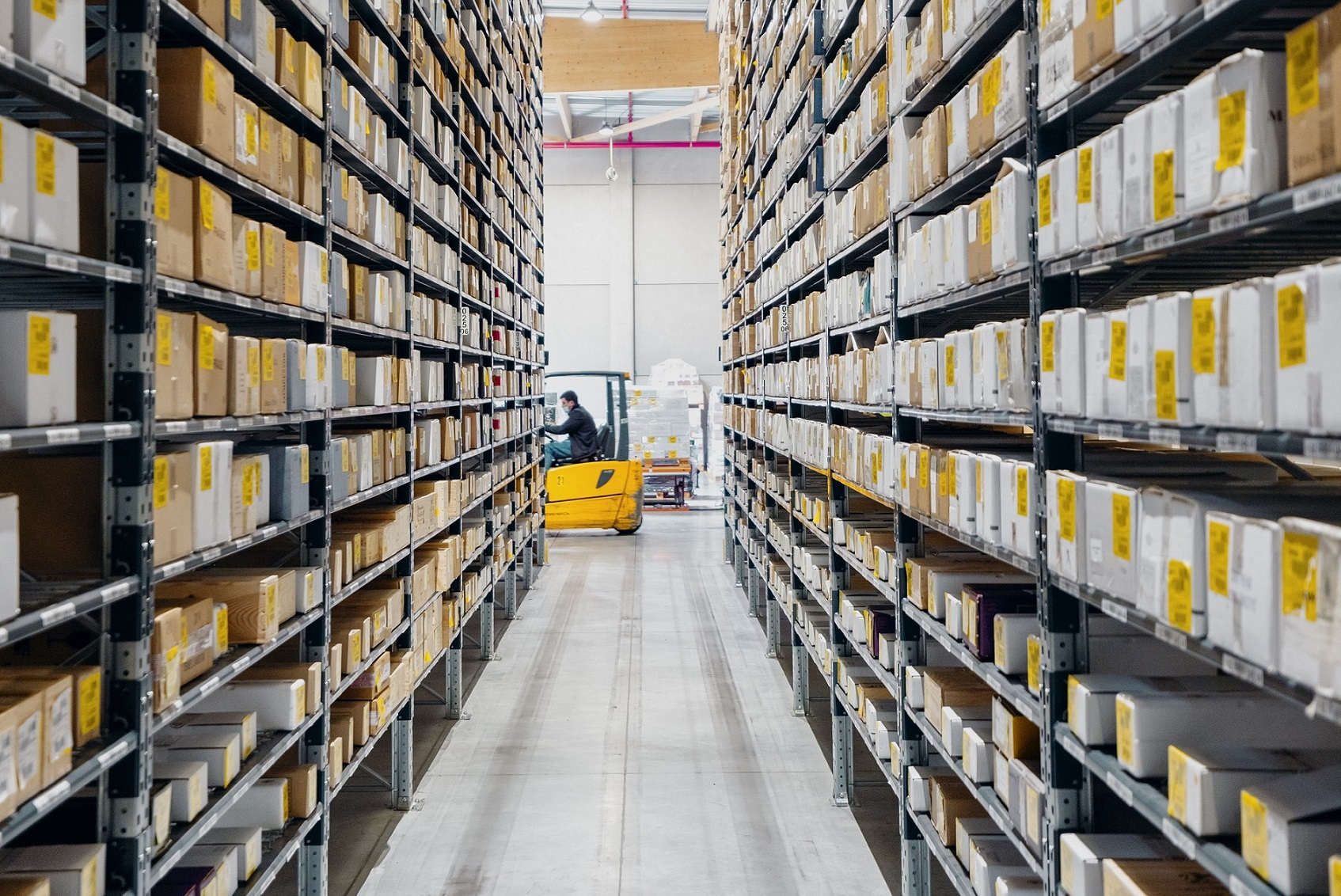
Product availability on store shelves is crucial for sales, but maintaining the right level of inventory is equally important. Excessive inventory freezes working capital and increases the risk of product expiration. As Hillebrand Gori experts emphasize, when optimizing the supply chain, one must therefore pay attention to balancing inventory levels in relation to costs and product supply on the market.
Maintaining product quality in the supply chain
Another critical area of optimization is maintaining cargo quality, especially for those sensitive to transport conditions, such as wine. Therefore, it must be decided whether constant temperature control should be maintained throughout the supply chain, using reefers or temperature-controlled warehouses. An alternative can be insulated warehouses and transport using thermal liners.
Optimization at the design stage
Global supply chain management is a complex process that must take many aspects into account. Challenges cannot be solved in isolation; they require cooperation with trading partners, customers, and service providers. Supply chain optimization begins with careful design.
First and foremost, it is important to identify the right partners, such as suppliers who meet specific criteria. Next, choosing the most effective mode of transport and the appropriate means and routes, taking CO2 emissions into account, as well as establishing alternative transport solutions, ensures operational continuity in the event of disruptions. As Hillebrand Gori experts point out, it is also necessary to choose the location of buffer stocks, in the country of export and import, which minimizes the risk of supply interruptions. When designing supply chains, one should include the identification of raw material sources and an assessment of the possibilities for supporting suppliers, including maintaining inventory, as well as establishing rules of cooperation between importers, producers, customers, and service providers. Finally, it is important to define the scope of information shared and select the technologies that support these processes.
 – Thanks to our many years of experience and knowledge in managing supply chains for beverages, we prepare solutions that meet the requirements of both recipients and suppliers. The foundation is close cooperation with each party – producers, importers, distributors, and service providers at every stage, from planning to execution. Our global network of offices and warehouses, located in strategic production regions, combined with the knowledge and experience of our team, provides full support, guaranteeing the smooth and efficient functioning of logistics operations – concludes Olga Kołakowska, Country Manager Hillebrand Gori Poland.
Source: Hillebrand Gori