








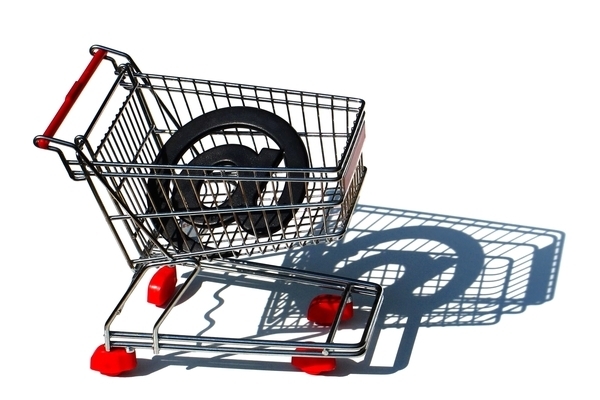
The Internet is currently the most popular tool for searching for information in various areas of life. It is also used for sending messages via email accounts, chatting, making electronic payments, etc. Such great popularity of this form of communication and a significant increase in universal access to the Internet was quickly noticed and used by entrepreneurs as another channel for concluding transactions – buying and selling.
According to the classification proposed by the Central Statistical Office (GUS), this type of trade exchange is called e-commerce and includes transactions that are made through networks based on the IP protocol. Goods and services are ordered in direct mode (on-line), while delivery and payment can take place on-line or off-line. It should be noted that orders placed by phone, fax, or via email are not included in e-commerce.
The e-commerce market in Poland is developing and changing very dynamically. This is related both to the aforementioned increase in Internet accessibility and to the increase in trust in carrying out virtual transactions. Until recently, e-commerce was identified with purchases made in online stores by private individuals, and companies conducting this type of activity mainly belonged to the group of micro and small enterprises. The range of assortments that can currently be purchased via the Internet is also constantly increasing. According to the E-commerce report, it is now possible to order both services (e.g., purchasing a tourist trip, booking a hotel room) and a wide range of goods, from those available in traditional bookstores, clothing, footwear, and jewelry stores, to specialized ones, such as medicines, consumer electronics and home appliances, etc.
The next step in the development of the e-commerce market is the transfer of the purchasing habits of Internet users from the sphere of private life to the level of enterprises that they run or work in. A typical example is micro-enterprises (1-2 people) dealing with, for example, home installation assembly, interior finishing, etc. This trend was very quickly noticed by companies distributing various materials and devices used during the aforementioned assembly work. Consequently, alongside the traditional distribution channel via wholesalers and industry stores, where the customer makes purchases in person or orders goods based on manufacturer catalogs, distributors are opening their own e-stores.
In the initial phase of launching a new sales channel by distributors, only assortments whose dimensions allowed for organizing delivery via a courier company were sold. In the next step, to meet customer requirements, decisions were made to expand the range of assortments sold via e-stores, which consequently led to a significant increase in costs associated with handling warehouse processes and transport. Distributors, observing the growth of sales in the e-commerce area, began to think about reorganizing the distribution processes of goods purchased through this sales channel.
The article contains 29,770 characters.
Source: Logistyka Magazine