








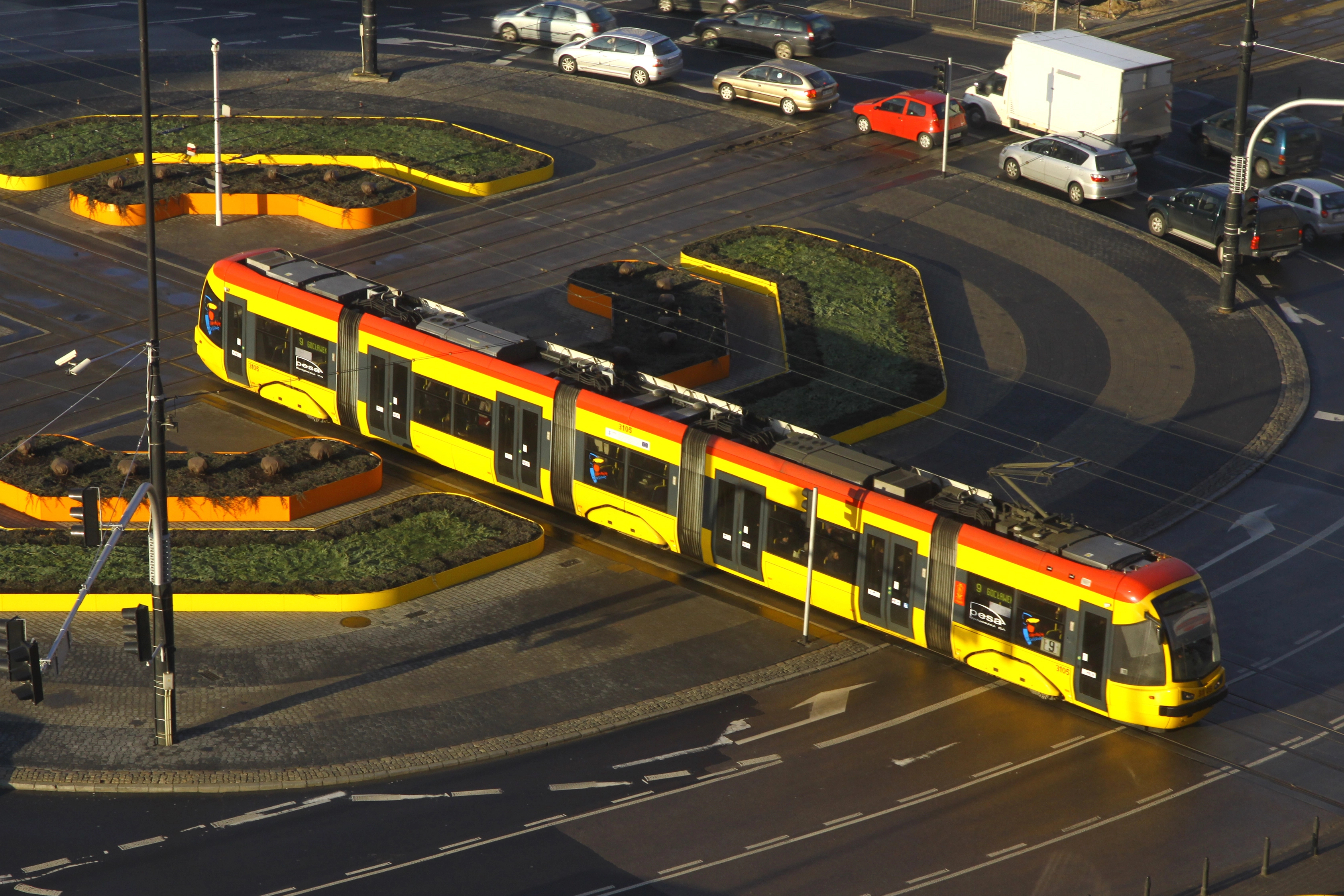
PLN 1 billion – this is the amount allocated to support urban rail projects under the European Funds for Infrastructure, Climate, Environment 2021-2027 (FEnIKS) program. The initiative appears to be an opportunity for the largest Polish cities, which are already actively developing their public transport systems. However, the construction of new infrastructure in this area poses a major logistical challenge – especially in terms of security.
Public transport modes, such as trams, buses, and trains, are very popular in Poland. Data from KRD BIG S.A. shows that 86% of Poles use public transport if it is available where they live, work, or study, effectively improving their daily lives. However, for many Poles, such amenities remain unavailable. According to UNICEF estimates, 15 million people in our country face transport exclusion. New investments in public transport infrastructure offer hope that the situation will systematically improve – but to succeed in this area, local governments must be sure that these projects will be implemented without delays.
Transport revolutions in Polish cities
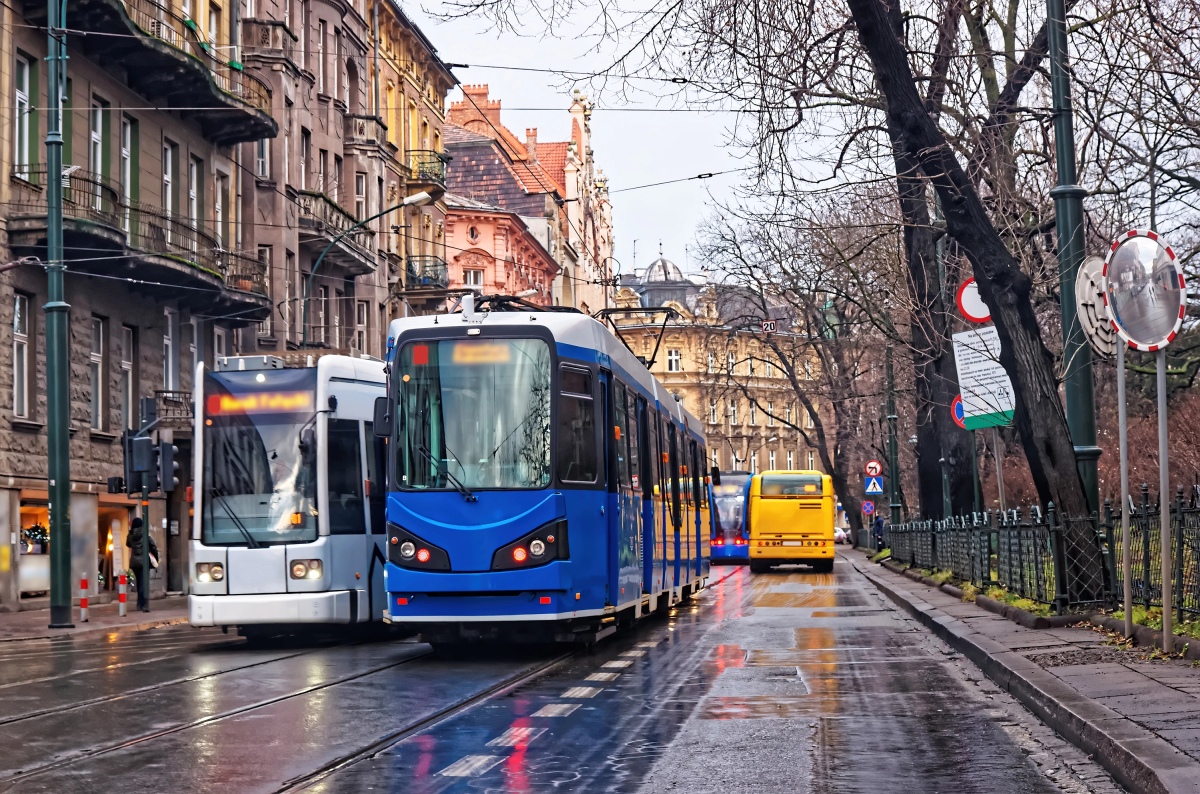
The current emphasis on public transport is clearly visible in the continuous expansion of tram networks in some large cities in Poland. For example, in Krakow, the development of the Krakow Fast Tram (KST) is underway – a long-term project aimed at creating a fast and efficient public transport network in the city. The system is designed to combine the advantages of traditional trams and subways. It will be equipped with grade-separated tram tracks or specially designated tracks with priority at intersections, ensuring a smooth and uninterrupted journey through the city.
A comprehensive plan for the development of the tram network has also been proposed in Wroclaw. The new Wroclaw Tram Program, announced in 2024, includes nearly 40 different improvement proposals, including several highly anticipated tram connections – and 6 projects are already underway[1]. An impressive investment is also being built in Lodz, where a cross-city tunnel is under construction, which will connect key railway stations in the city. The project will radically improve and transform the urban infrastructure in the city, creating new transport opportunities not only for the residents of Lodz but also for the inhabitants of the entire region.
Development challenges
Investing in the development of public transport infrastructure, while crucial for urban growth, comes with many challenges, especially in terms of security. Projects implemented on such a large scale, like the development of tram networks or the construction of new railway lines, quickly become vulnerable to various types of criminal activity. Construction sites for such investments often cover vast areas and contain valuable equipment and materials, making them attractive targets for theft and vandalism. Unauthorized access to these sites can lead to significant damage – potential vandals can destroy newly installed components, and thieves can steal expensive machinery and materials. Such incidents can lead to serious disruption of the construction schedule, causing delays that affect the entire project.
The consequences of security breaches go beyond direct financial losses and project delays. When construction is delayed due to theft or vandalism, the entire community feels the effects. Residents eagerly awaiting new public transport options may be frustrated by extended deadlines, especially if the project was intended to alleviate existing transport challenges. Moreover, frequent delays can undermine the trust of investors and stakeholders, who are crucial to the success of such large infrastructure projects. A perceived lack of security and effective project management can lead to reduced investment in future initiatives, ultimately slowing the progress of necessary urban development.
– The process of building key urban infrastructure, such as a tram network, poses a serious security challenge due to the vast area of the construction site. Furthermore, because of the location of construction in urban, densely populated areas, such investments are particularly vulnerable to theft and vandalism. To effectively meet the security challenges that arise during the development of public transport infrastructure, authorities need robust solutions tailored to the specific needs of large construction projects. BauWatch systems provide 24/7 monitoring, ensuring that every corner of the construction site is under constant surveillance – comments Aleksander Wilczewski, Managing Director of BauWatch Poland.
Round-the-clock protection
The ability to provide continuous monitoring is crucial for deterring potential criminal activity, as the presence of visible security measures significantly reduces the likelihood of theft and vandalism. In the case of BauWatch security measures, such solutions are achieved through AI-based monitoring. Being online 24/7, it keeps a constant, vigilant eye, quickly identifying and responding to any potential threats. Such systems can detect unusual activity or unauthorized access in real-time, triggering immediate alerts that allow for rapid intervention.
Adaptability is another essential feature of security systems for urban construction sites – dynamic environments where the layout and areas of interest often change as work progresses. BauWatch mobile monitoring towers allow for flexible security configurations. They can be easily moved to cover high-risk zones as needed, ensuring that protection is always focused where it is most needed. This flexibility not only increases the effectiveness of security measures but also provides developers with peace of mind that their assets are protected at all stages of the project.
In summary, increasing the level of security can significantly streamline the infrastructure development process in cities.
– A proactive approach not only prevents incidents before they escalate but also demonstrates a commitment to protecting both the physical location and the project schedule. Thanks to comprehensive BauWatch security solutions, cities can continue to invest in public transport with confidence, knowing that the infrastructure is being developed in a secure environment – emphasizes Aleksander Wilczewski.
Source: BauWatch