








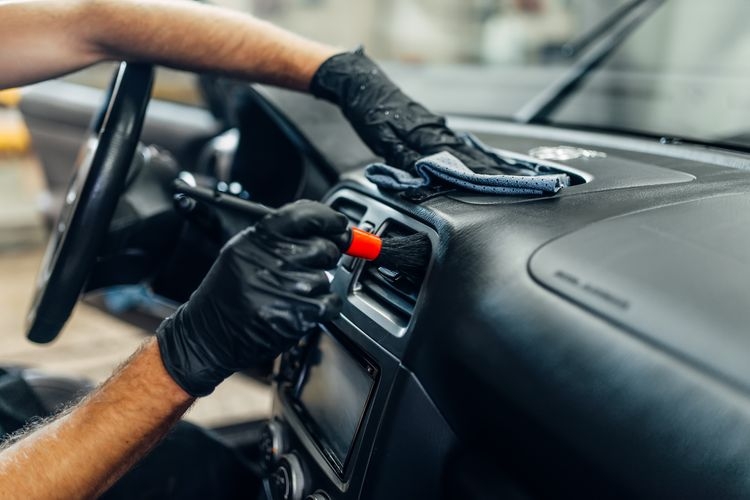
Car detailing is much more than a standard car wash – it is an art of comprehensive care that restores shine and provides long-lasting protection for the vehicle. From precise paint polishing to interior care and the use of specialized tools, detailing increases the car’s value and comfort of use. Learn about the benefits of professional car care and how to avoid the most common mistakes in this process.
What is car detailing and what are its benefits?
Car detailing is a comprehensive process that includes thorough washing, polishing, and maintenance of both the exterior and interior parts of the vehicle. Its main goal is to restore the car’s shine and protect it from harmful factors such as UV radiation or contaminants. The benefits of detailing are numerous. First and foremost, it improves the car’s appearance and increases its market value. Regular maintenance extends the durability of the paint and interior, keeping the car looking excellent for a long time. Additionally, detailing improves travel comfort by keeping the vehicle’s interior clean. It also protects against corrosion and daily wear and tear, which translates into the car’s longevity as an investment.
What tools and products are key in professional detailing?
Professional detailing requires the use of specialized tools and top-quality products to achieve optimal results. Essential accessories include delicate microfiber mitts and sponges, which effectively minimize the risk of paint scratches, which is significant for the car’s appearance. During washing, professional pH-neutral car shampoos are used, which remove dirt without harming the paint. For stubborn stains, such as tar or resin, detailing clay is used to gently clean the surface.
Polishing is another important part of the detailing process. It requires the use of polishing machines and compounds with varying degrees of abrasiveness, appropriately selected for the condition of the bodywork. After polishing, it is worth applying protective agents, such as waxes, sealants, or ceramic coatings, which protect against the harmful effects of atmospheric and mechanical factors. The vehicle’s interior also needs proper care. Specialized car upholstery cleaning agents, leather and plastic cleaners, and vacuum cleaners with various attachments for hard-to-reach places are used. Detailing also involves the use of specialized car cosmetics and cleaning preparations, such as insect removers. High-quality products are key to achieving durable and aesthetic results in vehicle care.
How is thorough washing and decontamination of the car performed?
Careful maintenance and cleaning of a car require attention and the right tools. The two-bucket method is essential here. One bucket should contain a mixture of water and shampoo, while the other contains clean water for rinsing the mitt or sponge, which prevents dirt from being transferred to the bodywork during washing. It is recommended to use microfiber or natural bristle mitts, which are gentle on the paint.
The process begins by washing the upper part of the vehicle, gradually moving downwards to avoid dirtying previously cleaned surfaces. After this step, we proceed to decontamination. To remove tougher contaminants, such as tar, resin, or metallic particles, detailing clay is used in combination with a special lubricant. Then, the car must be thoroughly rinsed and dried with delicate microfiber towels, which prevents streaks and spots on the paint. This entire process prepares the vehicle’s surface for subsequent stages of detailing, such as polishing or protecting the paint with specialized protective agents.
What does polishing and protecting car paint provide?
Polishing car paint plays an important role in restoring its attractive appearance. Thanks to it, minor scratches, dullness, and signs of oxidation can be removed, resulting in a deep shine of the bodywork. Using appropriate polishers and compounds of varying grit allows for smoothing the surface and eliminating imperfections. After polishing, it is worth protecting the paint to ensure long-lasting protection.
Reaching for car cosmetics such as waxes, sealants, or ceramic coatings significantly extends the effects achieved during polishing. Waxes add shine, although they are not very durable. On the other hand, sealants offer better protection against dirt and the influence of weather conditions. A ceramic coating creates a durable barrier protecting against UV radiation and minor damage. Thanks to these treatments, the paint remains protected for a longer time, and keeping the car clean is much easier, which long-term affects its aesthetics. Regular paint maintenance also has a positive impact on the car’s value on the secondary market. Polishing combined with proper protection is an effective way to keep the vehicle in excellent condition and appearance.
How to take care of the vehicle’s interior during detailing?
A well-maintained car interior significantly increases its comfort and market value. The interior detailing process begins with careful vacuuming of the upholstery, floor mats, and hard-to-reach places. Removing loose items facilitates this task.
The next stage is upholstery cleaning, which allows for the removal of stains and unpleasant odors using material-safe agents.
Cleaning plastic elements requires the use of special preparations that protect surfaces against dulling and cracking. For leather upholstery, it is crucial to use moisturizing and impregnating agents, which extends its lifespan and preserves its aesthetic appearance. Leather care includes applying preparations that protect it from fading. Regular interior cleaning helps maintain hygiene and also removes odors through ozonation. Ozonation effectively eliminates bacteria, viruses, and unpleasant odors, improving the driving experience. Impregnation of leather elements provides protection against harmful external factors. Preservative agents guarantee their long-term durability. Thanks to these treatments, interior cleaning becomes more effective, and the comfort of use increases significantly.