








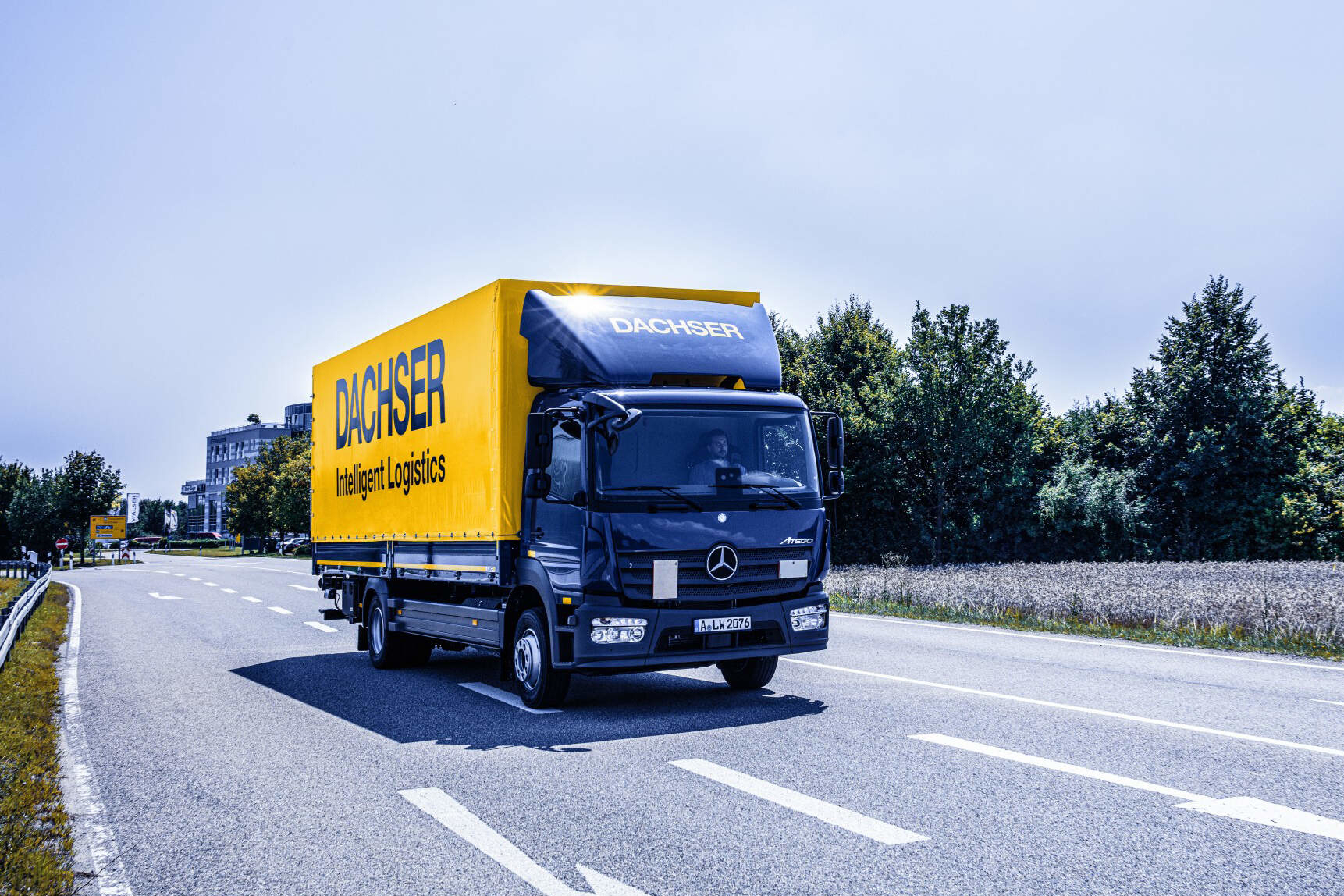
According to the latest data from Statistics Poland (GUS) for the first half of 2024, the situation for Polish fertilizer producers is finally improving. After an exceptionally severe decline in sales in recent years, Polish fertilizers are once again reaching farmers both domestically and abroad. At this stage, safe and compliant transport plays a key role. Although most fertilizers are neutral and relatively safe to transport, some, especially those containing ammonium nitrate, are classified as dangerous goods and are subject to strict regulations regarding their carriage.
We can distinguish several basic types of fertilizers that differ in their nutrients and their effect on the soil; these include nitrogen, phosphorus, potassium, calcium, and magnesium fertilizers. Fertilizers considered dangerous in transport include mineral fertilizers based on ammonium nitrate with a nitrogen content above 28%, such as ammonium nitrate, classified as Class 5.1 “Oxidizing substances”. The UN number for these materials is 2067. The transport of such fertilizers must comply with the European Agreement concerning the International Carriage of Dangerous Goods by Road (ADR), which specifies detailed requirements for the carriage of these goods.
Better safe than sorry: how to transport fertilizers?
Identifying the fertilizer classification: First of all, you should check whether a given fertilizer has been classified as ADR. To do this, look for a 10×10 cm yellow label on the packaging and the inscription UN 2067 or another preceded by the letters UN. The exact classification of the goods can also be checked in section 14 of the safety data sheet.
Choosing the right means of transport: The vehicle should be equipped with fire-fighting equipment, emergency equipment, and personal protective equipment, and marked with reflective orange plates at the front and rear. Specific guidelines also apply to the driver handling this type of cargo. According to the regulations, they must be at least 21 years old and hold an ADR certificate confirming completion of a training course for drivers transporting dangerous goods.
Using appropriate packaging: Packaging must be certified and labeled in accordance with ADR regulations.
Transport documentation: The driver must carry transport documentation prepared in accordance with the ADR agreement.

– Safe transport of fertilizers requires special caution and adherence to specific procedures. Before loading, check that the cargo space is dry and clean, and that the hatches are sealed. The cargo should be covered with tarpaulins to protect it from precipitation. It is also important to avoid material spills during loading and unloading. In case of cargo damage, use the safety data sheet and follow its guidelines, e.g., collect spilled fertilizers as soon as possible and, in the event of an environmental threat, follow the regulations in force in the given country – emphasizes Ewelina Staszewska Kobiela, Business Development Manager at DACHSER Chem Logistics Poland.
Who are the 1.1.3.1. and 1.1.3.6. exemptions for?
In some cases, when transporting small quantities of fertilizers, you can use the 1.1.3.1. exemption. However, this only applies to dedicated transport where there are no other dangerous goods on the vehicle. An example is transport by a farmer from a farm to a field or from a point of sale to a field for the purpose of spreading fertilizers in packages no larger than 450 liters and quantities up to 1000 kg. Such transport can be described as auxiliary to agricultural activities, which does not require certified packaging or a specialized means of transport with a trained driver.
It is worth remembering, however, that this exemption cannot be used when the transport is for “supply or internal and external distribution,” e.g., on the route between a point of sale and a farm. In that case, another exemption, 1.1.3.6., applies. Although this exemption releases the carrier from some requirements, the shipments must still be labeled, certified packaging must be used, the vehicle must be equipped with an additional 2 kg fire extinguisher, and transport documentation must be prepared.
Transport of ADR goods
The transport of fertilizers exceeding 1000 points requires full application of ADR regulations. When buying fertilizers, you should require the seller to deliver them via specialized transport – either their own or hired. The carrier must meet all requirements regarding labeling, vehicle equipment, driver training, and the appointment of a DGSA advisor.
– DACHSER has created a solution dedicated to the chemical industry, DACHSER Chem Logistics, specializing, among other things, in the transport of dangerous goods. The company has the knowledge and experience in transporting fertilizers classified as dangerous goods. This solution offers comprehensive service, including both consulting and the execution of transport in accordance with ADR requirements – emphasizes Ewelina Staszewska Kobiela, Business Development Manager at DACHSER Chem Logistics Poland.
The transport of fertilizers, especially those classified as dangerous, requires diligence and compliance with specific regulations. Thanks to its knowledge and experience, DACHSER offers professional transport services, ensuring safety and compliance with applicable regulations. When transporting fertilizers, it is worth using the services of specialists to ensure safe and efficient transport, minimizing the risks associated with the carriage of these materials.
Source: Dachser