









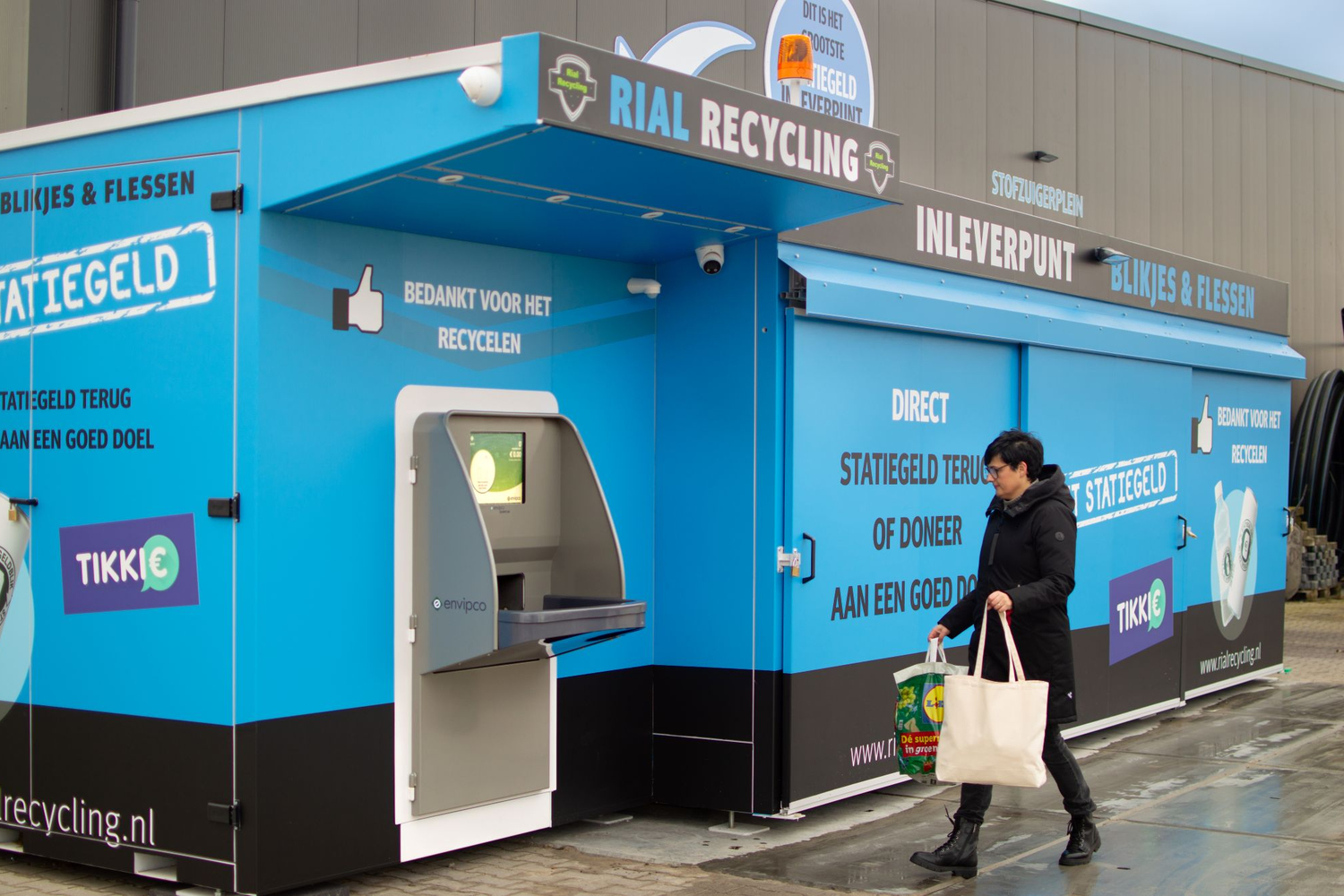
A Minds & Roses study conducted for Mastercard shows that 85% of Poles consider reverse vending machines located in front of stores a convenient way to return packaging, and more than half would like to have such devices in residential areas as well. These results indicate the direction of change. For consumers, it is not just about the possibility of recovering the deposit, but above all about easy access to a return point that fits into their daily routes and habits.
The deposit system has shown that its efficiency depends not only on the number of return points but also on how they are distributed and integrated into consumers’ daily habits. Currently, the vast majority of returns take place in stores, which remain the primary link in the entire system. At the same time, there is a discussion about developing supplementary infrastructure, including return points operating outside of retail spaces.
Such solutions are only just beginning to appear on the Polish market, but experiences from other countries show that they can be a valuable complement to the store network. Points located at parking lots, shopping centers, residential areas, or other publicly accessible places allow for increasing the system’s accessibility without the need to expand space inside retail outlets. They do not replace stores, but can take over part of the return handling where it is justified by location and traffic volume.
This is a direction that stems primarily from changing consumer expectations. Returning packaging should be simple and possible to do during daily activities, regardless of whether it involves shopping. The easier it is to incorporate this activity into a daily routine, the greater the chance of maintaining a high level of participation in the system – says Rafał Staniszewski, Business Development Manager at Envipco Poland.
The development of such points, however, requires appropriately prepared technology. Devices operating outside the store must be resistant to intensive use and changing weather conditions, while at the same time ensuring efficient identification of various types of packaging and integration with settlement systems. Equally important are remote monitoring, ongoing diagnostics, and the ability to respond quickly to service needs, which allow for maintaining high device availability.
Logistics remains no less important. The return point is only the beginning of a process whose goal is the effective preparation of packaging for transport and recycling. Therefore, modern solutions include not only accepting the packaging but also its proper sorting, compaction, and preparation for further circulation – adds Rafał Staniszewski.
The development of the system is based on finding an optimal balance between the network of points operating in stores and external infrastructure. Retail remains the foundation of the entire solution, while additional locations can increase its accessibility and convenience where it brings the greatest benefits to consumers and operators.