









The commercial real estate market in Poland enters 2026 in good condition and with growth potential. Warehouses maintain their position as one of the strongest sectors in Europe, and investors – despite greater caution – are not losing confidence in Poland.
The last dozen or so months have confirmed the lasting strengthening of Poland’s position in the European economy. “Exceeding 1 trillion dollars in GDP and joining the ranks of the most industrialized economies in the world is not only a symbolic milestone, but proof of the effectiveness of the transformation of the last decade. Today, Poland is no longer a catching-up market, but is actively co-shaping the direction of change in the region,” assures Piotr Kaszyński. The expert emphasizes that although the geopolitical location remains a constant element of analysis, investors and entrepreneurs also appreciate the regulatory stability, high quality of infrastructure, and access to qualified specialists in our country.
Warehouse market: the big six still rule
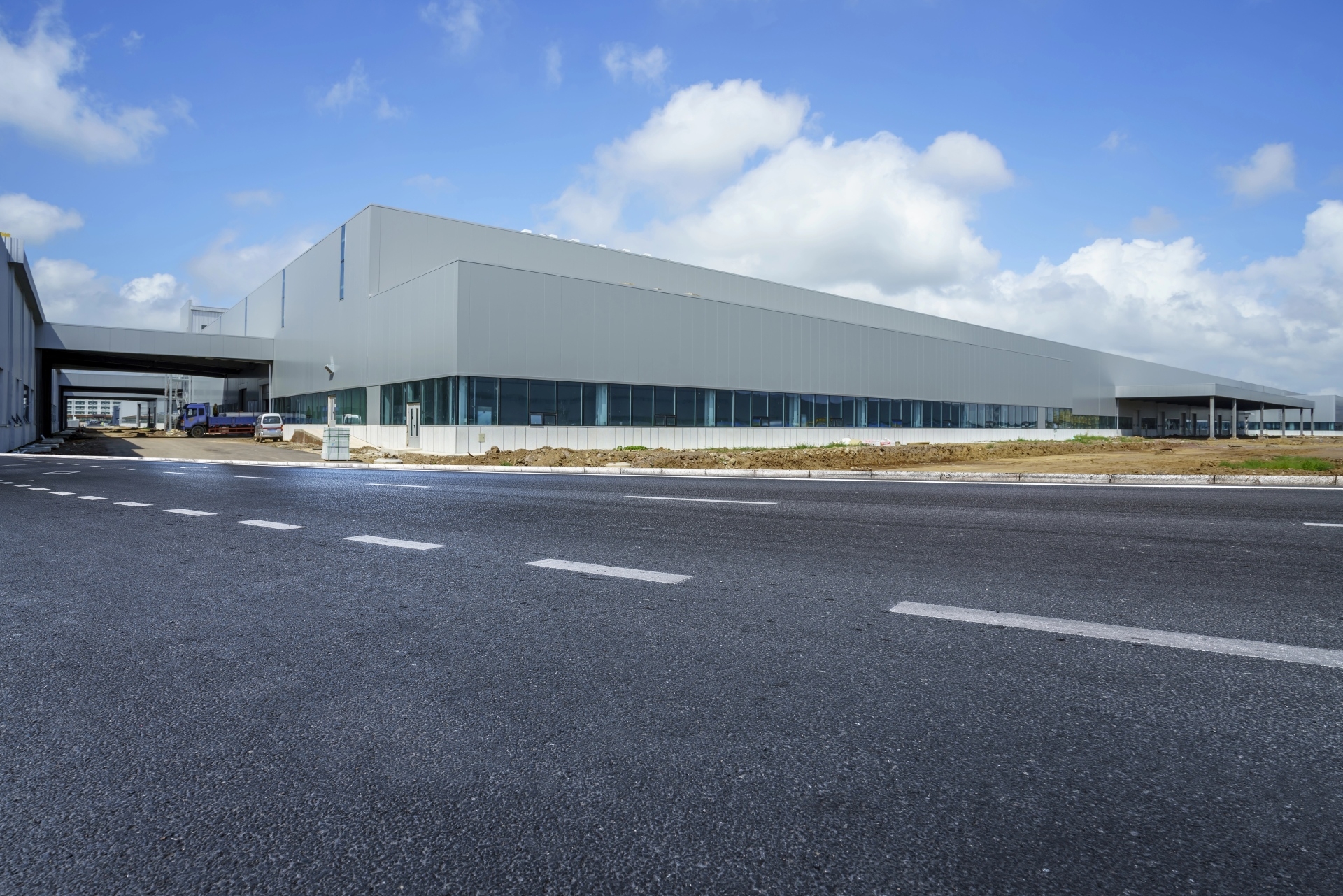
The Polish warehouse sector remains one of the key segments of the commercial real estate market and continues to attract the attention of international investors. Last year, developers maintained a stable pace of new project completions, increasing the total stock of modern warehouse space to approximately 37 million sqm by the end of 2025. Moreover, considering the volume of space under construction, Newmark Polska analysts expect that another 2 million sqm of new warehouses will enter the market this year.
The largest number of production and warehouse halls continued to be built in the following voivodeships: Mazowieckie, Pomorskie, Śląskie, and Dolnośląskie, and to a lesser extent in Łódzkie and Wielkopolskie – which together accounted for over 80 percent of new supply.
The advantage of these locations results not only from favorable positioning, good communication, and developed logistics, but also from access to qualified employees. The largest warehouse regions together create a comprehensive and diverse offer – from locations near large airports, through access to seaports, to the vicinity of the western border or industrial clusters. Thanks to this, companies with very different operational needs can find a place in Poland precisely tailored to their business, which further strengthens the stability of the entire market.
– emphasizes Piotr Kaszyński from Newmark Polska.
Stable demand for halls and fewer relocations
Greater caution was noticeable on the part of warehouse tenants. This contributed to a shift in the demand structure towards renegotiations, which accounted for more than half of all transactions last year. “Entrepreneurs analyzed locations and standards of new facilities more thoroughly, wanting to be sure that a relocation would indeed improve their company’s operational efficiency. Some tenants, whose operations do not require advanced solutions, decided to stay in older, less modern warehouses that still meet their needs. Another reason for extending existing contracts was the fear of losing some employees as a result of moving,” explains Piotr Kaszyński.
Despite the higher number of renegotiations, the Managing Partner of Newmark Polska assures that the market fundamentals remain solid. “The development of e-commerce, last-mile logistics, and the ongoing modernization of road, rail, and port infrastructure mean that total demand last year remained at an estimated level of about 6 million sqm, similar to the result of 2024. We expect that the need for warehouses will gradually increase this year. Developers, having prepared land, can respond to higher demand in a relatively short time, which should help maintain supply liquidity,” assures Kaszyński.
Cautious optimism based on facts
The Polish commercial real estate market ended 2025 in good condition and with a clearly defined direction of development.
The warehouse sector has maintained high activity and is now facing another wave of demand driven by e-commerce, production, and supply chain relocations. […] At the same time, investors – despite greater selectivity – perceive Poland as a stable and scalable market that may attract more capital again in 2026. Many signals indicate that 2026 will bring a gradual rebound, built on stable foundations rather than rapid growth – concludes Piotr Kaszyński, Managing Partner of Newmark Polska.
Source: Newmark Polska