








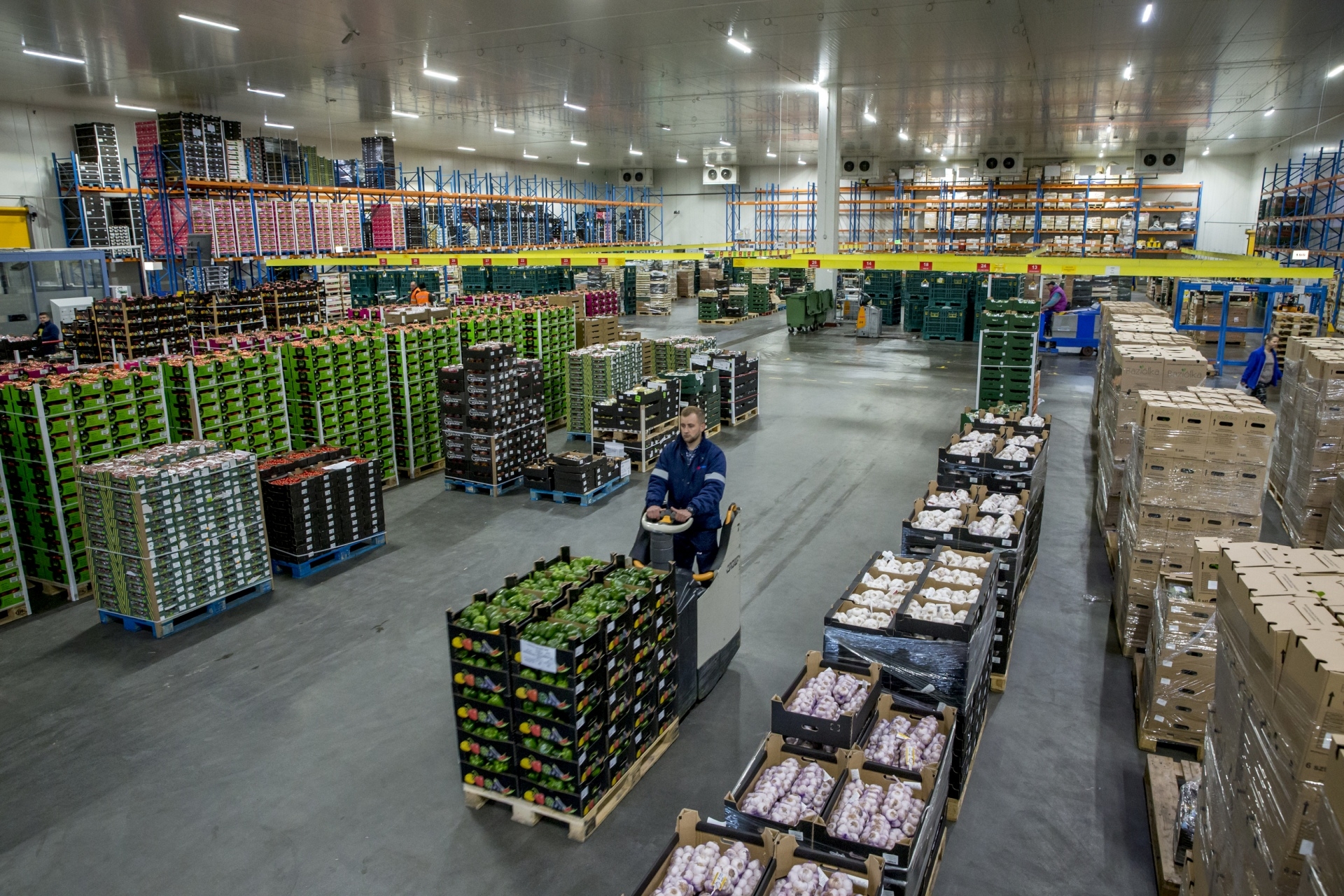
The logistics of fresh products, such as fruits, vegetables, meat, or fish, is one of the most demanding areas of the supply chain. A difference of 2°C can determine the success of an entire delivery, and thus the profit or loss of the producer. Meanwhile, according to the Poland Cold Chain Logistics Market report, the Polish cold chain logistics market will reach a value of nearly USD 3.3 billion in 2025 and will grow to almost USD 5.5 billion by 2030[1]. Such dynamic development shows how significant safety is in the transport and storage of fresh products. Here, every detail – from temperature to operation time – determines the producer’s success.
In fresh logistics, there is no room for compromise. The recipients of fresh products are primarily retail chains, hotels, restaurants, and catering companies. These entities expect “just in time” deliveries that fully comply with temperature regimes and hygiene regulations. Every degree Celsius or every hour of delay can mean losses. The professionalism of the logistics operator is key here, as specializing in these types of operations guarantees that the producer will not lose an entire batch of goods.
– says Natalia Szlaga, Head of the FM Fresh branch in Mszczonów.
Seasonality requires flexibility
One of the characteristic features of the fresh produce market is strong seasonality. In summer, the demand for fruits such as watermelons increases; before the December holidays, for citrus or fish; and before Easter, for eggs. Additionally, sales depend on weather factors: warm and sunny days generate an increase in consumption, while unfavorable weather leads to declines. The holiday season is an intensive period. For most of us, it means vacation time, but for entities such as hotels or the catering industry, it is a time of hard work and more frequent deliveries that must arrive safely and on time.
Such fluctuations require logistics operators to have good organization and great flexibility. Often, it is necessary to reorganize warehouse space, adjust racks to non-standard pallets, work night shifts, or manage sudden spikes in orders. The most important thing is that the entire process, from receiving the delivery, through sorting and repacking, to shipping, is completed within 12 hours.
Seasonal fruits are a significant challenge, among other things, due to the size of the pallets. Citrus fruits are brought in taller than standard ones, and watermelons in pallet boxes. This makes it necessary to change the height of the shelves on the racks, which are standardly adapted to the dimensions of a Euro pallet. Often, there is a need to reorganize the entire stock so that as many products as possible can fit in the warehouse, which, due to the short storage time, do not always end up on a rack.
– explains Natalia Szlaga from FM Logistic, specializing in the fresh segment.
Temperature – the boundary between success and failure
Strict thermal control is crucial for fresh product logistics. In the case of a hot summer, the challenge is to maintain the temperature both in the warehouse and in the vehicles. The fact that a deviation of just 2°C is enough for the entire cargo to be sent for disposal shows how important precision is here. That is why operators use advanced temperature monitoring systems, recorders, and alarm procedures.
Professionalism in this area also means full traceability – the ability to reconstruct the product’s delivery path, including the expiration date and origin. This is a standard required today by retail chains, hotels, and restaurants.
We are subject to the International Food Audit, which means that every time we must know exactly how many cartons left on a pallet, with what expiration date, from which supplier, and to which hall.
– adds Natalia Szlaga from FM Logistic.
Growing market requirements, seasonal fluctuations, and strict temperature standards make fresh product logistics an area where the role of a professional operator cannot be overestimated. Their task is not only timely delivery but, above all, ensuring the safety and integrity of products – so that producers can focus on business development rather than the risk of losses in transport.
[1] https://www.mordorintelligence.com/industry-reports/poland-cold-chain-logistics-market?utm
Source: Logistic Central Europe