









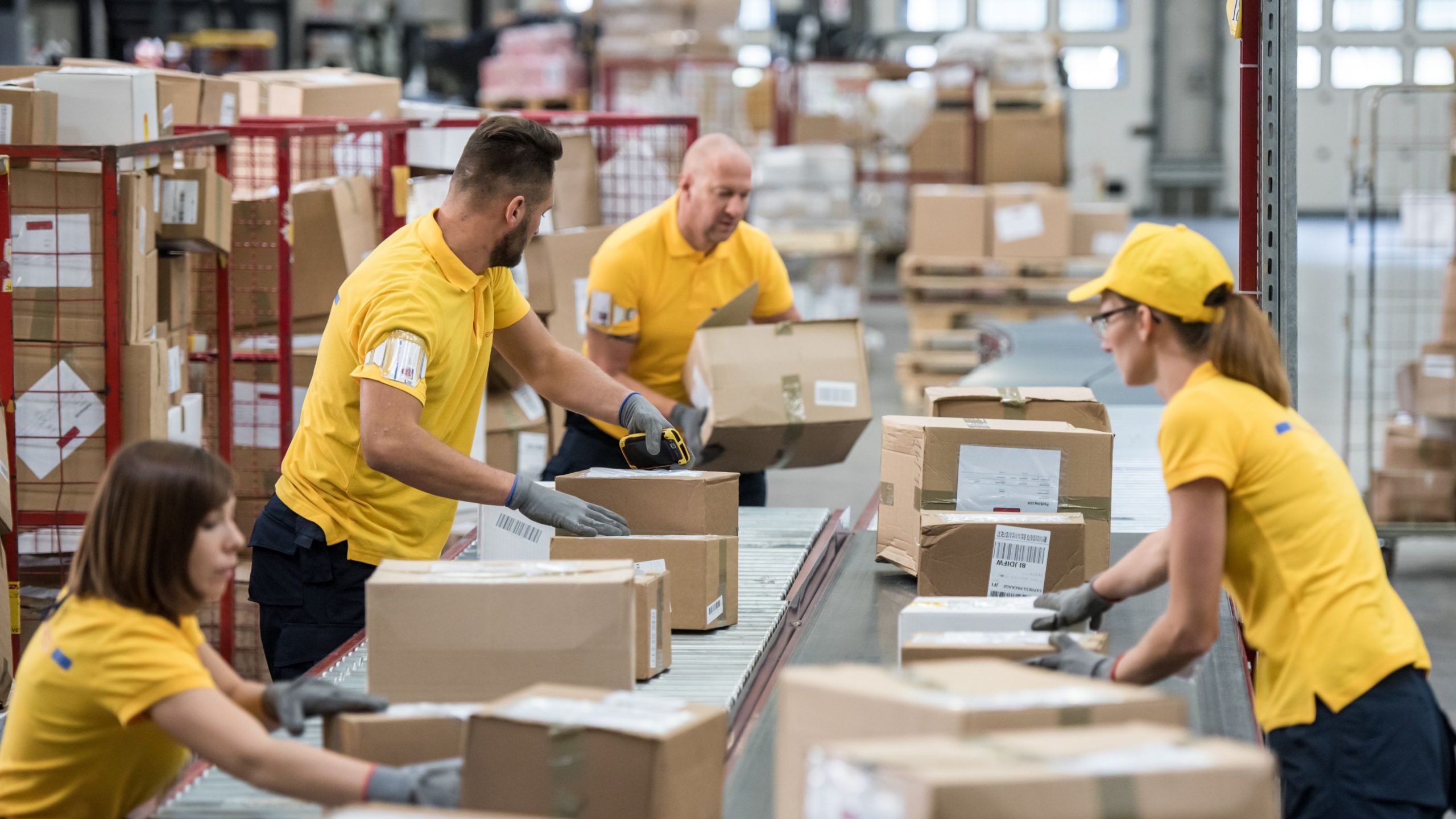
Up to 80% of current packaging may require redesigning to meet the new requirements of the EU’s PPWR regulation, according to Beyondly’s analysis. Meanwhile, the broad application of the new rules will begin as early as August 12, 2026. For companies, this means much more than just changing materials or labeling. PPWR will force a restructuring of logistics, procurement, and operational processes, as well as a new approach to packaging design across the entire e-commerce and logistics sectors.
PPWR changes the logic of the packaging market
PPWR (Packaging and Packaging Waste Regulation) is a new EU regulation concerning packaging and packaging waste, which replaces the previous directive. Unlike earlier regulations, it will apply directly in all EU countries, which means the unification of rules for the entire European market.
Although the regulations formally entered into force in February 2025, the key stage will begin on August 12, 2026, when most requirements will start to be applied broadly in practice. Further obligations and targets will be implemented in stages until 2030 and 2040.
The new regulations include the obligation to design packaging with recycling in mind, increase the share of recycled materials, limit unnecessary packaging and empty space in shipments, and develop reuse systems. They also introduce new rules for labeling and traceability of packaging, as well as extended producer responsibility (EPR).
One of the most noticeable requirements for the e-commerce industry will be the limit on empty space in transport packaging. From 2030, the empty space in parcels must be a maximum of 50%, which in practice means the need to better fit cartons to products and limit excessive protective materials.
The changes affect not only packaging manufacturers but also importers, distributors, e-commerce companies, and enterprises using packaging in logistics and sales. According to Beyondly’s analysis, up to 80% of current solutions may require a redesign to meet new requirements regarding recyclability and material minimization.
ESG ceases to be a declaration
PPWR is simultaneously another stage in the transition from declarative ESG to real, measurable environmental requirements. Companies increasingly have to analyze not only the cost of the packaging itself but also its impact on the carbon footprint, transport, recycling, or the level of environmental fees.
Specific data, such as recyclability, the share of recycled raw materials, or life cycle assessment (LCA), are becoming increasingly important. As Beyondly points out, up to 80% of a product’s environmental impact is determined at the design stage. This means that decisions made when creating packaging now directly affect both regulatory compliance and the company’s future operating costs.
The EU also assumes that by 2030, all packaging on the European market will be recyclable. Additionally, in the coming years, unified packaging labeling and digital solutions, such as QR codes containing information about material composition or disposal methods, will appear.
PPWR is no longer just a topic for compliance and sustainability departments. It is increasingly becoming a strategic issue that affects operating costs, logistics, and the way the entire supply chain is designed. Companies are already analyzing not only the price of packaging but also its impact on transport, warehousing, automation, and future environmental fees – says Jarosław Kamiński, Managing Director of RAJAPACK Poland.
The biggest challenge will be implementing the changes
For many organizations, the biggest problem may not be the interpretation of the regulations themselves, but the scale of operational changes that PPWR will force. Implementing new packaging solutions takes an average of up to two years and requires the cooperation of many departments simultaneously – from procurement and logistics to compliance and ESG.
Companies will have to conduct audits of their packaging portfolios, verify supplier compliance, adjust labeling, prepare new environmental data, and rebuild logistics processes. Warehouse automation is also becoming particularly important, as even small differences in packaging design can affect the efficiency of picking, packing, and transport processes.
PPWR also increases the importance of extended producer responsibility. In practice, this means that the design of the packaging, its weight, or its recyclability will increasingly influence the level of environmental costs incurred by companies.
Many organizations still treat PPWR mainly as a regulatory change, while its consequences will be much broader. The new regulations simultaneously affect packaging design, warehouse logistics, transport, and the organization of operational processes. Companies that start adapting too late may face not only the costs of redesign but also operational problems and limited availability of suitable materials.
– summarizes Jarosław Kamiński, Managing Director of RAJAPACK Poland.
Source: RAJA Group