








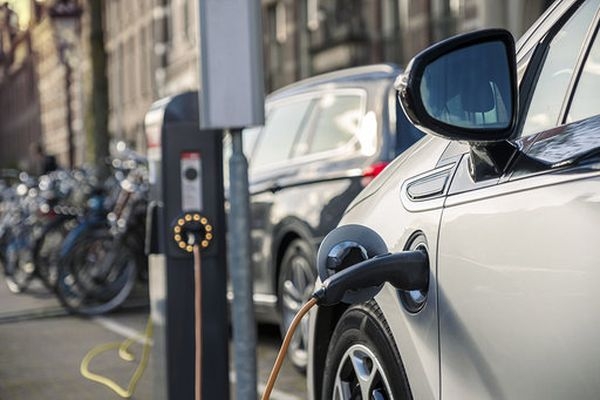
Copper is one of the key materials for the development of electromobility. Electric vehicles contain up to four times more of this raw material than cars with internal combustion engines. Copper is also used extensively in the infrastructure necessary for charging electric vehicles. Due to the development of the electromobility sector, global demand for copper will increase by 1.7 million tons by 2027, according to experts from the European Copper Institute.
A new injection of energy for the automotive industry
The electric car market is developing more and more dynamically. In the first half of 2018, 183,285 electric and hybrid vehicles were registered in the European Union and EFTA countries, which means an increase of 42.3% compared to the same period last year[1]. Even greater momentum can be observed in Poland. During the first six months of 2018, 672 electric cars appeared on our roads, which is 79.7% more than at the end of the second quarter of 2017. However, a significant acceleration of the current trend is expected in the coming years. According to the assumptions of the Strategy for Responsible Development, 1 million EV cars should be registered in Poland by 2025. In turn, by 2040, the share of electric cars, including plug-in hybrids, in the global automotive market may reach over 50% (currently it is about 1.3%) [2].
Among the reasons for the growing popularity of electric cars, one should point to the development of battery production technology, and consequently, the drop in EV prices. Despite the still relatively high prices of electric vehicles, their availability, measured in the long term of use, is improving. According to the forecast of the European Copper Institute, the total cost of ownership of an electric car will soon equal the cost of owning a gasoline-powered car after the first 60,000 km. This should happen before 2020. Experts expect that the equalization of purchase prices without subsidies will occur around 2025.
In the case of city buses or trucks, the electrification technology is as mature as for passenger cars, and the total cost of ownership of such EV vehicles is already lower than for internal combustion engine options. Due to high annual mileages, electric trucks offer greater savings, thus compensating for the higher investment outlay. Growing environmental requirements related to greenhouse gas emissions also play a major role in the development of the electric car market. Electrification of road transport is the most cost-effective way to achieve energy efficiency goals. Battery-powered electric vehicles are assets with an average service life of 15 years and 2.5 times greater energy efficiency than internal combustion engine (ICE) vehicles, and as the share of energy from renewable sources in electricity generation increases, this efficiency will continue to improve.
– The development of electromobility is also largely dependent on copper. This metal is widely used in the construction of modern, energy-efficient electric and hybrid motors. This is due to its properties. Copper is durable, has excellent electrical conductivity, and influences the performance and efficiency of electrical components. Without copper components, intelligent engine management and drivetrain control would also not be possible. Poland, as one of the world leaders in copper production, can play a special role in the development of the global electromobility market – comments Michał Ramczykowski, President of the European Copper Institute.
Brakes on electromobility
One of the key barriers to the widespread adoption of electric vehicles is the development of infrastructure for charging them. The European Commission, based on information received from member states, estimates that there are about 200,000 public charging stations in the EU. With the development of electromobility in mind, EU authorities anticipate supporting the expansion of this network to 800,000 points.
Creating adequate infrastructure is also a huge challenge facing Poland. Currently, there are only about 300 public charging points available in the country. Analyses conducted by the Electric Vehicle Promotion Foundation [3] show that in order to fully exploit the potential of the domestic market, it is necessary to build about 127,000 charging points (public and private) by 2020 and just under 1 million by 2025.
– The development of electromobility will entail the need to incur additional expenditures on the modernization of the entire energy network, which will have to cope with both higher demand for electricity and intense fluctuations in voltage frequency, and above all, ensure the possibility of energy storage. Electromobility can thus become a factor initiating a comprehensive transformation of Poland towards an economy based on renewable energy sources – points out Michał Ramczykowski.
Copper drives electromobility
Copper will also be necessary in the implementation of this process. This raw material, due to its properties, has widespread application in areas such as photovoltaics or wind energy, improving their overall economic efficiency. Copper is used, among other things, for the production of wires and cables, photovoltaic panels, and components of solar windmills (generators, grounding systems, cable connections). Technologies based on copper and its alloys increase energy efficiency in key areas – energy and industry. Due to the intensive development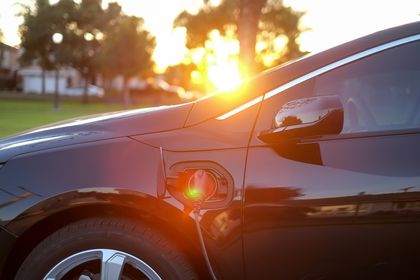 of the electromobility sector, global demand for copper will increase by 1.7 million tons by 2027.
Estimates by the European Copper Institute show that every kilogram of raw material used in the energy system, depending on the technology used, brings savings in originally generated energy of 500 to 50,000 kWh, lowering costs by 60 to 6,000 EUR at the EU level. Furthermore, by utilizing the excellent electrical conductivity of copper, it will be possible to reduce CO2 emissions in Europe by 100 million tons per year over the next 10-20 years.
Necessary systemic support
Access to infrastructure and strategic raw materials is still not enough for the electromobility market to reach its full potential. Accelerating growth dynamics will also require strong systemic support, going beyond standard subsidy programs or tax breaks.
One of the areas indicated by experts [4] is the introduction of dedicated tariffs by electricity suppliers, favoring users who charge EV vehicles outside peak network load hours, e.g., at night. Such solutions are already successfully used in the consumer market and allow for generating significant financial savings.
In the United States and Western Europe, initiatives aimed at redirecting surplus energy from photovoltaic farms and wind farms to vehicle charging stations at night are also becoming increasingly popular, thereby encouraging drivers to “refuel” electricity during off-peak hours.
These solutions, despite their great economic potential, should, however, be supported by educational activities aimed at electric car drivers. The vast majority of users use standard tariff plans, mainly due to a lack of appropriate knowledge regarding effective energy consumption management in their households and companies.
In the opinion of experts, it is also necessary to develop smart-grid-enabled electrical networks. This technology enables the optimization of energy efficiency based on data exchange between system participants – individual or fleet drivers, energy suppliers, charging point operators, electric car manufacturers, as well as local government institutions. The widespread adoption of such solutions, however, requires the development of uniform market standards at every point of contact between the involved entities.
[1] National Automobile Manufacturers’ Associations – 09.2018
[2] Deloitte “Powering the future of mobility”
[3] http://fppe.pl/wp-content/uploads/2018/03/Napędzamy-Polską-Przyszłość.pdf
[4] Deloitte “Powering the future of mobility”