








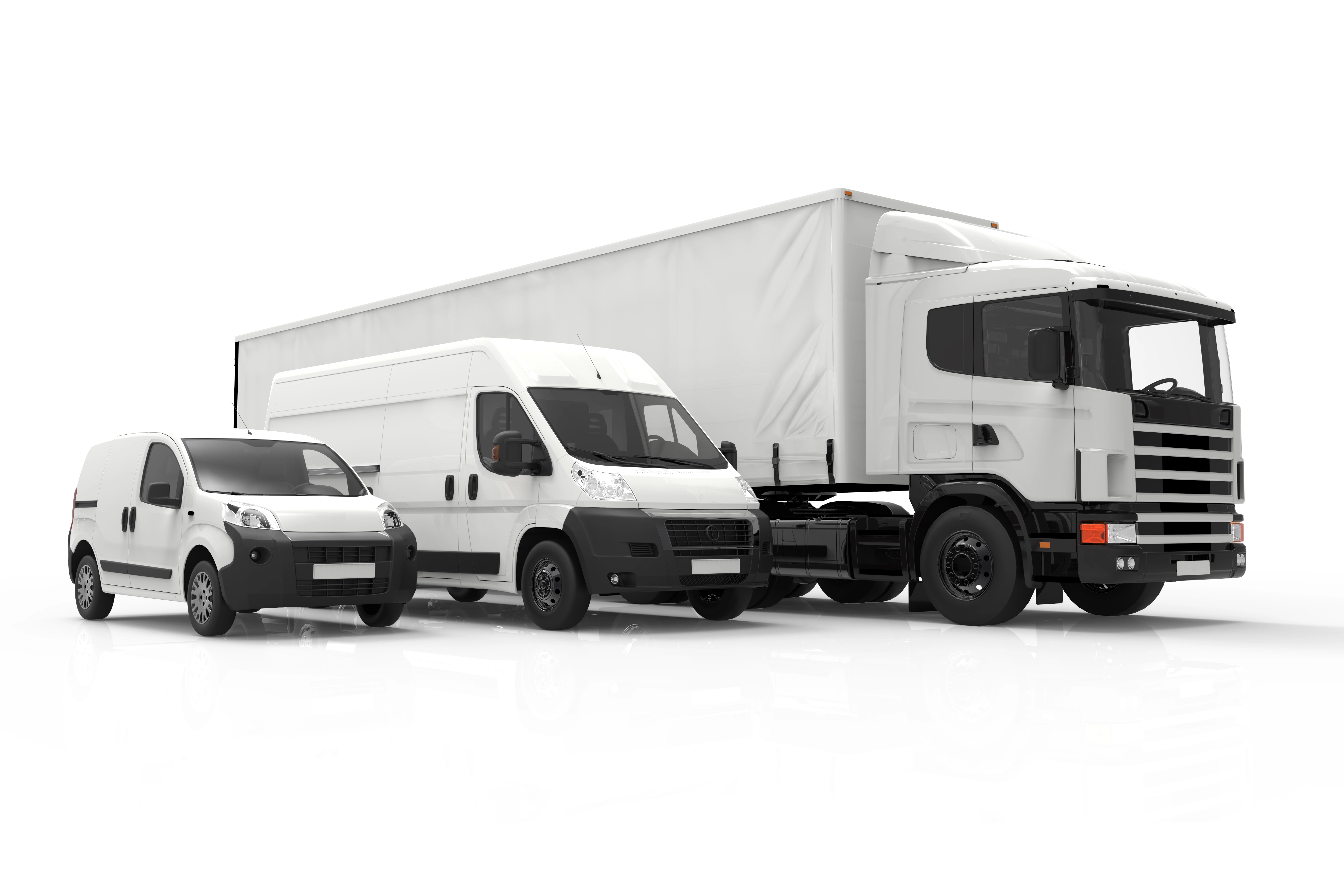
According to the “2024 Fleet Barometer” report, prepared by the Arval Mobility Observatory, light commercial vehicle (LCV) fleets in Polish companies are set to grow dynamically in the near future, in line with the expanding e-commerce market. Although market experts predict increased use of electric vehicles in the coming years, internal combustion engines still dominate the plans of Polish companies regarding the expansion of their commercial vehicle fleets.
Poland against the European backdrop: leaders in LCV fleet growth
The international Arval Mobility Observatory Fleet Barometer study shows that nearly 30% of surveyed companies in Poland have plans to expand their vehicle fleets over the next three years. We are ahead of most European countries in this respect. Demand will be particularly high for commercial vehicles – as many as 39% of companies using such vehicles intend to increase their numbers. In this category, Poland is second only to Greece (46%) and the United Kingdom (40%). The growth in the use of delivery vehicles in fleets is driven by the continuous development of online shopping and the e-grocery industry, which, according to McKinsey & Company forecasts in the publication “Built for Purpose: EV Adoption in Light Commercial Vehicle,” is expected to grow globally by approximately 7% annually until 2030.
– To increase operational efficiency and meet growing customer demands, Polish companies will increasingly rely on and invest in self-managed fleets of delivery vehicles. The Arval Mobility Observatory study shows that the main motivation for fleet expansion is currently company growth or a new line of business that requires an increased number of vehicles – says Rafał Tarnacki, Product & Innovations Manager, Arval Service Lease Polska.
The Fleet Barometer shows that the usage period for delivery vehicles remains stable in Poland. Companies use light commercial vehicles for an average of 6.3 years. This is longer than the European Union average, which is 5.7 years.
Internal combustion engines still dominate
Over the last decade, electric vehicles have become an integral part of the transport industry, partly due to the creation of so-called clean transport zones in the centers of large metropolises, as well as the need to reduce the costs of so-called last-mile deliveries. Among the reasons for implementing eLCVs most frequently cited by Polish entrepreneurs, economic factors dominate. Nearly 60% of respondents pointed to fuel cost reduction, and 25% emphasized that the total cost of ownership (TCO) is at a similar or lower level than in the case of combustion-engine vehicles. For slightly more than half of the respondents, reducing the negative environmental impact of the commercial vehicle fleet is important.
The results of the “Fleet Barometer” show that despite these significant advantages, internal combustion engines currently dominate delivery vehicle fleets. At present, only 4% of surveyed Polish companies own electric commercial vehicles, which indicates an early stage of technology adoption. Furthermore, only 17% of companies in Poland are considering using eLCVs within the next three years, while in the EU this figure is 27%. Interestingly, 3% of companies from Poland declare that they want to use hydrogen-powered delivery vehicles within the next three years.
The “Fleet Barometer” also asked fleet managers about the barriers to implementing fully electric passenger and delivery vehicles into their fleets. The three most important concerns are: an insufficient number of public charging points (47%), a higher purchase price than for a combustion-engine vehicle (46%), and a limited selection of vehicle models (37%).
– At Arval, we see great interest from companies in electric delivery vehicles. They account for about half of our entire leased BEV fleet, although implementing and maintaining eLCV fleets involves certain challenges. We see this regularly in the results of the “Fleet Barometer.” To reduce these barriers, companies are increasingly opting for long-term rental, which allows for effective fleet management without incurring high initial costs. Moreover, it provides access to consulting at the stage of building a fleet composed of electric vehicles, as well as to maintenance services and additional solutions, such as charging infrastructure – says Radosław Kitala, Consulting & Arval Mobility Observatory Manager at Arval Service Lease Polska.
Source: Arval / BNP Paribas