









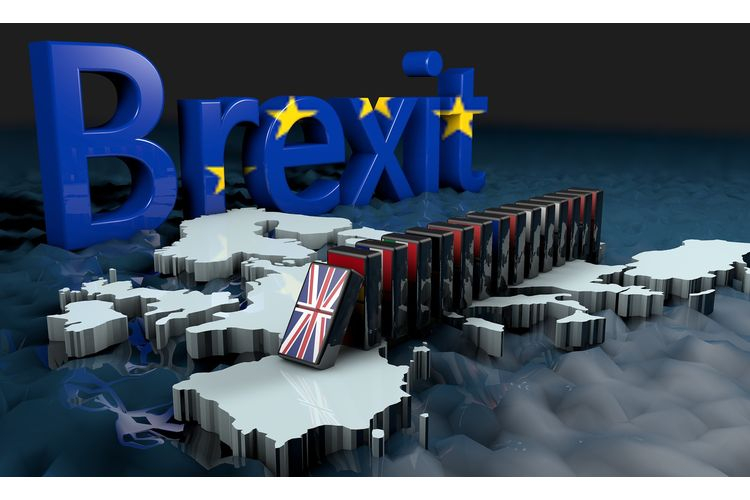
The Polish government is striving to ensure that entrepreneurs feel the effects of the end of the transition period in EU-UK relations, established under the Agreement on the withdrawal of the United Kingdom from the European Union, as painlessly as possible and are as well prepared as possible for the new conditions of trade with the United Kingdom. The UK is a very important trading partner for Poland, which is why the Ministry of Economic Development, Labour and Technology (MRPiT) has taken information measures to help Polish entrepreneurs prepare for the new conditions in economic relations with the UK, as these will certainly change after January 1, 2021.
The United Kingdom officially left the European Union on February 1, 2020, following the conclusion of the Withdrawal Agreement by both parties. The transition period in EU-UK relations, in effect since February 1 of this year, is a time during which the country is still treated as a member state, retaining all associated rights and obligations. However, the transition period will irrevocably end on December 31, 2020.
EU-UK negotiations on future economic cooperation
Negotiations between the EU and the UK regarding a future agreement, including future economic cooperation, are still ongoing. EU member states have accepted the agreed premises – negotiating guidelines for the European Commission, which aim to develop a text of the Agreement acceptable to the EU to secure the interests of EU entrepreneurs, including by ensuring fair competition conditions against British entrepreneurs.
The most important goal of these negotiations is to maintain trade with the UK as close to the current level as possible and to minimize obstacles and changes in trade. Maintaining fair competition conditions given the geographical proximity of the UK depends on issues such as a proper and agreed regulatory environment, as well as similar state aid rules.
Currently, the most contentious points of the negotiations concern issues such as state aid, agreement governance, and fisheries. Efforts should be made to find solutions that ensure that the UK – while maintaining the current large scale of trade – remains a partner that upholds regulations guaranteeing fair competition in various regulatory aspects.
In the final phase of negotiations, the main points of contention remained discrepancies in areas such as fisheries, including future mutual access to fishing grounds. For the UK, as well as EU countries in this region, this is a significant issue in the negotiations due to the great importance of this sector for the local economies of coastal states. The lack of arrangements in this regard directly affects the negotiations as a whole. The MRPIT has launched the website www.brexit.gov.pl, which features a comprehensive electronic guide for entrepreneurs containing the most important information on the upcoming changes in the economic cooperation between the EU and the UK from January 1, 2021. The website publishes current and most important information regarding ongoing negotiations, including information on key changes for entrepreneurs.
EU-UK relations, what will change if no agreement is signed?
It cannot be ruled out that future relations between the EU and the UK will not be regulated by the end of 2020. In economic terms, this would have consequences similar to a “no-deal Brexit,” i.e., the UK leaving the EU without a Withdrawal Agreement. This means basing economic relations between the EU and the UK on World Trade Organization rules, and consequently, among other things, the introduction of tariffs and changes in VAT and excise tax settlement rules, the need for entrepreneurs and exporters to adapt to British regulations, restrictions for transport companies, etc.
Source: Ministry of Economic Development, Labour and Technology