









On July 1st, an amendment to the VAT Act comes into force, implementing the so-called VAT e-commerce package in Poland. The goal of the new law is, among other things, to unify procedures and rules applicable throughout the European Union. From the consumer’s point of view, a particularly significant change is the abolition of the 22-euro threshold, below which – in most EU countries – postal shipments containing goods purchased in third countries are currently exempt from VAT. The new regulations are intended to reduce the scale of unfair competition that e-commerce operators from outside the EU currently pose to European entrepreneurs, by delivering goods to member state markets largely without paying customs duties and VAT.
The entry into force of the new regulations simultaneously imposes new customs and tax obligations on postal operators in EU countries. From July, operators, including Poczta Polska, will clear shipments worth up to 150 euros, which are exempt from customs duties but subject to VAT under revised rules. In Poland, such postal shipments will be declared by the Post to the customs authorities via the AIS/e-COMMERCE system. The changes introduced in Poland will also apply to shipments of higher value. From July 1, 2021, Poczta Polska will also electronically declare shipments worth 150-1,000 euros to the AIS/e-COMMERCE system, which are subject not only to VAT but also to customs duties.
Poczta Polska will offer recipients of shipments a comprehensive service related to the customs and tax clearance of goods. The simplest option will not require any action from the recipient. The Post will perform all necessary activities – it will collect customs and tax duties upon delivery of the shipment in the amount calculated by the National Revenue Administration (KAS), as well as a postal fee for making the customs declaration.
– Adapting to the new EU regulations related to the so-called VAT e-commerce package is a major organizational and IT challenge. The implemented solutions impose new obligations on the Post related to the electronic declaration of postal shipments from outside the European Union to customs authorities, and subsequently collecting the appropriate tax or customs and tax duties. This is an extensive project that we have been working on very intensively in cooperation with KAS – says Tomasz Zdzikot, President of Poczta Polska SA.
Currently, after the new regulations come into force, the process of handling a shipment containing goods will look as follows:
– A customer in Poland orders goods from a country outside the EU;
– After the shipment arrives in Poland, a Post employee makes an electronic customs declaration on behalf of the recipient, which is sent to the AIS/e-COMMERCE system operated by the National Revenue Administration;
– Based on the data contained in the declaration, the National Revenue Administration calculates and provides the Post with information on the amounts of tax or customs and tax duties that the Post is obliged to collect and remit to KAS;
– Tax or customs and tax duties, along with the postal fee determined by the Post, are collected upon delivery of the shipment by a Post employee, or at a post office;
– The final stage of the operation is the settlement of the tax or customs and tax duties collected by postal workers with the National Revenue Administration.
If the contents of the shipment do not require an additional inspection by customs officers, KAS will release the goods in the shipment for circulation, and Poczta Polska will release the shipment for delivery to the addressee. It is worth noting that the same procedure will apply to letters with goods and parcels.
– Polish customers ordering goods from outside the EU need fast deliveries and simple customs and tax procedures. We strive to meet the expectations of companies and customers participating in cross-border trade – emphasizes Wiesław Włodek, Vice President of Poczta Polska SA, responsible for the implementation of the project by the Company.
The VAT e-commerce package introduces solutions whereby e-commerce sellers/sales platforms will be able to calculate and collect VAT directly at the time of purchase from the ordering party, which means it will be added to the price of the goods just like when purchasing goods on Polish platforms. In such a case, the Post will make a customs declaration for such a shipment, in which VAT will not be calculated, so the customer will only pay the postal fee upon delivery. This applies to shipments worth up to 150 euros.
The new regulations change the role of Poczta Polska in customs processes. Previously, the company was an entity presenting shipments to customs authorities. From July 1st of this year, it becomes an entity making customs declarations, acting in its own name on behalf of the shipment recipient, i.e., as a so-called indirect representative. Furthermore, from August 2nd of this year, the Post will also be required to transmit information about shipments pre-advised by senders to the EU’s ICS2 customs system, which analyzes traffic for security purposes. Only a positive decision from this system will allow the shipment to be loaded onto an aircraft in the country of dispatch.
Post’s preparations
For customs and tax settlements, the Post has hired additional employees through internal and external recruitment. The campaign under the slogan: “Work with us and develop in customs service” was aimed at people who do not have special authorizations or qualifications, but will be prepared for work in the positions during specialized training. In addition, there are activities related to the recruitment of employees – several hundred people are planned to be hired for the broadly understood handling of activities related to this project.
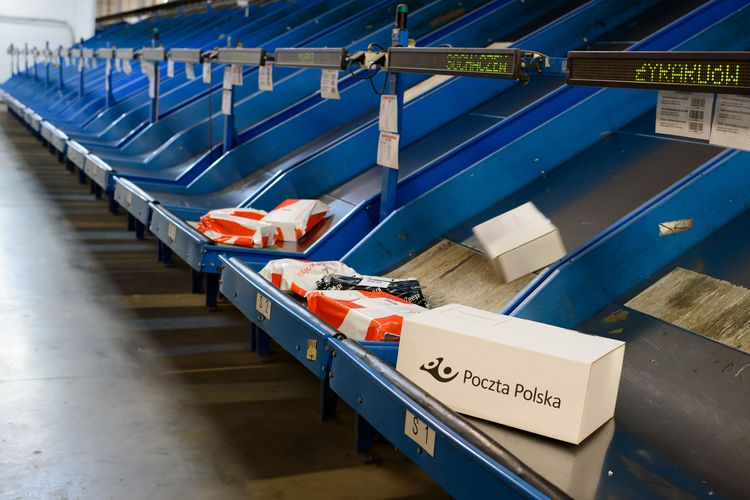
An important element of the preparations is also IT systems. It was necessary, among other things, to integrate the Post’s internal systems with the systems of external partners, as well as to build its own IT system from scratch, allowing for customs declarations to be made. A decision was also made to modernize, expand, and adapt workstations in seven locations where postal workers will carry out tasks related to the customs and tax project. The investments concerned sorting centers in Warsaw, Zabrze, Pruszcz Gdański, Lublin, Szczecin, and post offices in Poznań and Przemyśl.
Source: Poczta Polska