









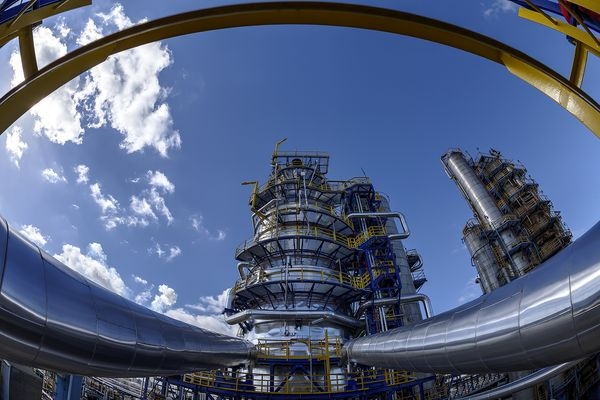
PKN ORLEN is implementing an operational program for biofuels. Its execution will be based on three pillars: the construction of biofuel production facilities, research and development work, and operational adjustments in the area of logistics.
By implementing the biofuel program, the concern is preparing for the introduction of the amendment to the Renewable Energy Directive, known as RED II, which increases the importance of second-generation biofuels produced from, among other things, algae, straw, and other waste raw materials.
– We expect the importance of renewable energy in transport to grow and we treat the provisions of the RED II Directive as a significant element shaping the future fuel market. We want to be optimally prepared for these changes from a business perspective. By implementing the operational program for biofuels, we are proactively responding to the challenges associated with new regulations that will emerge between 2020 and 2025, – says Armen Artwich, Member of the PKN ORLEN Management Board for Corporate Affairs.
PKN ORLEN plans to use existing refinery installations in Płock and Litvinov to carry out the co-hydroprocessing process on an industrial scale. This involves introducing vegetable oils or used fats into refinery installations in parallel with crude oil fractions. As a result, the diesel fuel obtained contains the HVO (hydrotreated vegetable oil) biocomponent. This biocomponent will supplement the esters used in diesel fuel to date, which will continue to be widely used up to the limit provided for by fuel quality standards.
The decision to move co-hydroprocessing to an industrial scale was based on the successful technological trial conducted in September 2018 as part of the CO-BIO project, co-financed by the Inno-Chem program. Using the experience gained from industrial-scale co-hydroprocessing of vegetable oils and taking into account how the RED II Directive is transposed into Polish regulations, ORLEN will also make a decision by 2020 regarding the construction of an independent HVO production facility. Additionally, a project concerning the construction of a facility for the production of bioethanol from cellulosic raw materials is being analyzed, as are other technologies that allow for the acquisition of advanced biocomponents.
The biofuel development program at PKN ORLEN will require preparing the refineries to receive the new component and organizing the logistics of raw material supplies. The concern is also systematically building knowledge about the renewable fuel market, expecting its importance to grow by 2030. The concern’s interest in biofuels particularly concerns the use of waste raw materials for the production of renewable fuels, which fits into the broader trend of closing the loop of raw materials in the economy.
The planned research and development work includes the implementation of pre-deployment tasks regarding fuels with an increased share of biocomponents, as well as strictly research-oriented activities, preparing PKN ORLEN for further technological and product changes.