









Transport is one of the most rapidly developing branches of trade. This is not surprising, as the transport of goods and logistics processes are an inseparable element of the functioning of every manufacturing or trading company. Without daily transport, it is hard to imagine even the operation of a store or production in a factory. However, apart from traditional transport, oversized transport is becoming increasingly common. This is dictated by significant technological development and ever-increasing logistical capabilities. What exactly is oversized transport and on what principles does it take place?
What is oversized transport
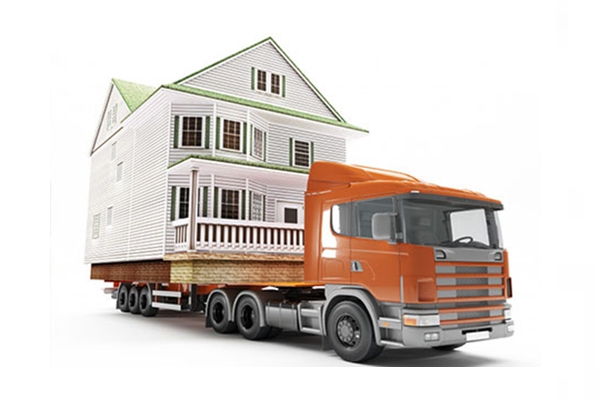
Oversized transport, also known as non-normative transport, concerns the carriage of loads that, due to their size and weight, are not legally permitted to travel on national or international roads. Permissible parameters are defined by traffic law, and according to it, we can speak of oversized transport when the length of the vehicle including the cargo exceeds 16.5 m in total length, 2.5 m in width, 4 m in height, or 42 tons of total weight (including the weight of the driver and fuel).
 Professional driver settlement
https://rozliczkierowce.pl/
What loads are considered oversized
We have already mentioned that oversized loads are those that exceed permitted standards. These are primarily industrial construction elements, tanks, construction machinery or agricultural equipment, infrastructure elements such as bridge spans or wind turbines, warehouses and halls, as well as industrial devices and production lines. Thanks to enormous transport and logistical capabilities, the execution of such large and unusual orders is currently a daily occurrence and allows for the performance of ever newer and more interesting tasks.
Oversized transport permit required
To legally transport a load that exceeds the standards permitted by law, it is necessary to obtain a special document in the form of an oversized transport permit. The act lists seven categories of permits for individual shipments. According to it, category I defines the route that a given transport will follow, and the permit allows for departure and arrival at a specific place; it is issued by the appropriate road administrator. Category II is for slow-moving vehicles, agricultural tractors, excavators, and other agricultural and construction equipment; the permit is issued by the district governor (starosta). Categories III to VI are issued by the district governor, the Head of the Customs Office, and the GDDKiA for a longer period, and they do not indicate the exact number of trips, vehicle parameters, or routes, but rather set the maximum values for the vehicle including the load. Category VII concerns oversized vehicles that exceed the parameters given in the previous categories; the permit is issued here by the GDDKiA. The permit is obtained upon application, to which appropriate documents are attached, and its cost is determined individually, taking into account the length of the route and the exceeded parameters. It should also be remembered that international non-normative transport requires a permit issued by the country through which the given load is to be transported.
Organization of oversized transport
Oversized transport is quite a challenge. When implementing it, one must take into account not only the requirements imposed by the legislator but also the entire logistics process, consisting of many elements. The entire organization is based on a very thorough analysis of the entire route and the selection of the most optimal one so that the transport cost is as low as possible. It is necessary to anticipate all difficulties that may occur on the route, such as weather conditions during cargo transport, road infrastructure – narrow roads, bridges, roundabouts, etc. Furthermore, it is necessary to ensure proper securing of the transported load and pilotage of the transport, if necessary. For technical reasons, oversized transport most often takes place at night, when road traffic is significantly limited. This allows for reducing the risk of any accidents or damage.
Every oversized transport requires an individual approach so that it is as beneficial as possible for both parties – both in financial and organizational terms. When deciding on oversized transport, it is worth using the services of professionals who will take care of every detail related to the planned undertaking.