








The transformation in transport is based on a mix of solutions relying on traditional and new fuels, bio-feedstocks, and the development of electric vehicle charging infrastructure. In the opinion of ORLEN experts, this is a task for years to come, but the group is already building hydrogen refueling stations and investing in ultra-fast chargers.
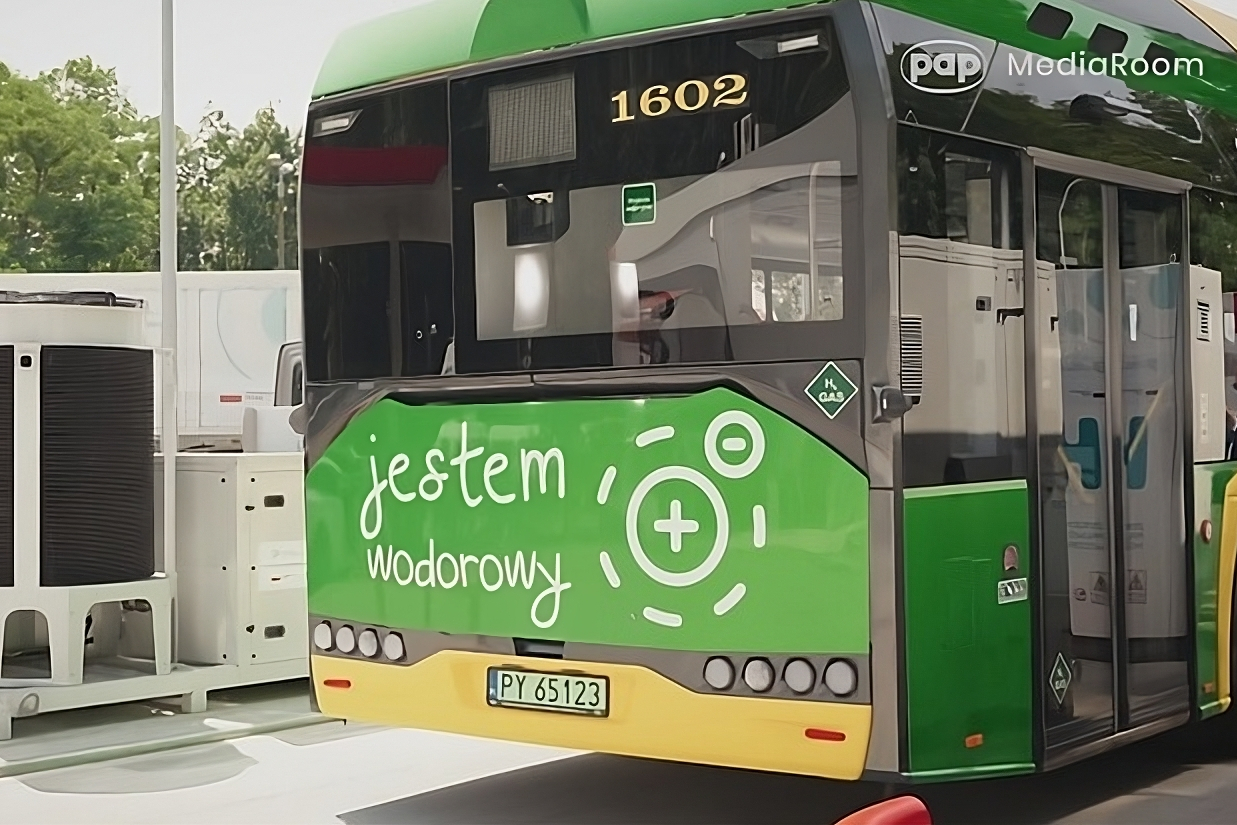
In June 2024, ORLEN launched Poland’s first publicly accessible, 24/7 hydrogen station in Poznań, where, among others, 25 city-owned buses are regularly refueled. More are being built in Katowice and Wałbrzych, and by 2030, the group plans to build over 100 hydrogen refueling stations in Poland, the Czech Republic, and Slovakia.
– Hydrogen is an important fuel of the future in the national mix, which will play an increasingly significant role in transport. We have plans to build 56 hydrogen refueling stations across Poland. We want to implement this according to the schedule, and I hope that the deadlines will be met and that this will be included in Orlen’s strategy – believes Michał Grzybowski, Head of the Hydrogen Project Analysis Team at ORLEN.
The expert notes that hydrogen projects are costly. The construction of the Poznań station was co-financed by EU funds (under the CEF – Connecting Europe Facility instrument) and national funds (from the ‘Green Public Transport’ program). This year, the group received approval from the European Commission for a grant to build 16 hydrogen refueling stations and a production hub, amounting to 62 million euros.
Zero-emission transport in cities
– We see interest from local governments and municipal bus companies in hydrogen technologies, and I think that in addition to battery drives, biofuels like bio-LNG, bio-CNG, hydrogen will have a significant place in the future fuel mix – emphasizes Michał Grzybowski, Head of the Hydrogen Project Analysis Team at ORLEN.
The network of hydrogen hubs is to be powered by renewable energy sources and installations that convert municipal waste into zero- and low-emission hydrogen. The assumed capacity of electrolyzers in the ORLEN Group by 2030 will be approximately 1 GW, which, combined with waste-to-hydrogen projects, will enable the production of over 130,000 tons of hydrogen annually.
ORLEN also plans to develop a logistics network for hydrogen supply to refueling stations, based on tube trailers – tankers similar to those for conventional fuel, but adapted for transporting hydrogen under high pressure.
Energy transformation
An important element of the energy transformation is electromobility. The largest national chain of fuel stations also has an extensive infrastructure of over a thousand electric vehicle charging points in Poland.
– Electrification of transport is a task spread over generations, requiring the commitment and coordination of investment and organizational resources. It is about creating an entire electromobility ecosystem – believes Karol Wolff, Director of the Strategy and Strategic Transformation Office at ORLEN.
The expert adds that in Polish conditions, the development of electromobility depends on the speed of modernizing power grids, which, in his view, is happening too slowly due to excessive bureaucracy.
– Poland is a country where the customer expects effective and economically beneficial solutions, like LPG. Therefore, when talking about the development of electromobility, we are talking about the entire chain – from green energy generation. We are investing in grid modernization, but this action takes time, so we need as a business – but also regulators and customers – to find a pace that will allow for the long-term search for the most effective and useful solutions – notes Karol Wolff.
Michał Grzybowski and Karol Wolff were guests at the 5th New Mobility Congress, which took place from September 24-26, 2024, in Łódź. The event brought together Polish and international stakeholders of the zero-emission transport and new mobility sector.
Source of information: PAP MediaRoom