








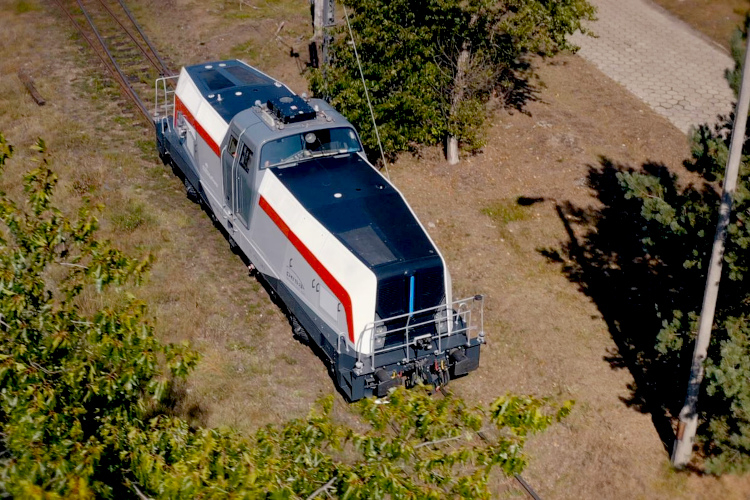
ORLEN is developing hydrogen technology in transport. The company has purchased a modern locomotive from PESA Bydgoszcz, which is the first rail vehicle in Poland to use hydrogen propulsion. At the same time, its testing has begun. As part of the operational trials, the locomotive’s first run took place on the Gdynia – Hel route. This is yet another investment that aligns with the ORLEN Group’s hydrogen strategy, which assumes the use of hydrogen in rail and public transport. By 2030, the company will allocate PLN 7.4 billion for investments in hydrogen technologies based on renewable energy sources and technology for processing municipal waste into hydrogen.
“In accordance with our assumptions, we are carrying out business tasks that will ensure our long-term development and a strong position in Europe, while at the same time aligning with the strategy of strengthening the energy security of Poles. One of the key elements of this process is the development of alternative fuels, including hydrogen. We are allocating billions of zlotys to investments in modern hydrogen technologies. The purchase of the first hydrogen-powered locomotive in Poland from PESA Bydgoszcz is another important step in the commercialization of this technology and strengthens our position in an area that is the future of the automotive industry. Thanks to this investment, we will gain the competencies needed to prepare a comprehensive offer for hydrogen fuel supplies for the rail market. Our actions are effectively contributing to the transformation of the Polish railway using the most modern technologies. At the same time, we are investing in the development of zero-emission public transport by building more publicly accessible hydrogen refueling stations in Poland and abroad,” says Daniel Obajtek, President of the ORLEN Management Board.
The hydrogen-powered shunting locomotive acquired by ORLEN will ultimately operate on the siding of the Production Plant in Płock. Its testing is currently underway. The first run took place on the Gdynia – Hel route. The agreement concluded between ORLEN and PESA Bydgoszcz also includes a 4-year service package, which will include standard inspections and any necessary repairs. The capacity of the locomotive’s tanks is more than five times greater than that of hydrogen-powered buses and amounts to 175 kg. This allows for 24-hour operation of the locomotive. The locomotive’s traction system consists of two fuel cells with a power of 85 kW each, a battery, and four traction motors.
The ORLEN Group is actively developing its hydrogen potential, and the rail market is a very attractive area for implementing this fuel. ORLEN and LOTOS Kolej plan to eventually hydrogenate the locomotive fleet at the Production Plant in Płock and in other locations. In the longer term, the company is focusing on developing the hydrogen sales market and building a network of hydrogen refueling stations for rail vehicles.
At the same time, in accordance with the hydrogen strategy until 2030, the ORLEN Group is developing its network of publicly accessible, 24-hour hydrogen refueling stations in Poland and abroad. In 2021, ORLEN launched the first automotive-grade hydrogen production HUB in Poland, from which hydrogen fuel has been supplied for over a year to a pilot hydrogen refueling station in Krakow, where hydrogen buses from various manufacturers are being tested. Drivers in Poland will be able to refuel hydrogen for their cars at stations in Poznań and Katowice later this year. Subsequent ORLEN hydrogen stations in Bielsko-Biała, Gorzów Wielkopolski, Wałbrzych, Krakow, Włocławek, Gdynia, Piła, and Warsaw will be commissioned by mid-2025. In the Czech Republic, hydrogen can already be refueled at ORLEN Benzina stations in Prague and Litvinov. Over the next 7 years, the ORLEN Group’s network will include over 100 hydrogen refueling stations. Approximately 57 will be built in Poland, approximately 26 in Slovakia, and approximately 28 in the Czech Republic.
To ensure the highest quality of hydrogen fuel, the ORLEN Group has launched specialized hydrogen laboratories in Trzebinia and Włocławek, which are the only ones in Poland capable of testing all hydrogen parameters required for powering fuel cells in vehicles.
ORLEN has also taken on the role of leader of two Hydrogen Valleys – the Masovian Valley, which was established in 2022, and the Amber Valley, covering the Pomeranian Voivodeship, which was created this year by an international consortium of 11 entities. The Amber Hydrogen Valley project is the first in Poland to hold a certificate issued by Mission Innovation and the Clean Hydrogen Partnership for a flagship hydrogen valley project.
As part of the Amber Hydrogen Valley, plans include, among other things, launching several sources of renewable hydrogen production, building a hydrogen refueling station at the port in Gdynia, as well as publicly accessible stations in key cities in Pomerania. The project also includes the creation of the world’s first fleet of port hydrogen vehicles. It will serve the port in Gdynia. Furthermore, investments will be made in several dozen hydrogen vehicles, including passenger cars and light commercial vans, which will be used by courier companies and companies providing power grid maintenance services.