








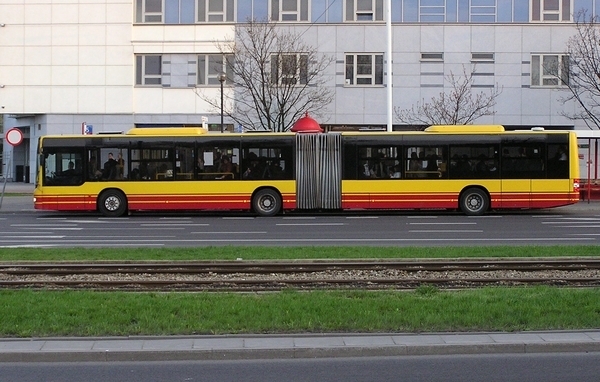
The constantly progressing process of urbanization has led to a situation where the majority of the population lives in cities. Consequently, everything related to human existence, accumulated in one place, causes many ecological problems. These include, among others: an increasing number of passenger cars, intensified flows of goods, outdated public transport vehicles, a lack of proper municipal waste management, and unformed pro-ecological patterns among residents.
Local government authorities, wishing to protect the natural environment, strive to eliminate phenomena that degrade it. The purpose of this article is to present the opportunities and barriers to pro-ecological activities undertaken in the city of Gdynia. Particular attention is paid to the use of environmentally friendly public transport, the system of waste disposal and utilization, and ecological education.
Introduction
In complex economic systems such as cities, the problem of environmental pollution is gaining importance. This is largely due to the concentration of various economic and life activities in urban areas and the relatively high level of urbanization in Poland, which stands at 60.2%. Furthermore, the fast pace of life of residents means that many of them do not have time to rest outside the agglomeration. It is necessary to ensure access to clean green areas and air free from pollution. Modern cities face a serious task. To ensure adequate living conditions for residents, they must strive to eliminate or reduce phenomena harmful to the environment. A good example of a city that implements many pro-ecological concepts in its daily functioning is Gdynia. (…)
The article contains 24,770 characters.
Source: Logistyka Magazine 6/2012
Keywords: urban logistics, pro-ecological solutions in the city – PDF file for download