








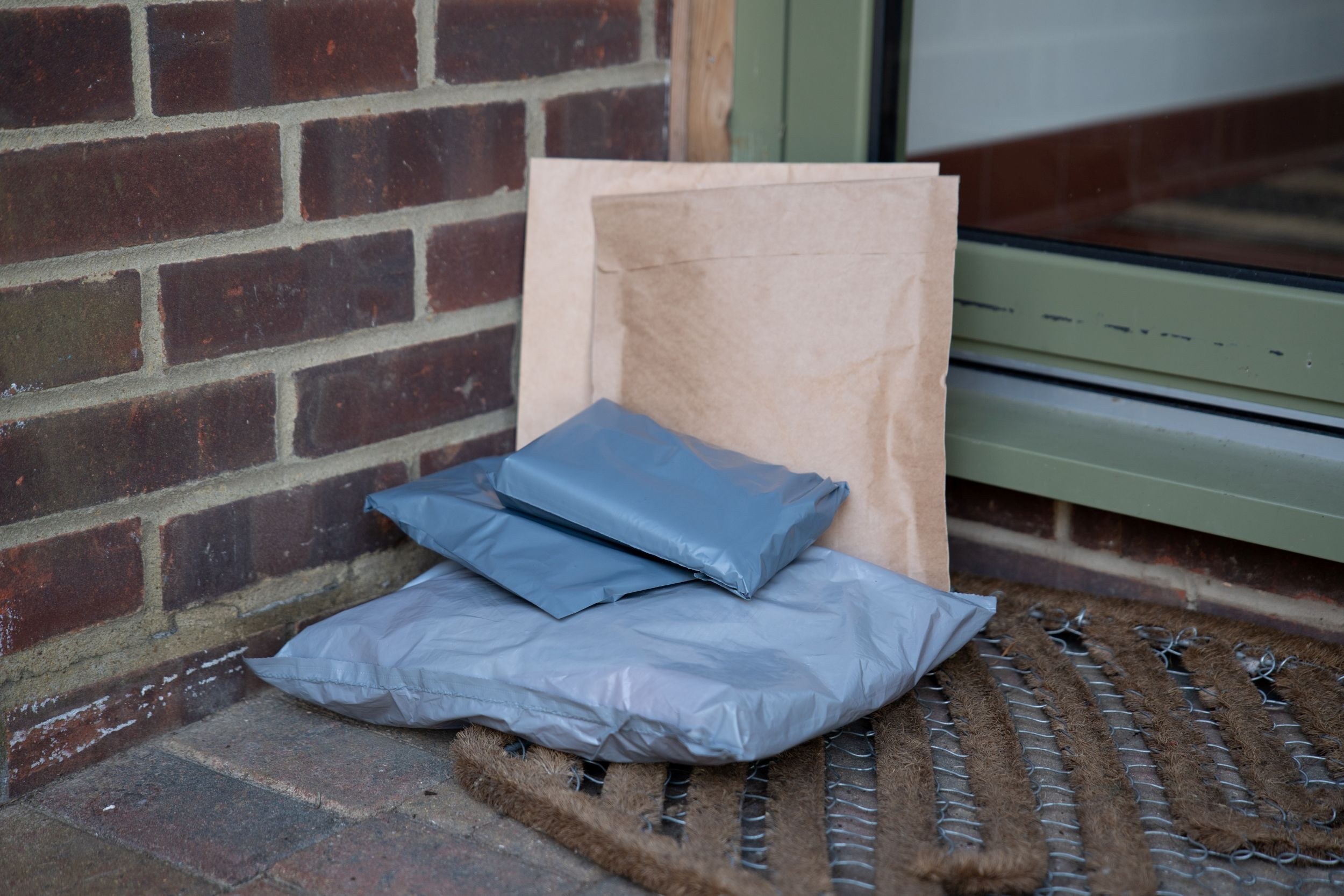
By 2030, 147 million plastic bags will be used in Poland for online fashion deliveries, which translates to over 2,500 plastic bags delivered every hour, according to a study commissioned by DS Smith, a global leader in sustainable packaging. Last year alone, online fashion retailers delivered 16 million plastic bags to Polish consumers (43,000 bags every day) that could have been replaced by other, more sustainable solutions. More than three-quarters (77%) of shoppers in Poland want plastic bags to be phased out if alternatives are available.
In 2018, the Polish government first introduced a recycling fee for lightweight plastic bags in brick-and-mortar stores, which was extended to almost all plastic bags a year later. This contributed to a significant decrease in their consumption by the public. According to Eurostat data, in 2022, Poles used an average of only 6.6 lightweight plastic bags per year, a significant drop compared to the 300-400 bags before 2018.
A study conducted by Development Economics on behalf of DS Smith, a leading provider of sustainable packaging solutions, shows that Poland is the fastest-growing market for plastic packaging used in fashion deliveries among major European economies[1]. The number of plastic bags delivered to Polish shoppers is expected to more than double by 2030 (a 102% increase), in line with the expected growth in online fashion sales. This means that 32 million plastic bags with shipments will reach Polish homes every year, totaling 147 million packages by 2030.
Packaging reuse
Currently, only 6% of the bags that reach customers in Poland with clothes purchased online are reused or recycled. The remaining 94% end up in landfills or incinerators, which corresponds to 15 million bags last year alone. The growth of e-commerce and slow progress in increasing recycling rates mean that by 2030, more than 30 million plastic shipping packages will end up in landfills or be incinerated.
Together with some of the world’s largest brands, we estimate that we have replaced over 1 billion pieces of plastic with paper-based packaging over the last four years – but we must do even more. While online sales are increasing, online retailers use more plastic bags compared to brick-and-mortar stores. Brands like Zalando have proven that change is possible, but there is a major obstacle – there are not enough alternative fiber-based solutions available. This is a clear signal that packaging manufacturers must accelerate to provide them. We believe that legislation and business practice should be clearer on all these issues. Phasing out certain plastics and giving a level playing field to producers of more sustainable alternatives could be helpful in creating innovative solutions and generating healthy competition in replacing plastic
– says Katarzyna Kala-Kowalska, Managing Director of DS Smith Poland.
Some online fashion brands have already made the change. Zalando, a leading European fashion marketplace, has replaced plastic bags with paper bags made from recycled materials and FSC-certified virgin fibers since 2020. This has been well received by customers.
The transition from plastic to paper shipping bags was a turning point. After introducing our first paper bags, customer satisfaction with our new packaging increased by 16 percentage points year-on-year. The high acceptance rate gives us confidence that we are on the right path with paper bags, which are easy to recycle in the vast majority of Europe
– says David Fischer, Director of Sustainability for Logistics and Packaging at Zalando.
However, eliminating single-use plastic products remains a key challenge for the e-commerce industry in achieving sustainability goals. Finding the perfect solution is a complex task, especially in an environment where more sustainable alternatives are not yet fully scalable or may not meet minimum requirements in terms of both sustainability and operational implementation
– adds David Fischer.
Easier-to-recycle materials
The shift to easier-to-recycle materials is supported by the majority of Poles. More than three-quarters of respondents (77%) want plastic bags to be phased out if alternatives are available, and seven out of ten (72%) say they prefer to receive their purchases packed in cardboard or paper.
More than half of the surveyed Polish consumers (57%) say they feel guilty about the amount of plastic their orders are delivered in. Furthermore, they believe that the responsibility for reducing plastic consumption lies with packaging companies (42%), retailers (34%), and the European Union (27%). More than half of the respondents (56%) say they would be more likely to place an order with a clothing store that uses recyclable packaging.
The opportunity to meet consumer demands for more sustainable packaging is clearly significant. To meet this demand, in collaboration with the Ellen MacArthur Foundation, each of DS Smith’s 800 designers has been trained in circular design principles. This allows them to assess packaging performance in terms of recycled content and recyclability, which is increasingly important for the world’s largest brands.
[1] The study covered: the UK, Germany, France, Spain, Italy, and Poland.
Source: DS Smith