









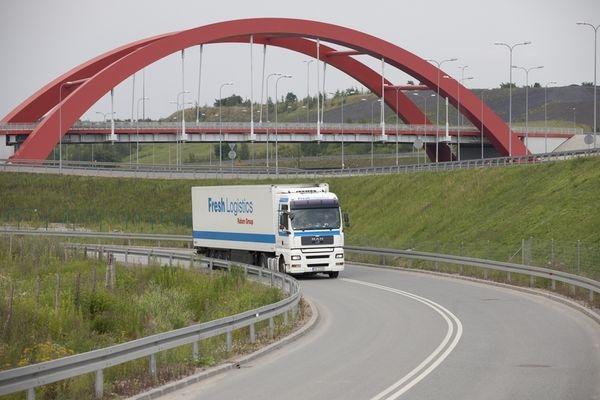
Fresh Logistics is introducing and modifying a new service – UltraFresh. This service is a dedicated delivery system for retail chains at a reduced temperature of 0 to 2°C. Due to the “ultra” short shelf life of the transported goods, both deliveries and collections are carried out 7 days a week. The transported products include: fresh fish, poultry, and meat in MAP packaging.
– Our previous good cooperation with Fresh Logistics led us to submit a request for a proposal regarding a completely new product – the distribution of goods to retail chains at a reduced temperature of 0 to 2°C. The company Fresh Logistics took up the challenge. The offered UltraFresh service has optimized our processes and costs. I am satisfied with the fact that the development of our market is becoming a driver for expanding the Fresh Logistics offer – comments Sebastian Grabowski, President of the Management Board of Atlantic, a company using the new UltraFresh service.
The service offered by Fresh Logistics is unique, mainly due to the proposed temperature range, which positions the company as a leader in providing this type of service.
– We are meeting the expectations of customers delivering their goods to retail chains. Before introducing this solution, we consulted it with both producers and recipients of the products. We provide the service every day of the week because a large portion of fish products found in refrigerators in retail chains, i.e., portioned fresh fish (e.g., salmon, trout), poultry, or meat, requires reduced storage and transport temperatures, oscillating around 0°C, to maintain the health and taste properties of the product – says Grzegorz Romanowski, Director of the Fresh Logistics branch in Straszyn.
– Thanks to the UltraFresh service, our company has become competitive against the offers of the largest market players. In the case of fresh products, chains require daily deliveries. Carrying out small, single-assortment shipments every day increased our costs. It is also very important that the funds we reserved for expanding transport infrastructure can now be allocated to increasing production capacity – concludes Grzegorz Balcerzyk, Director of the Fario plant.