









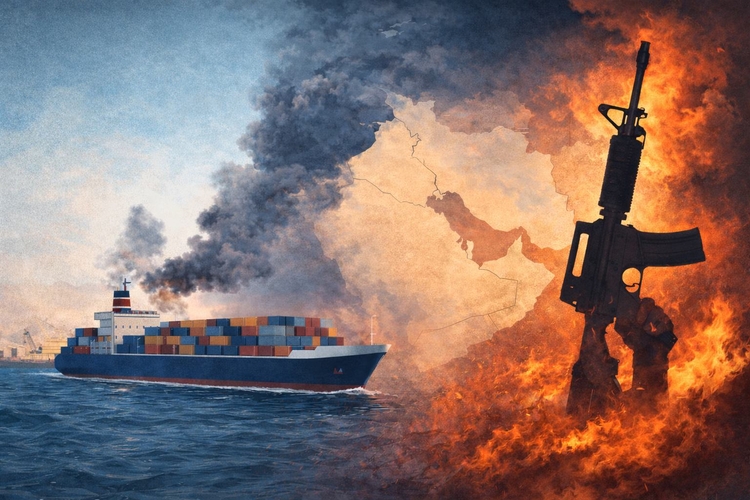
The conflict in the Middle East is increasingly impacting the functioning of global supply chains and maritime transport serving international trade. This region is of key importance for global logistics – according to data from the U.S. Energy Information Administration, approximately 30% of the world’s seaborne oil transport passes through the Strait of Hormuz, one of the world’s most important shipping lanes. In recent months, geopolitical tensions have led to numerous disruptions in the freight market. Shipowners are introducing new freight surcharges, changing vessel routes, and limiting service to selected ports. As a result, ocean freight rates are rising, transit times are extending, and some shipments – including the transport of dangerous goods – have been temporarily suspended. Below, we present the most important consequences of the conflict for the maritime transport market and trade with Middle Eastern countries.
Changes in ocean freight prices due to the conflict in the Middle East
The conflict in the Middle East is increasingly affecting ocean freight prices and the functioning of the global maritime transport market. One of the main factors driving rate increases is rising fuel costs, which directly translate into shipowners’ operating expenses. In a situation of geopolitical tension, oil prices rise, and sea carriers are forced to pass some of these costs on to customers using, among other things, container transport.
In response to increased operational risk and rising operating costs, many shipowners are introducing additional freight charges. One of the most commonly used is the War Risk Surcharge (WRS), which is a surcharge related to the increased shipping risk in conflict-affected regions. This fee is intended to compensate for the higher costs associated with the security of maritime operations.
Additionally, some carriers, including shipowners such as MSC, are also introducing an Emergency Fuel Surcharge (EFS) – an extraordinary fuel surcharge and other fuel fees resulting from sharp increases in fuel prices and the need to change shipping routes. Avoiding high-risk zones often means longer routes and higher fuel consumption, which directly affects the total cost of container transport.
As a result, total freight rates on routes serving the Middle East region are rising, and freight forwarders, exporters, and importers must account for new shipowner fees when planning maritime transport.
Blocking trade with the Middle East and maritime transport
The conflict in the Middle East has led to serious disruptions in international maritime transport. In recent months, many logistics companies and shipowners have decided to limit or completely halt shipments to selected countries in the region. Particularly visible is the blockage of trade with countries such as the United Arab Emirates, Kuwait, or Qatar, where carriers have temporarily suspended shipping services.
Additional restrictions also apply to maritime transport to countries beyond the Strait of Hormuz affected by the conflict. In the case of some destinations, including Israel, shipowners and logistics operators have decided to suspend dangerous goods transport services. This primarily concerns goods classified according to IMDG Code regulations, such as flammable substances or explosives.
These decisions result primarily from increased operational risk and limitations regarding port security and logistics infrastructure. In practice, this means that some cargo destined for Middle Eastern markets must be routed via alternative paths or temporarily stored in transshipment ports.
Extension of transit time in maritime transport to Persian Gulf ports
The conflict in the Middle East is causing a noticeable extension of transit times in maritime transport to Persian Gulf ports, such as Jebel Ali (Dubai), Hamad (Qatar), Shuwaikh (Kuwait), or Dammam (Saudi Arabia). In many ocean services, shipowners are forced to change vessel routes or limit the number of calls to selected ports, which directly affects shipping schedules. The result of the aforementioned actions is delays in maritime transport of up to several dozen days.
Summary
The conflict in the Middle East clearly affects the functioning of the global maritime transport market. Rising fuel prices and increased operational risk are leading to the introduction of new shipowner fees, such as the War Risk Surcharge or Emergency Fuel Surcharge, which translates into higher freight rates. At the same time, some shipowners have limited service to selected destinations, and in some cases, the transport of dangerous goods has been suspended. Additionally, changes in vessel routes and the reorganization of liner services are causing longer transit times to Persian Gulf ports. As a result, logistics companies and importers must flexibly adapt their maritime transport planning to the dynamically changing geopolitical situation.