








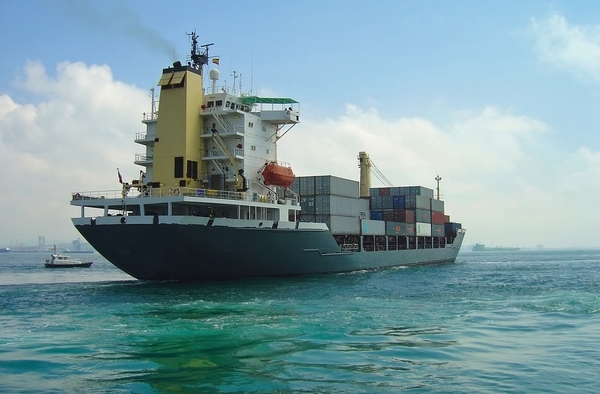
The development of logistics has led, among other things, to changes in the organization of seaports. Originally, logistics meant the physical network of transport and distribution of goods. Today, it is the optimization of all activities ensuring the delivery of goods through the transport chain from the sender to the recipient.
Logistics refers to the entire supply chain process; its task is to plan and control the effective and efficient flow of goods, services, and information related to goods (from the point of origin to the point of consumption, including warehousing) throughout production, distribution, and all stages of their delivery, from initial component suppliers to final product consumers. Maritime logistics includes all forms of sea-related logistics, covering, among others: maritime industry and transport, logistics information technologies, ship and port handling, cargo handling, marine environmental protection, shipping safety, and many other areas of rational human activity related to the maritime economy. Maritime logistics can also be defined as the flow of goods in land-sea supply chains, using classic logistical methods and tools.
The introduction of containers to replace bulk cargo transport has become a revolution in maritime transport. Containerization now covers an increasing number of cargoes, even those traditionally transported as bulk, and—as all global data indicate—this process will continue to develop, which gives maritime logistics a new quality. Globalization, offshoring, and the unprecedented development of containerization have led to changes in maritime transport and logistics chains.
Maritime logistics is particularly important in the European Union, where maritime transport is constantly developing and will continue to play a key role in the development of transport in the EU, both now and in the future, especially if we consider that about 90% of the total volume of freight transport is maritime transport. Furthermore, passenger transport by sea is also developing very intensively, which gives logistics a very important role.
With the development of the maritime transport sector, new challenges are generated for maritime logistics. The main actions allowing for the sustainable development of the maritime sector in accordance with the needs of maritime logistics include, among others: harmonization of maritime transport infrastructure, investment in seaport infrastructure, expansion and strengthening of the European Union’s transport network, development of internal and external urban logistics of port agglomerations, harmonization of infrastructure costs for different types of transport modes and different users, flow of information and knowledge exchange between regions and countries to understand the national characteristics of maritime logistics, reduction of air pollution by the maritime industry and transport, as well as the prevention of oil spills.
The article contains 5990 characters.
Source: Logistyka Magazine 4/2012.