








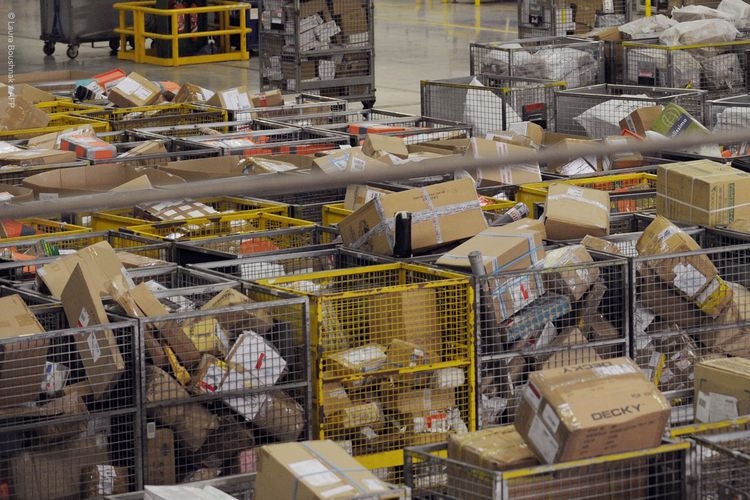
On Wednesday, Parliament adopted proposals aimed at managing the growing influx of cheap, potentially dangerous, and non-compliant goods from non-EU online stores into the EU.
The report, adopted by 619 votes to 26, with 46 abstentions, outlines ways to relieve customs and market surveillance authorities, which are struggling to cope with the need to inspect 12 million small e-commerce parcels entering the EU every day.
Warehousing and the abolition of customs duty exemptions
MEPs emphasize that so-called “warehousing” could be a helpful solution to enable the inspection and ensure the safety of shipments. This would require convincing non-EU traders to establish warehouses within the Union, from which deliveries to customers would be fulfilled. Inspecting bulk shipments arriving at such warehouses in the EU would be much simpler than checking every individual parcel sent from third countries.
Parliament also supports the abolition of the current customs duty exemption for goods valued at less than 150 euros as part of a broader reform of the EU Customs Code, as approximately 65% of parcels entering the EU are intentionally undervalued.
Behind every online purchase, there can be risks to health, safety, and consumer rights – and too often they come from non-EU entities that bypass regulations. Our businesses cannot compete on such unfair terms. That is why we are strengthening customs controls, demanding full traceability of sellers, and combating manipulative practices. We are sending a clear signal: we want a fairer, safer, and more transparent digital market, said rapporteur Salvatore De Meo (EPP, IT) after the vote.
Handling fee for small e-commerce parcels
The report conditionally supports the Commission’s proposal to introduce a 2-euro handling fee for every e-commerce parcel originating from outside the EU, as presented in the communication on e-commerce. MEPs want the Commission to verify whether this fee is proportionate, compliant with WTO rules, and will not be passed on to EU consumers.
Digitalization and better enforcement of regulations
The report also suggests that digitalization, especially the use of new AI tools and blockchain technology, could relieve customs authorities and improve inspections. MEPs call on EU member states to allocate more resources to customs authorities for the implementation of these tools. They also appeal for the effective implementation of existing regulations and for ensuring that digital platforms fulfill their obligations.
MEPs also advocate that member states restrict the access of high-risk suppliers to critical infrastructure and border security systems – especially regarding procurement for security screening and cargo scanning equipment used at airports and ports.
Next steps
Some of the proposals adopted yesterday will be the subject of negotiations between Parliament and the Council as part of the comprehensive reform of the EU Customs Code, which began on July 8, 2025.
Source: European Parliament