








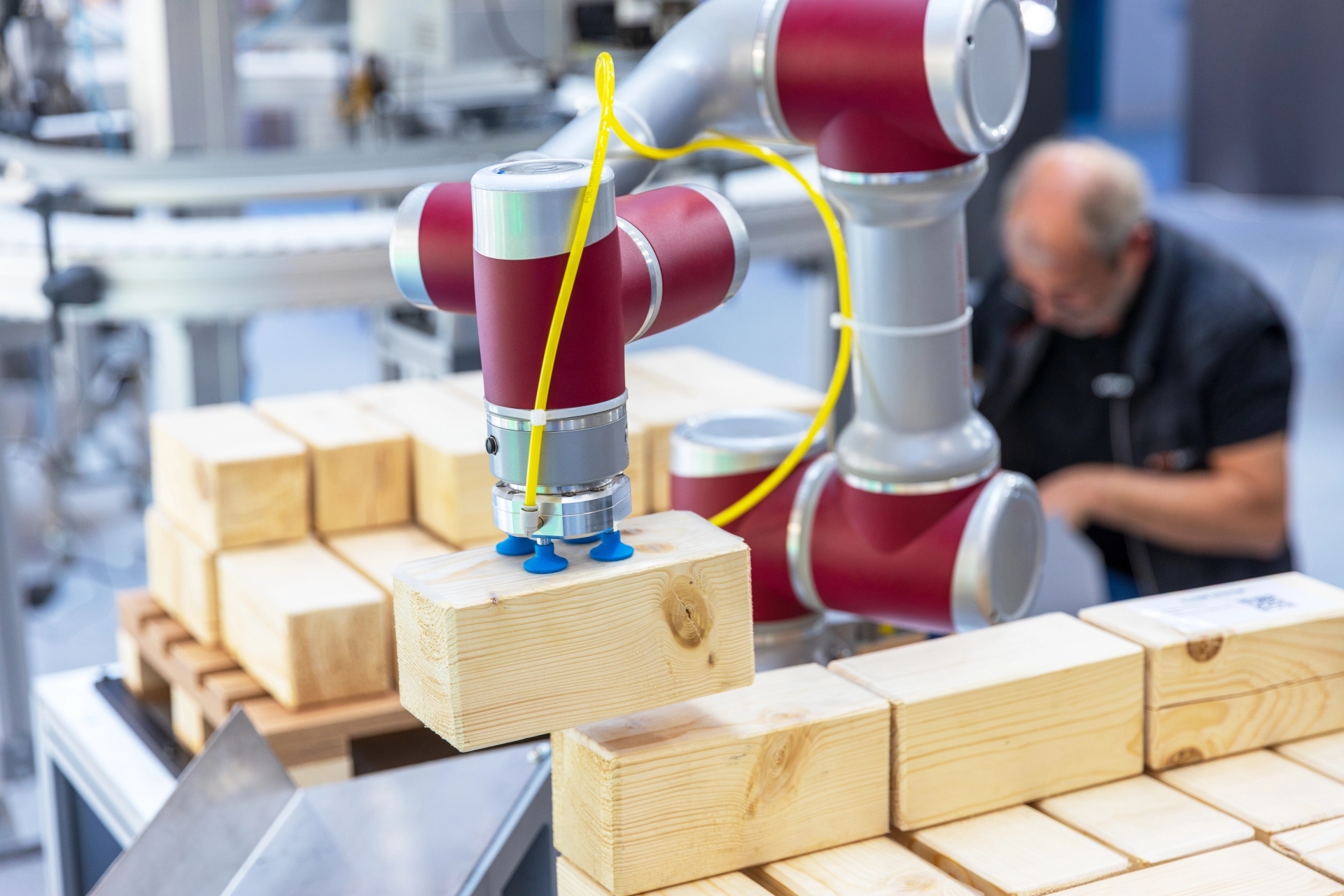
The logistics sector in Poland is still looking for workers – about 28,000 job offers appear every month[1]. However, in the era of automation and digitalization, basic operational skills are no longer enough. Companies increasingly need people who combine knowledge of technology with soft skills and the ability to build relationships.
Automation and digitalization of processes in logistics do not reduce the importance of people, but rather change the scope and nature of their activities. The demand for operational employees performing routine tasks, such as simple warehouse activities or manual document handling, is decreasing. In their place, the number of positions related to coordination, data analysis, critical thinking, strategic planning, and holistic customer service is growing.
– emphasizes Dorota Wójcik, HR Manager at Geis PL.
In practice, this means that innovative tools and humans must work in harmony to create an efficient and smoothly functioning network of processes. Modern logistics is a system of interconnected vessels: on one hand, it requires advanced technologies (WMS, TMS systems, AI tools for route optimization), and on the other – people who can implement them and translate them into real solutions for customers.
Soft skills and diversity in logistics
As Dorota Wójcik notes, algorithms can support planning, but they will not replace the ability to build relationships with customers or manage change in processes and teams. In Logistics 4.0, communication, collaboration, critical thinking, adaptation to changing conditions, and empathy are particularly valuable.
In this context, it is worth emphasizing that the logistics sector in Poland plays a significant role in the economy, generating 7 percent of GDP and accounting for 6.5 percent of employment in the country[2]. At the same time, the industry is facing labor shortages, which makes investing in the development and retraining of employees a necessity. Reskilling and upskilling programs today include not only learning how to operate new technologies but also developing communication skills, creative problem-solving, and teamwork. Simultaneously, the role of wellbeing and a mature, supportive organizational culture is growing – in a fast-paced work environment, these are what determine engagement and staff stability.
Humanities in logistics – a new value on the labor market
It may come as a surprise that graduates of humanities and social sciences are increasingly entering logistics. They primarily support areas such as HR, sales, and customer service, where empathy, relationship-building, and the ability to interpret a partner’s business needs are valued. Such preparation provides a foundation for analyzing the social and cultural context of business, which is becoming increasingly important in a sector where success depends not only on costs and timeliness but also on the quality of the customer experience. This shows that people with a humanities background not only find their place in logistics but actually strengthen areas strategic to the future of the industry.
The dominant educational profile at Geis remains logistics, economics, and technical fields – especially in operational areas such as transport, warehousing, and planning. However, we are observing a gradual increase in the share of people from social and humanities backgrounds. Thanks to this, our company is becoming more diverse in terms of competencies, which supports both innovation and resilience to change.
– adds Dorota Wójcik.
This trend fits into broader phenomena visible on the labor market. Multicultural teams, ESG transformation, and the growing importance of Employee Experience and Customer Experience make social skills strategic. Logistics companies are therefore investing in competence development to combine technology with humans and build a competitive advantage based not only on price or timeliness but also on the quality of customer experience.
[1] https://log24.pl/news/stabilny-popyt-na-pracownikow-w-sektorze-logistyki-i-transportu/?utm_
[2] https://www.logistyka.net.pl/aktualnosci/item/96152?utm_
Source: Geis Group