








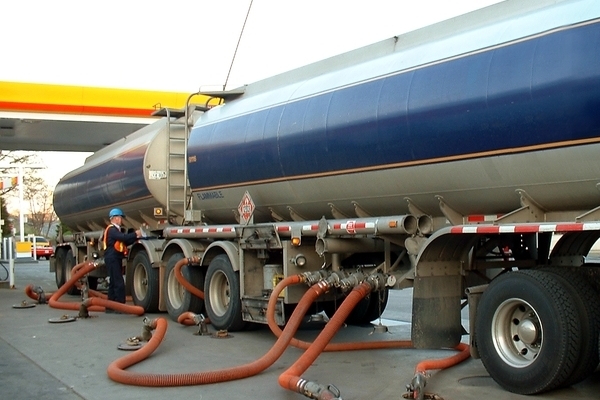
According to one of the numerous definitions, logistics is the supply of resources (products, services, information) to an enterprise; logistics is intended to ensure that materials (raw materials, fuels), energy, and goods (semi-finished and finished products) are always available at the right time, in the right place, in the right quantity, and of the right quality. In relation to means of transport, it indicates the role they play in carrying out logistical tasks, when they are a tool enabling the achievement of a set operational goal (material flows), but they can also become the subject when necessary maintenance work is carried out to ensure the required technical condition of the vehicle.
Operation is a set of purposeful organizational, technical, and economic activities of people with a technical object, as well as the mutual relationships occurring between them from the moment the object is taken over for use in accordance with its intended purpose, until its disposal. The vehicle operation system in transport companies consists of a subsystem of use, maintenance, and operation management (i.e., a decision-planning and recording-reporting subsystem).
The vehicle maintenance subsystem is extremely important because it ensures the proper functioning and effective use of this type of technical object. Logistical activities here include all tasks related to the supply of consumables, spare parts, energy, cleaning agents, financial resources, and activities related to the flow of information.
The vehicle usage subsystem is the implementation of logistical tasks assigned by the logistics company’s clients or the logistics departments of manufacturing enterprises. (…)
The article contains 17,982 characters.
Source: Logistyka Magazine
Keywords: logistics, operation, automotive – PDF file for download