








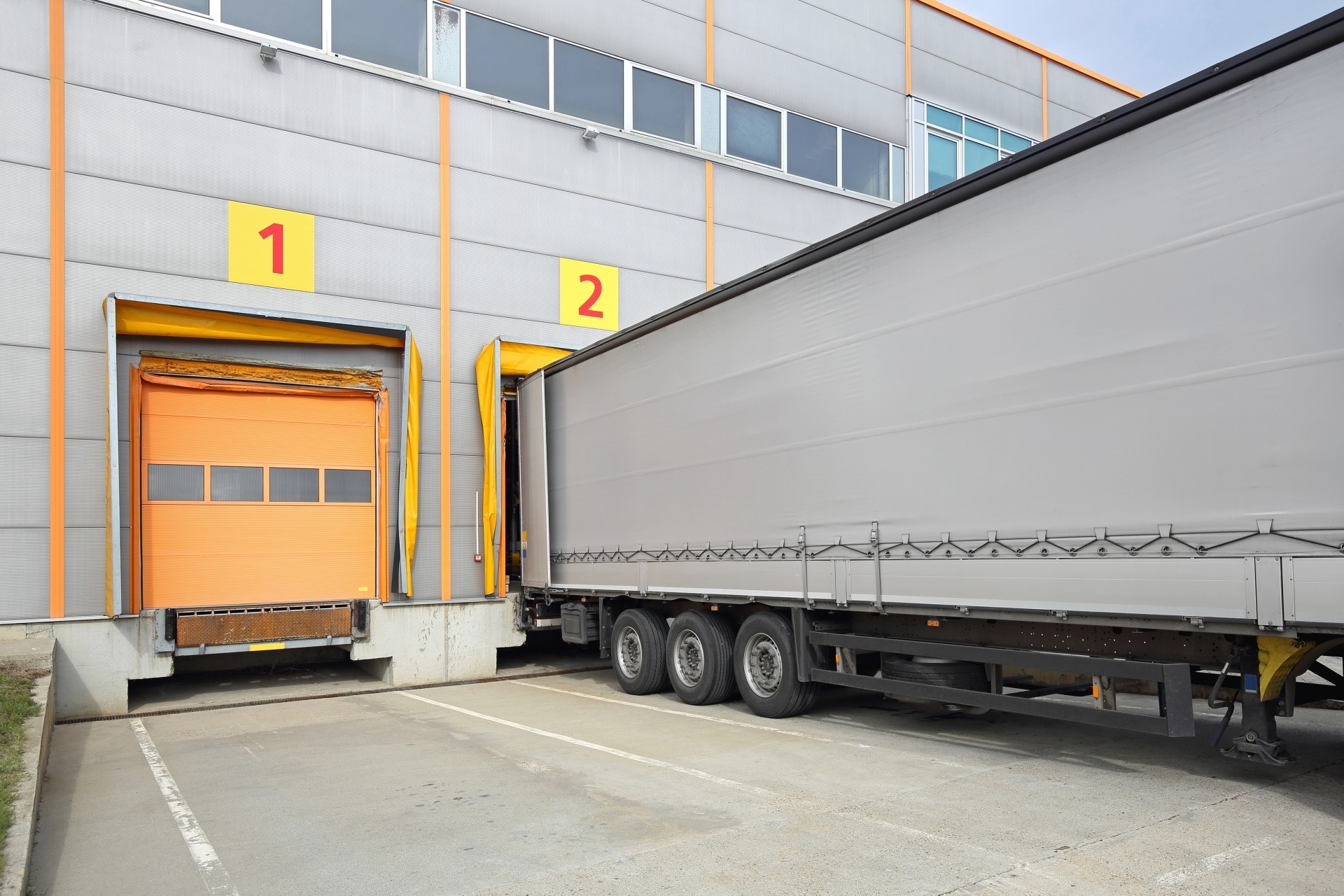
Loading docks – a key element of the infrastructure of every warehouse hall and logistics center – have become the center of a dispute over property tax. Whether they are treated as part of a building or as an independent structure can determine hundreds of thousands of zlotys in annual settlements. Now, the first ruling in the new legal state has been issued in this matter – and it is favorable for taxpayers.
The Provincial Administrative Court (WSA) in Poznań overturned an individual tax interpretation in which a municipality classified loading docks as structures, specifically as building equipment. The court confirmed that docks are part of a building and cannot be treated as a separate object erected as a result of construction works. They do not meet the definition of a structure and therefore are not subject to separate taxation. This decision is of great importance for companies in the logistics, industrial, and commercial sectors, which often own halls with docking systems – from now on, they have a strong argument in disputes with municipalities.
Since the beginning of 2025, a new definition of a structure has been in force in the Act on Local Taxes and Charges. The legislator wanted to simplify the system and make it independent of construction law, but in practice, it caused a wave of uncertainty. Municipalities began to broadly interpret the concept of building equipment, including various technical elements associated with buildings – including loading docks, ramps, scales, or containers. As a result, entrepreneurs faced the risk of additional taxation on infrastructure that had not previously been treated as a structure.
The ruling of the WSA in Poznań is the first signal that administrative courts do not share this approach. It shows that not every technical device located next to a building automatically becomes a structure within the meaning of tax regulations. For taxpayers, this is not only a favorable precedent but also proof that it is worth using the institution of an individual interpretation – not to count on the favor of the authority, but to quickly open the way to court and obtain a binding decision. In practice, the entire process – from filing an application to the ruling – can take less than a year, which makes this path much more effective than classic tax proceedings.
The ruling of the WSA in Poznań is very good news for the logistics and industrial sector. The court confirmed that loading docks are part of a building, not an independent structure. This is the first, but extremely important step in organizing tax practice after the changes in 2025. It is also worth remembering that an individual interpretation can be an effective tool in the hands of a taxpayer – it allows for quickly obtaining the court’s position and avoiding long-term disputes with the municipality.
– emphasizes Wojciech Pławiak, tax advisor at the LITIGATO law firm.
The Poznań ruling may become a point of reference for subsequent administrative courts and the beginning of a more rational line of jurisprudence regarding the taxation of technical equipment in halls and warehouses. For taxpayers, this is a signal that in the new legal state, it is still worth actively defending one’s rights – well-prepared argumentation and proper classification of objects can determine the outcome of a dispute and realistically limit the amount of property tax.
Source: LITIGATO Pławiak Prokurat Karcz Law Firm