









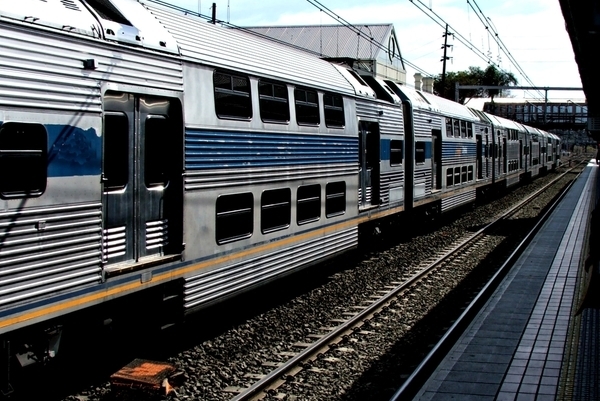
Passenger information is one of the most important and still underestimated elements of modern public transport. It is thanks to appropriate information that the user can make transport decisions. It was created to save passengers’ time and increase their comfort by reducing the effort involved in searching for information.
Until recently, these were just timetables and signs with the direction of travel painted on them, mounted in vehicles. Traditional ways of informing passengers are slowly being replaced by solutions that are more convenient, effective, and have a greater scope and range of transmitted information. Better information equals greater mobility and greater comfort. One of the critical factors determining the success of mobility in urban areas for travelers is the ability to make an informed choice of transport mode and travel time, and for drivers, the choice of route. This depends on the availability of user-friendly, appropriate, and interoperable multimodal travel information when planning a trip. The development of modern technologies enables increasingly better information.
General context
Intelligent Transport Systems, or Transport Telematics devices, regardless of the name, are systems that constitute a wide collection of diverse communication technologies and management techniques used in transport to protect the lives of road users, increase the efficiency of the transport system, and protect natural resources. The issue of transport telematics appeared in Polish publications in the mid-nineties. Even then, attempts were made to define the conceptual scope and area of application of transport telematics, which was defined as a field of knowledge and technical activity integrating computer science with telecommunications for the needs of transport systems. ICT technologies used in transport telematics include the Internet, mobile networks, traffic monitoring devices (sensors, detectors, controllers), video surveillance devices (surveillance cameras), weather monitoring and measurement devices and systems, variable message signs, satellite navigation systems (GPS), radio communication systems (RDS-TMC), geographic databases (GIS), road databases, or electronic cards. These technologies are used in such aspects of transport system management as traffic management, public transport management, incident management, providing road information to travelers, managing road toll and transport service fee systems, or automatic registration of traffic offenses.
The article contains 28,910 characters.
Source: Logistyka Magazine