








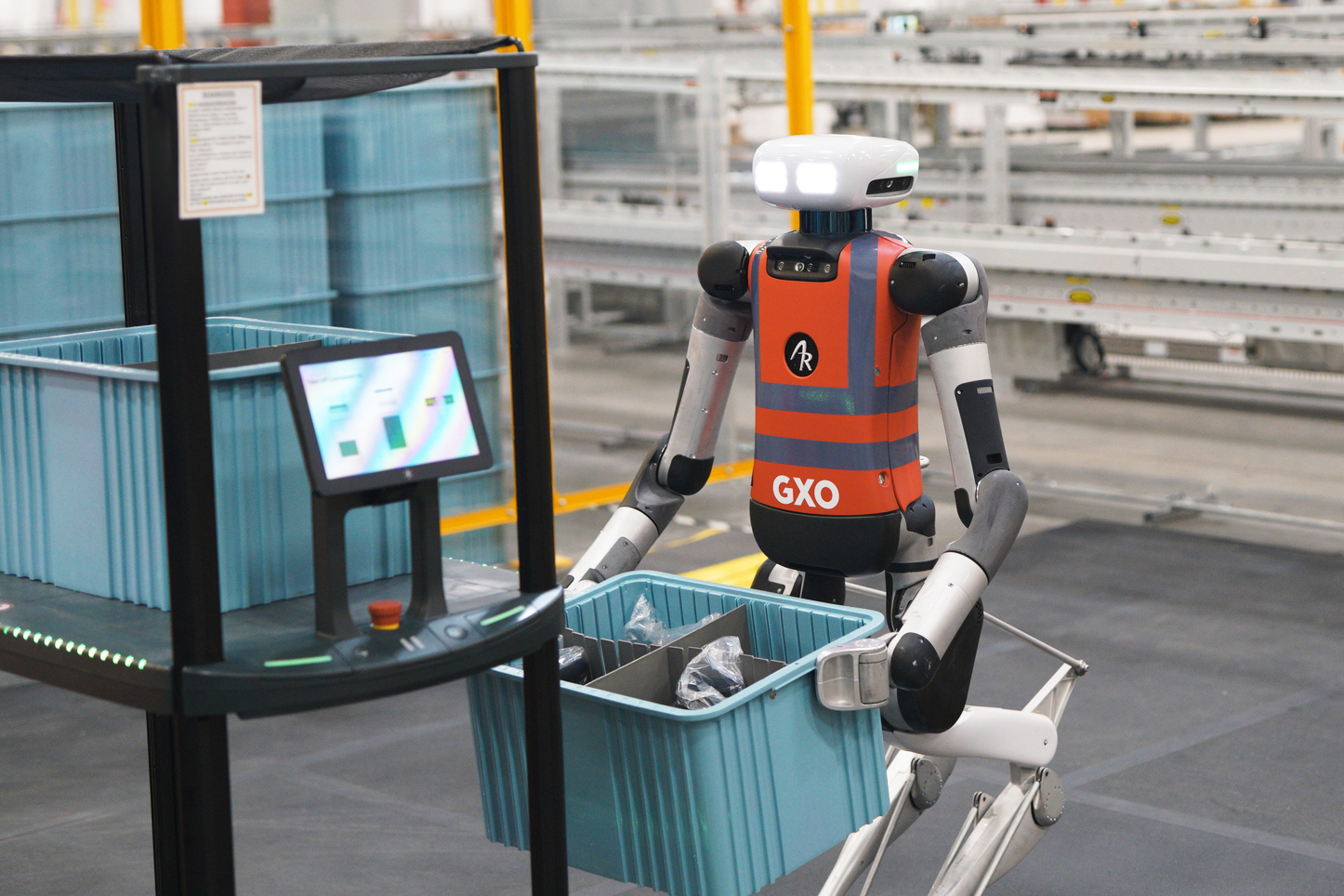
We talk to Antony Hayes, Chief Information Officer for Europe at GXO, about the benefits and challenges of implementing robotics and automation in logistics processes.
Michał Koralewski: What innovative logistics solutions is GXO currently implementing or planning to implement in the near future?
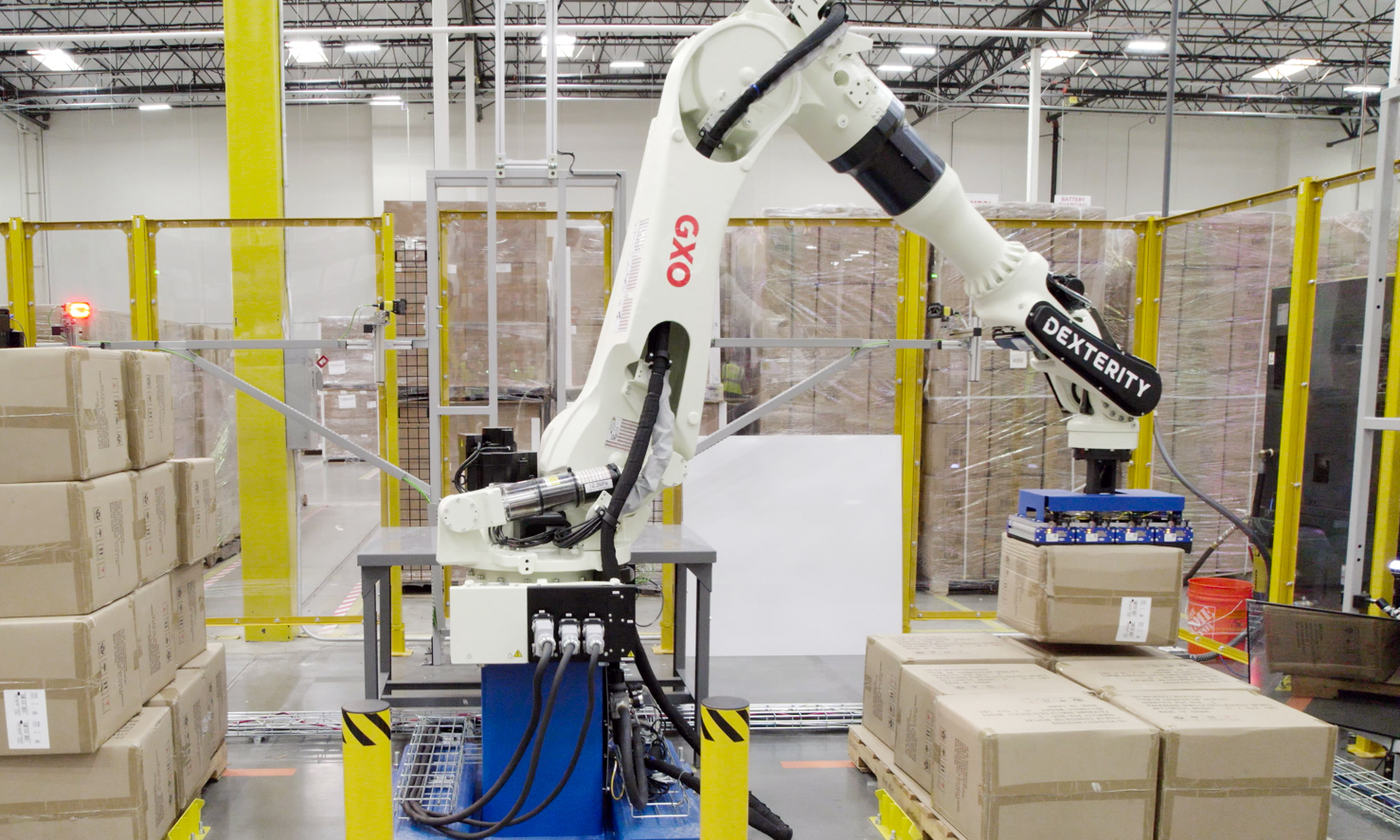
Antony Hayes: We are currently introducing more automation and robotics than ever before. This includes cobots (collaborative robots), robots, vision scanners, automated guided vehicles (AGVs), autonomous mobile robots (AMRs), and goods-to-person robots. The benefits they provide are breakthrough solutions for our customers and employees. The main advantages are increasing the safety of warehouse operations, their productivity, efficiency, and cost-effectiveness, which is particularly important in times of high inflation, while simultaneously developing the skills of our employees.
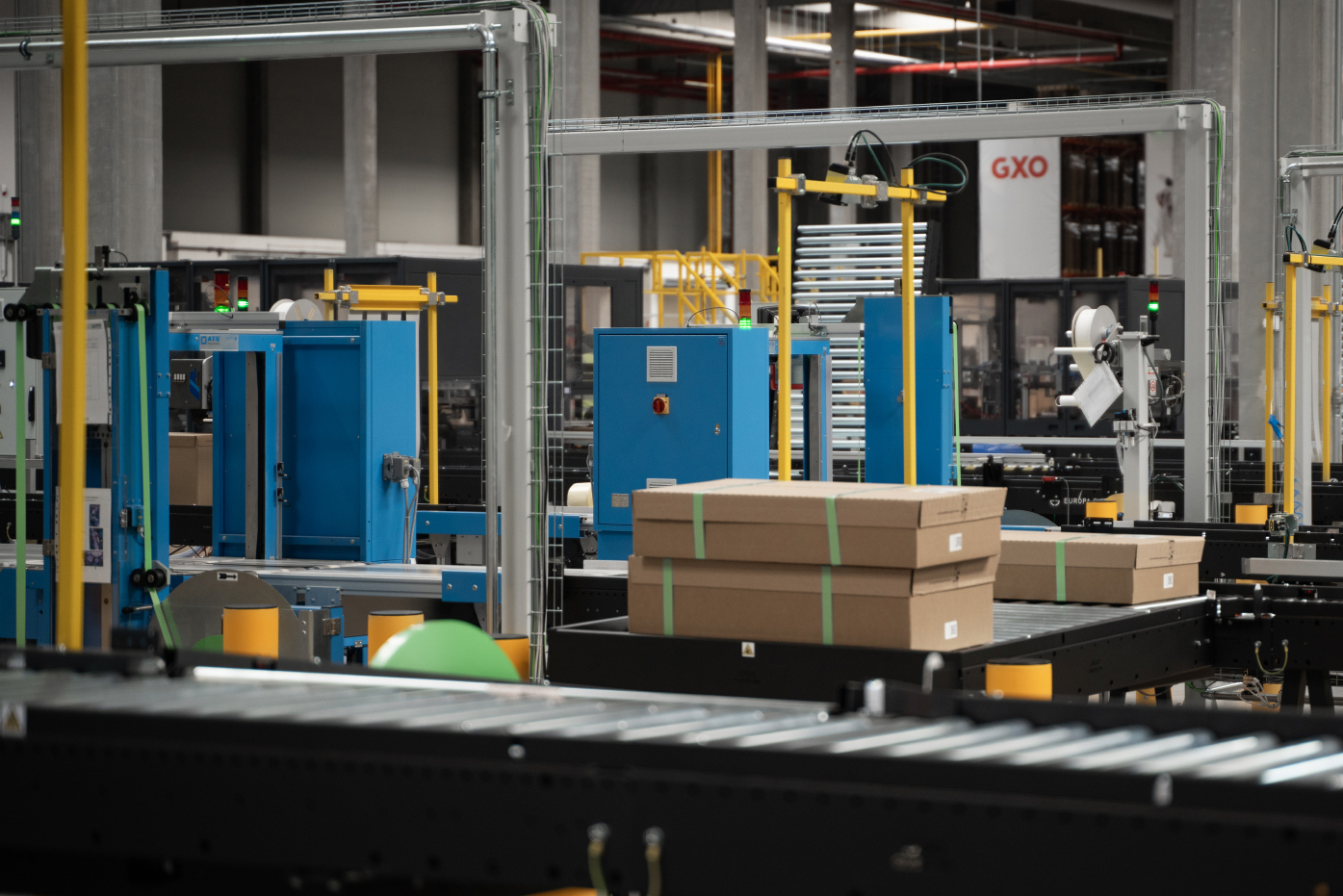
For example, at our logistics center in Bor, Czech Republic, we implemented the I-pack automation solution, which reduces the amount of cardboard needed to prepare orders for a leading online pet supply platform. Each of the six carton sealing machines can not only handle up to 700 cartons per hour but also reduce their size to more accurately fit the packed product. As a result, each shipment can handle 30% more orders. Additionally, the device has relieved over 10 employees who, instead of repetitive tasks, can perform higher value-added work at other warehouse stations.
Globally, 30% of our revenue comes from automated solutions, while the industry average is just 8%. In the first quarter of 2023, GXO set a new record for operational technology deployment, increasing our total number of technologies and automated solutions by 64% year-over-year.
Our goal in introducing technology and automation is to meet the specific needs of our customers. We start by identifying the customer’s challenges and goals, and then we develop a custom solution to ensure they invest in a way that maximizes the competitive advantage that logistics will provide to their business.
Implementing a solution is just the beginning. We are constantly evaluating technologies that are evolving faster than ever. We take a multi-year perspective on the development of each customer’s business and how investment in logistics will affect it. Companies need logistics operators they can trust to guide them through a large-scale technological assessment.
M.K.: What benefits do contract logistics operators gain from using robotics and automation in logistics processes, and what challenges must they overcome?
A.H.: Every day, we look for opportunities to improve the quality of service for our customers.
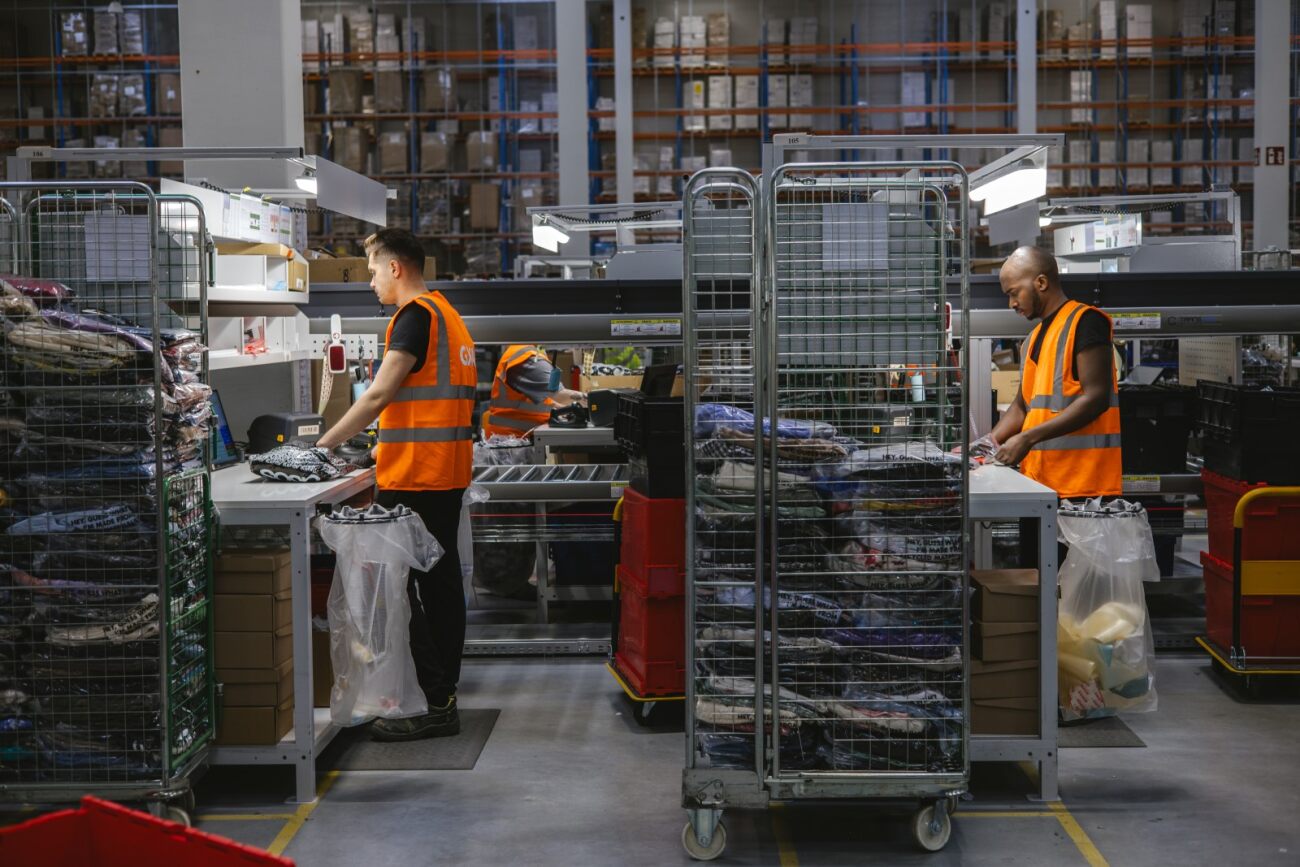
Our engineers evaluate the most appropriate technologies to optimize the flow of products through our warehouses based on the specific inventory profile and volume of each customer. For example, we recently transformed manual packing processes into a fully integrated and automated solution for a multi-channel fashion retailer. This improvement reduced the customer’s packing cost by 91% and their total cost by 18%. Beyond cost improvements, this conversion created a remarkable competitive advantage for the customer by reducing cycle times and improving service to the end consumer.
This is not an isolated example. As we introduce more automation, creating more advanced solutions, customer productivity increases. GXO typically accounts for less than 1% of our customers’ budget, while we can provide them with over a 10x return on investment through lower logistics costs, higher revenue, and faster inventory turnover.
Another benefit is the increase in service quality, safety, and employee engagement.
The biggest challenge is supporting customers in developing their vision so they can see the unique return on investment in technology and create excellent and sustainable supply chains.
M.K.: How do AI-based technologies affect supply chain optimization and management? What savings can be achieved through them?
A.H.: AI-based technologies can significantly improve the supply chain. I can give three short examples from our experience.
Körber’s Operator Eye is an AI-based solution that increases the efficiency of operating machines by tracking error patterns and autonomously minimizing downtime and human intervention in the picking process. Once Operator Eye gains enough knowledge from the operator, it automatically resets the machine, improving availability and performance.
Another example is our technology partnership with Robotic Assistance Devices. Together, we are developing advanced security solutions to improve the safety and efficiency of logistics operations. These devices perform a variety of tasks, including video surveillance and analytics, and provide virtual barriers and additional security for high-value product inventory; they combine robotics with advanced surveillance and video analytics, artificial intelligence, and software, and can perform repetitive tasks, often in remote locations, to support and extend human security efforts.
In collaboration with Datasparq in the UK, we have implemented AI solutions that have helped increase efficiency, generate savings, and reduce environmental impact by optimizing transport routes. For leading British retailer Iceland, improving route efficiency reduced the distance traveled from one warehouse by over 900,000 km per year, reducing diesel consumption by over 25,000 liters and reducing CO2 emissions by over 720 tons.
Artificial intelligence has huge potential to make logistics more efficient, productive, and cost-effective, and we are already seeing the effects of this in our operations around the world.
M.K.: What data security and privacy challenges must your company consider in the context of increasing automation and data collection in logistics processes?
A.H.: We believe that our ability to process data and act on it is a key competitive advantage and a differentiator for GXO, which is why we treat data as one of our most valuable assets.
Our materiality assessment, conducted in collaboration with an independent firm, showed that information security, including privacy and data protection, as well as the security of our IT systems and the data contained within them, is also a top priority for our customers, investors, and employees.
We ensure the security and protection of our data and comply with all national and international laws and regulations governing the collection, use, and storage of data.
M.K.: What steps are you taking to minimize risk and increase flexibility in contract logistics, especially in a volatile market environment?
A.H.: We approach all logistics issues from our customers’ perspective, asking ourselves how we can meet their challenges and support them so they can succeed.
By taking this approach, we created and developed GXO Direct, our shared logistics solution, which offers immediate access to high-quality space, technology, and services at lower costs.
In the current, rapidly changing market environment, companies are looking for scale and technology more than ever, as well as the flexibility and experience that a logistics operator can provide by supporting their growth plans while minimizing operating costs. This is exactly what we offer through GXO Direct, regardless of the customer’s size, from startups to global companies. We can provide flexible space, rapid deployment of custom solutions, returns management, and full product value recovery, all in a cost-effective package.
M.K.: What actions is GXO taking in the context of sustainable development in logistics, and are there goals regarding emission reduction and increasing energy efficiency?
A.H.: At GXO, we are guided by the belief that how we operate is just as important as what we do.
Our leadership is focused on material, ambitious, yet achievable ESG goals that are part of GXO’s business strategy. In other words, we view ESG as a true competitive advantage, which is reflected in our ambitious environmental goals. These include achieving 80% of global operations using LED lighting by 2025, an 80% global reduction rate in landfill waste by 2025, a 30% reduction in greenhouse gas emissions (Scope 1 and 2) by 2030 compared to a 2019 baseline, 50% renewable energy globally by 2030, and 100% carbon neutrality (Scope 1 and 2) by 2040.
We are working hard to achieve these goals. We work with customers around the world to help them achieve their own sustainability goals through a wide range of activities, including cleaning, sorting, repairing, and refurbishing products instead of sending them to landfills. We also recycle warehouse waste, including corrugated cardboard, wooden pallets, and plastics; we adjust packaging sizes to use less material and truck load space, and we install high-volume, low-speed (HVLS) fans, which are more efficient than air conditioners.
M.K.: In what other ways can logistics operators integrate contract logistics with sustainability efforts (for example, through the use of eco-friendly packaging or more efficient delivery routes)?
A.H.: Many innovations in logistics contribute to increasing commitment to sustainability issues in our industry and for our customers.
I previously mentioned the use of artificial intelligence to optimize delivery routes, as well as other innovations that are revolutionizing the way we approach sustainability.
To give a few examples from Central Europe, I can mention our logistics center in Kutno, Poland, where we implemented a pallet racking system for Kellanova. The system improves storage density and efficiency, shortening the palletizing process by 90%, reducing plastic consumption by 85%, and improving ergonomics and employee safety.
Another example is the logistics center in the Czech Republic, which I mentioned earlier.
In addition to adapting the warehouse to BREEAM requirements through the use of LED lighting and solar panels to increase the facility’s energy efficiency, we have also successfully reduced, and in some cases even eliminated, the use of paper and plastic for package filling by implementing automated height-reduction machines for nearly 99% of orders.
M.K.: By leveraging technology, scale, and experience in global supply chains, logistics operators can help their customers adhere to the 3R principles: reduce, reuse, and recycle. How do the logistics centers of the future help customers realize the principles of a circular economy?
A.H.: The circular economy focuses on maximizing value while minimizing waste at every stage of the cycle, so highly efficient supply chains play a natural and important role in its functioning.
Although many elements of logistics can be optimized for energy and resource consumption, one area deserves special attention. This is returns logistics management, where GXO has great experience.
A returned product loses value with every day spent in the warehouse instead of at the point of sale. As the product’s value decreases, the likelihood that it will be significantly discounted or sent to a landfill increases. That is why efficient returns logistics is so important in an economy where there are more and more returned products.
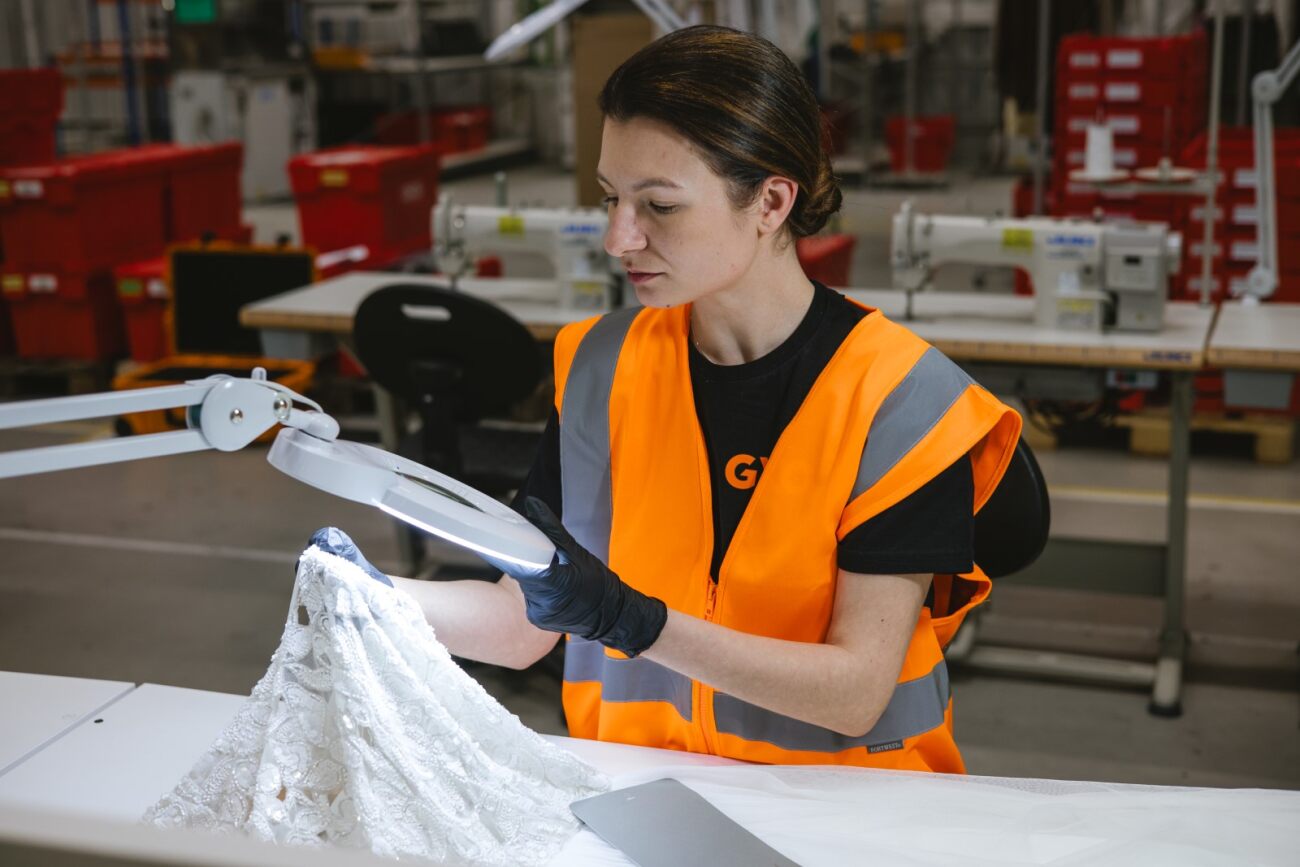
In the fashion industry, as many as four out of every 10 products purchased online are returned. To help our customers effectively manage these returns, we offer advanced automated solutions, such as scanning cameras that quickly scan returned items for defects and then seamlessly sort them according to the level of refurbishment required for resale.
Our logistics center in Poznań, dedicated to full product value recovery, has been equipped with on-site developed equipment that streamlines goods recovery processes through sewing, odor removal, shoe repair, and steam stain removal. These devices speed up the returns process and help our customers recover the maximum value of returned items.
Another example of maximizing return value is our partnership with children’s clothing brand Polarn O.Pyret (PO.P). Together, we developed a new supply chain model that enables the resale of used clothing. Through a dedicated platform, upon receiving a returned product, we begin the process of restoring its full value to ensure it is resold in the best condition. Items are sorted and given a new barcode for identification, and if necessary, undergo light repairs, then are professionally photographed, classified by their condition, which allows for appropriate pricing, and are packed, stored, and prepared for resale.
Effective returns management also contributes significantly to sustainable development.
According to BBC Earth, product returns worldwide generate approximately £5 billion in waste each year. All this waste causes greenhouse gas emissions that can be reduced through efficient warehouse operations.
For the circular economy to succeed, manufacturers and retailers will need to rethink how they produce and distribute their products, not only to achieve their own financial and sustainability goals but also to meet the expectations of end customers.
GXO is committed to supporting its customers in achieving success in the circular economy. Our experience in returns in the fashion, consumer electronics, and other industries is already yielding remarkable results: 96% of all returns are resold, about 3% are donated to charity, and less than 1% go to landfills. We have the technology, scale, and experience necessary to optimize returns logistics, reduce costs, increase efficiency, and improve the overall shopping experience while supporting the circular economy.
M.K.: What new technological solutions will dominate the logistics market in 2024?
A.H.: Over the last 12–18 months, new commercial models have emerged that make warehouse automation more modular and accessible through the use of adaptive technology. These are mainly technologies such as AMRs and robotics, which require little infrastructure and can be deployed where they are needed and when they are needed.
In the current situation, where customers want to reduce their costs, there are many opportunities to implement adaptive technology solutions, which usually have low or even zero upfront costs, thus providing a faster return on investment and the ability to move them between different locations.
At the same time, we are seeing advances in artificial intelligence that will create more opportunities for automation in the warehouse, and we do not foresee this trend slowing down.
Due to global demographic trends and the increasing cost-effectiveness of technology, the development of automation will continue to accelerate. GXO can identify the most advanced and efficient technologies offered by the best suppliers on the market. By leveraging our scale, experience, and expertise to increase cost efficiency, we make this process as simple and accessible for our customers as possible.
Article originally published in Logistyka magazine 1/2024.