








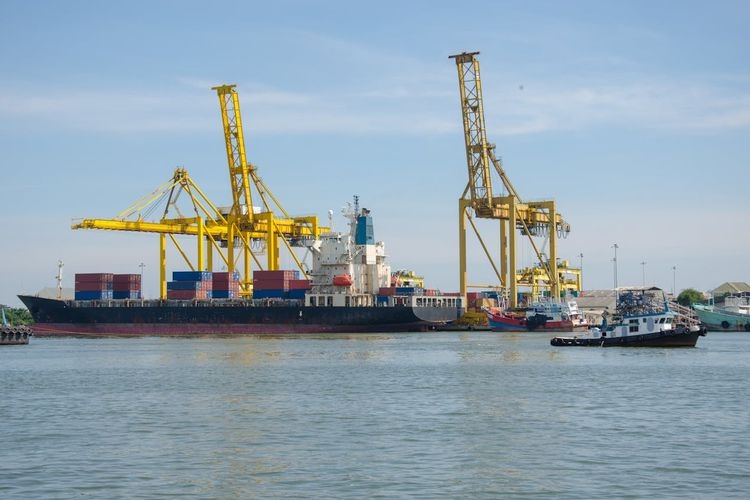
Shipping goods by sea is a complex process that requires precise planning and an understanding of many logistical aspects. Sea transport is one of the most popular and cost-effective ways to move large quantities of goods over long distances. Proper preparation for this type of transport helps minimize risks associated with cargo damage and delivery delays. To ensure the safety of your shipment, it is essential to pay attention to key elements such as procedures, required documentation, and appropriate insurance.
Procedures related to sea transport
Shipping goods by sea requires going through a series of procedures aimed at ensuring safety and compliance with international regulations. Each stage of the logistics process must be meticulously planned and executed to avoid issues that could affect delivery timelines.
First and foremost, you must choose the right sea carrier. It is worth considering their experience and the feedback from other clients. The next step is to establish a transport schedule, which accounts for the time required for loading, transit, and unloading of goods. It is also important to remember to properly label the shipment, which facilitates identification and tracking in case of any issues. You can learn more about sea transport at: https://www.terramar.pl/transport-morski/.
Documents required for shipping goods by sea
Every sea shipment requires a set of documents necessary for its execution. Their completeness and accuracy affect the speed and smoothness of the transport process. Among the most important documents are the bill of lading, commercial invoice, and quality certificates for the goods.
The bill of lading is the primary document confirming the contract of carriage between the shipper and the carrier. The commercial invoice, in turn, contains detailed information about the value and quantity of the goods, which is essential for customs purposes. Quality certificates for goods are required for certain products, especially those subject to strict import regulations.
Sea transport insurance
Insuring a sea shipment is a key element that provides protection against potential financial losses resulting from damage to or loss of cargo. The choice of appropriate insurance depends on the value of the shipment, the type of goods, and the specifics of the transport route.
There are several types of insurance to consider. The most popular are all-risk insurance, which covers a wide range of events, and specific risk insurance, which focuses on selected situations such as theft or mechanical damage. It is advisable to consult with an insurance advisor to choose the policy best suited to your needs.
Alternatives to sea transport
Although sea transport is often chosen for its cost-effectiveness, there are other methods of transporting goods that may be more suitable depending on specific needs. Rail transport is a good alternative for shipments within a continent, offering a relatively shorter delivery time compared to sea transport. More information on this topic can be found, for example, at: https://www.terramar.pl/transport-kolejowy/.
Air transport, while more expensive, is the fastest way to move goods over long distances, which can be crucial for products with a short shelf life. More on this subject can be found at: https://www.terramar.pl/transport-lotniczy/.
Choosing the right mode of transport depends on many factors, such as delivery time, cost, and the characteristics of the goods being transported. Therefore, it is worth carefully analyzing all available options before making a decision.