Extending the lifespan of clothing by users is the most important element of the circular economy in the fashion industry. The value of clothing that ends up in landfills is estimated at 460 billion USD. Between 2000 and 2015, total clothing sales doubled, reaching 100 billion units. The value of the second-hand market in the USA is estimated at 9 billion USD. By 2025, growth is expected to exceed 47 billion USD.
The Problem
Estimates published in the “Thred Resale Report 2021”, referring to the US market, show that if every American purchased one piece of second-hand clothing instead of new clothes, it would result in the following savings:
– a reduction in CO2 emissions by 3.6 million tons,
– a reduction in water consumption by 100 billion liters,
– a reduction in waste accumulation by 200 million kg, which corresponds to 18,700 full trucks.
The activities of the American marketplace thredUP, which has been operating since 2009, contribute to solving this problem. It is one of the largest platforms offering used women’s and children’s clothing and accessories from various brands. In 2018, thredUP’s turnover amounted to 129.6 million USD, in 2019 – 163.8 million USD, and it ended 2020 at a level of as much as 186 million USD.
The Solution
All processes related to the physical handling of received second-hand clothing and its preparation for sale take place in warehouses operating within the distribution network, where approximately 1,500 employees are employed 6 days a week. Thousands of items arrive at thredUP warehouses every day, with the daily volume of processed clothing items reaching 100,000. Sellers registered on the platform send clothing (regardless of the brand) to the thredUP headquarters free of charge. The company processes individual items, performs quality control, valuation, creates catalog listings, and stores the clothing. Buyers have access to a full offer of a constantly changing assortment at a reduced price from clothing brands such as GAP, Banana Republic, or Athleta.
Sales Rules
1. After receiving deliveries at the warehouses, the clothing is sorted, selected, and prepared for resale. This stage includes taking photos, quality assessment, and valuation of each item.
2. In the case of items sold by thredUP, sellers receive cash, online credit points, or a special confirmation of donating the payment to charity through charitable organizations.
3. The thredUP sales platform uses an internal 12-step quality control procedure.
4. Items that are not listed in the online catalog go to stationary second-hand clothing stores or companies dealing with textile recycling. Sellers can also opt for a flat-rate service option.
In 2018, the company expanded its scope of operations to include the Resale as a Service, allowing brands and retailers direct, personalized access to the platform.
Advantages for retailers
The primary value for retail stores resulting from integration with the platform is the ability to acquire new customers and maintain their loyalty.
In this way, they can:
– offer special vouchers in cooperation with thredUP,
– attract the interest of the younger generation with their offer thanks to low prices,
– increase traffic (and thus turnover) on their website or in a stationary store, thanks to the ability to update stock levels and offer new items.
Advantages for brands
Brands can offer their customers special packages (Clean Out Kits), allowing them to receive bonuses in the form of gift cards for specific brand stores.
Advantages for buyers
In addition to the possibility of purchasing branded clothing at a reduced price, the benefits for buyers also include non-financial aspects, such as the satisfaction associated with an individual contribution to environmental protection.
Developed based on:
– https://ellenmacarthurfoundation.org/circular-examples/keeping-clothing-in-use-to-save-us-money-and-reduce-waste-thredup
– https://www.thredup.com/resale/#resale-industry
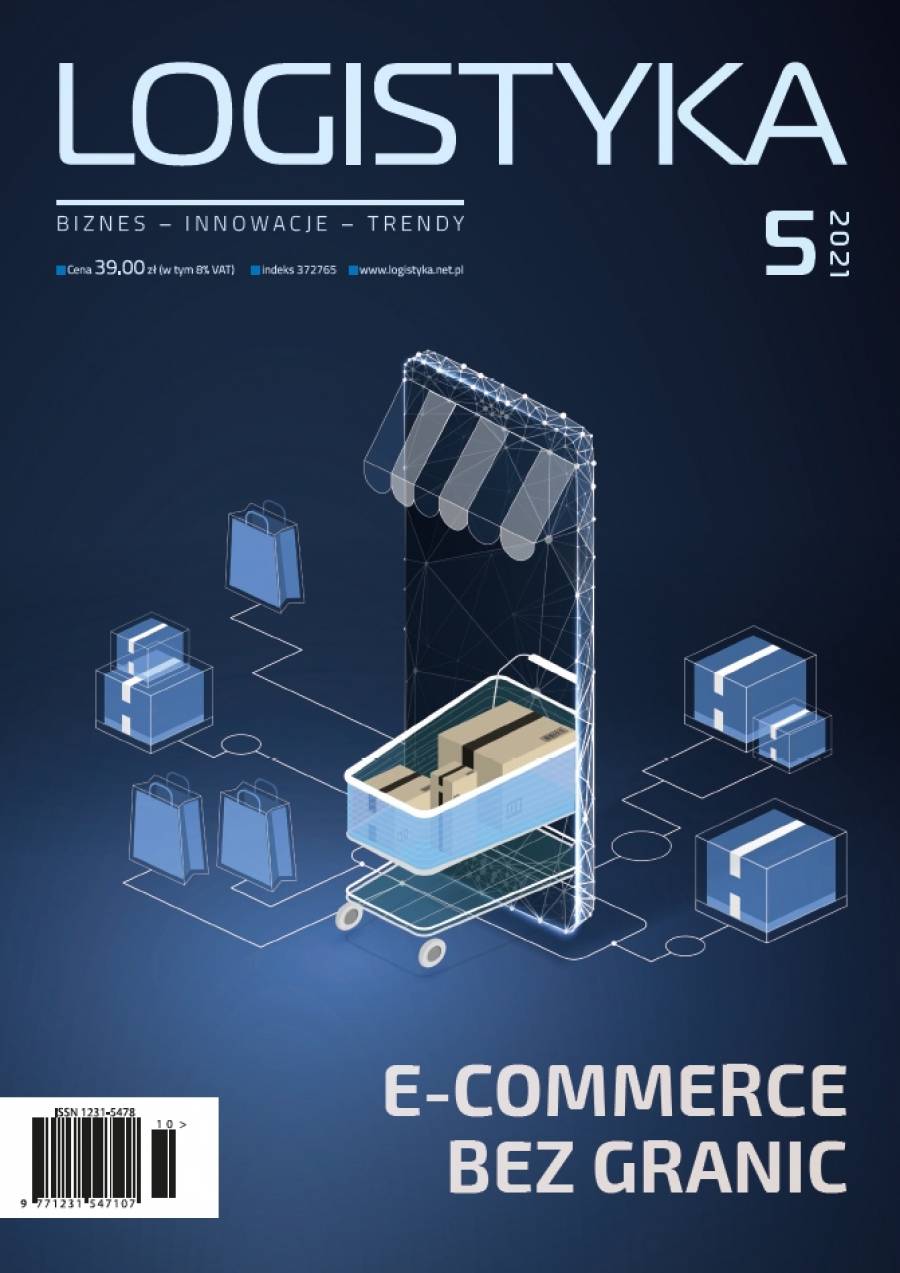
The article comes from the magazine LOGISTYKA 5/2021.
The e-edition of the magazine is available in our offer!
Stay up to date, subscribe to the LOGISTYKA magazine!