








Data from the Gemius report – “E-commerce in Poland” – shows that as many as 79% of internet users declare that they shop online. This fact not only illustrates the scale of digital transformation in retail but also lays the foundation for the thesis that today’s customers expect more than just convenience – they want flexibility tailored to the rhythm of their lives.
Over the last few years, e-commerce has undergone a transformation whose pace is difficult to compare with any other industry. This phenomenon has been driven not only by the growing demand for online shopping but also by social, economic, and technological changes. Logistics, once the backbone of trade, has become one of the key elements of the customer experience. It is the way a package reaches the recipient that increasingly determines their loyalty to the seller.
New consumer priorities in e-commerce deliveries
For years, the primary customer expectation was convenience – fast delivery to home or work. However, as the importance of online shopping has grown, it has become increasingly clear that not only time, but also flexibility and accessibility play a decisive role. Consumers want to choose for themselves where and when they will pick up their orders. The modern lifestyle, based on busy schedules, frequent travel, and remote work, makes the ability to tailor the delivery method to individual needs more important than traditional “convenience”.
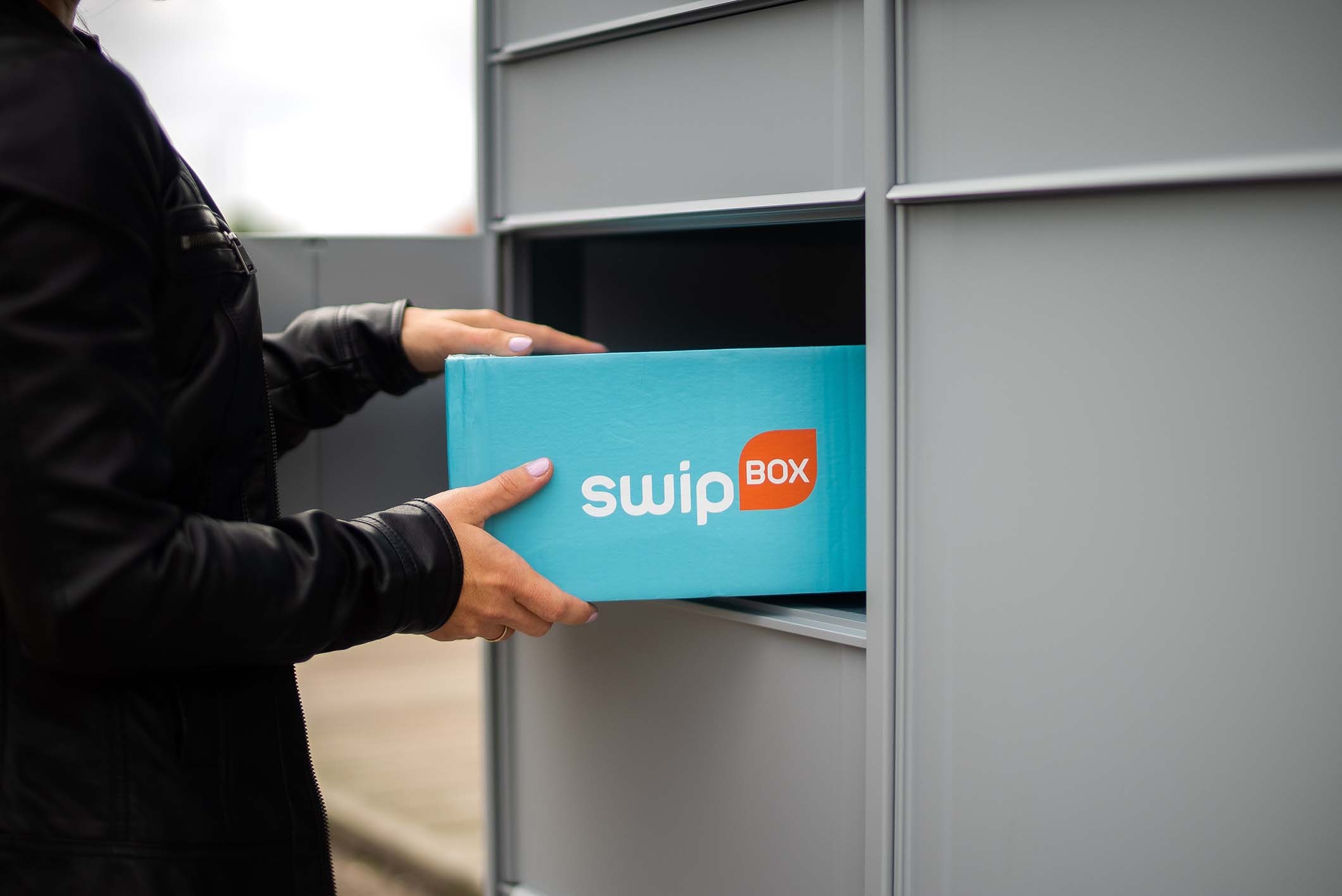
This shift in focus has forced a profound change in logistics infrastructure. Distribution centers have ceased to be mere warehouses and have begun to act as intelligent hubs managing the flow of goods in real time. Increasing importance is being placed on process automation, but the network of end points – from parcel lockers to partner stations – which shorten the distance between the seller and the customer, is becoming equally important. Distributed logistics, instead of one large center, is now based on many smaller nodes and a dense network of collection points, which allows for better response to consumer needs while simultaneously relieving congested cities.
Changing customer priorities also pose a challenge for logistics companies and technology operators. On one hand, there is growing pressure for efficiency – both in terms of cost and the environment – and on the other, for service personalization. Consumers expect their package to be available in a convenient location, within a flexible time slot, and, if necessary, for a quick return to be possible. Such an approach requires tools that integrate various delivery channels, allow for dynamic management of the fleet and the network of collection points, and ensure full transparency of the entire process.
Solutions based on micrologistics
It is worth noting that in cities, logistics must face additional constraints. Increasing building density and traffic congestion hinder efficient distribution, and local regulations increasingly impose restrictions on heavy transport. The answer lies in solutions based on micrologistics, where smaller vehicles, intelligent planning systems, and last-mile automation allow for reduced emissions and shorter delivery times. In smaller towns or rural areas, on the other hand, it is crucial to create scalable solutions that are accessible regardless of the distance from the distribution center.
Another factor driving change is the growing environmental awareness of consumers. They are increasingly choosing collection options that generate a smaller carbon footprint, even if they involve a slightly longer waiting time. Operators must therefore design their solutions to combine speed and convenience with environmental efficiency. A key role here is played not only by route optimization or fleet electrification but also by building dense networks of collection points that reduce the need for individual home deliveries.
E-commerce logistics is entering an era where those players who can provide maximum flexibility with minimal effort on the user’s part gain an advantage. Technological innovations, from intelligent lockers to advanced delivery management algorithms, have one common goal: to make the process of picking up a package as natural and intuitive as clicking “buy now”. This is no longer just logistics supporting trade, but the foundation of the entire shopping experience.
The future of the industry will therefore belong to solutions that combine wide reach with ease of use, flexibility with reliability, and innovation with environmental responsibility. The consumer no longer has to choose between convenience and flexibility – they expect both elements simultaneously. Companies that can redefine logistics in this way are setting the direction for the development of the entire e-commerce industry.
Source: SwipBox Poland