









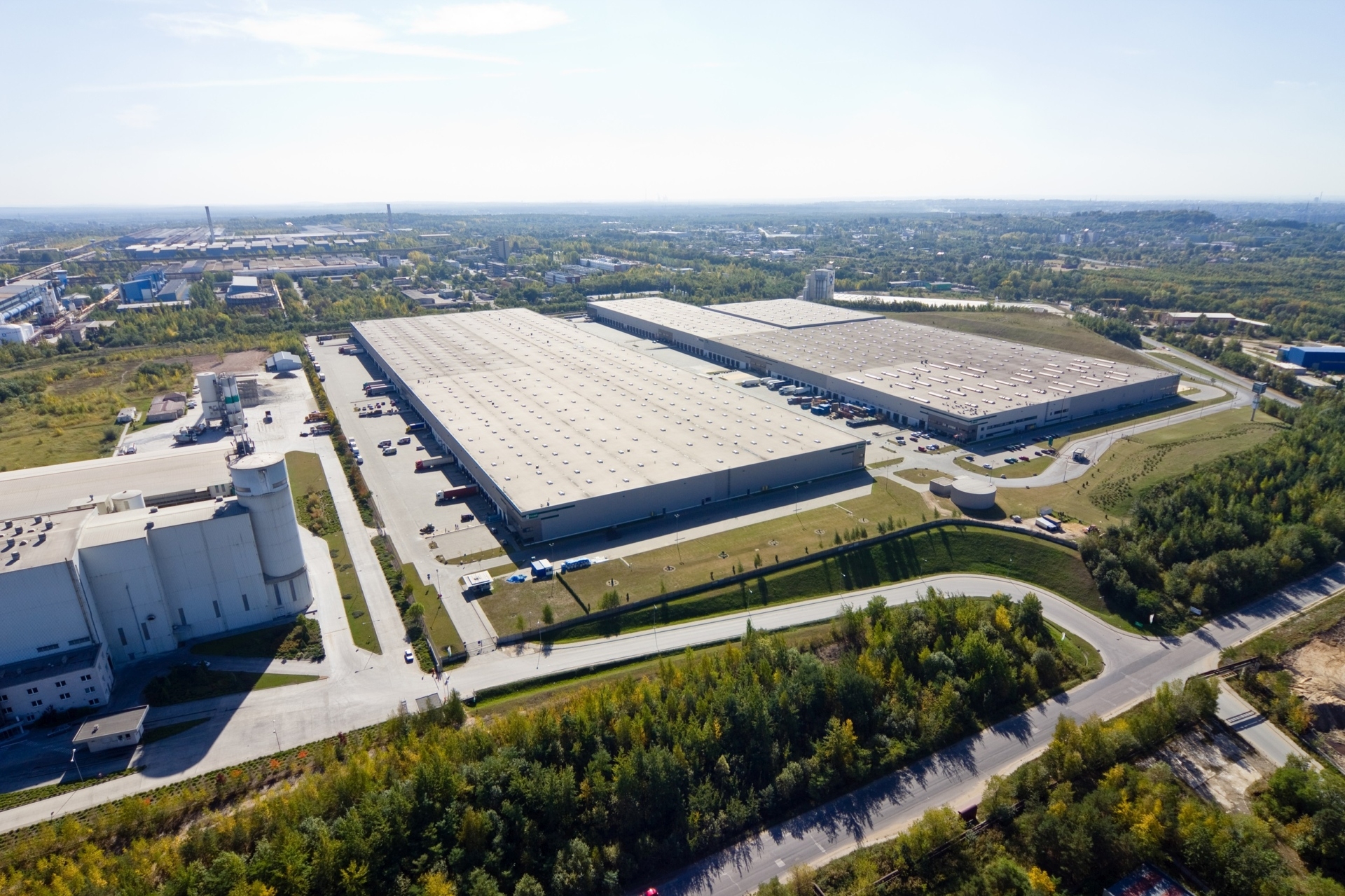
Prologis, in collaboration with DHL, has completed a project to modernize the heating system at the DHL warehouse located at Prologis Park Dąbrowa. The previous gas heating system has been replaced with a fully electric system based on heat pumps. The investment eliminates the use of fossil fuels delivered directly to the facility, which spans nearly 25,000 square meters and has been operated by DHL since 2004. The previous gas-based system generated approximately 186 tons of CO₂ emissions annually.
The new, fully electric 715 kW heat pump installation significantly reduces the facility’s operational emissions. This solution supports DHL’s sustainability strategy, which aims to decarbonize the buildings used by the company through the application of energy-efficient technologies.
Higher operational efficiency and user comfort
The use of heat pumps brings tangible environmental benefits and improves the daily operation of the warehouse and working comfort. The new system is responsible for both heating and cooling, enabling stable temperature management inside the building throughout the year – including in the summer. A central control system allows for precise adjustment of the installation’s operating parameters to the current operational needs of the warehouse.
“The project concerns both the way our warehouse at Prologis Park Dąbrowa functions and its contribution to achieving our climate goals. Reducing emissions from the facilities we use is an essential element of DHL’s approach to sustainability, and the electrification of heating in existing locations is an important step in this process.”
– said Karol Zalewski-Biziuk, Country Facility Management Lead at DHL.
Project implemented under Prologis Essentials
The project to implement heat pumps at the DHL warehouse was carried out under the Prologis Essentials platform, which offers a wide range of services enabling the adaptation of warehouse space to the changing operational and technological needs of customers. The offer includes energy efficiency solutions, including support for transitioning to heat pump systems, as well as the installation of mezzanines and racking systems, or the implementation of modern automation systems. Thanks to Prologis’ global scale of operations, customers gain access to modern warehouse technologies and comprehensive solutions implemented on preferential terms, while maintaining high technical and operational standards.
“The starting point for every Prologis Essentials project is a detailed analysis of how the building is used and the customer’s actual needs. In the case of DHL, the key was to design a solution that would enable a move away from gas heating while supporting operational continuity and carbon emission reduction goals.”
– said Michał Tasior, Essentials Solutions Manager at Prologis.
Prologis was responsible for comprehensive project management – from the conceptual stage, through the selection and purchase of equipment, to the installation of the entire system. Everything was carried out in close cooperation with the DHL team at every stage of implementation. Thanks to experience in managing such projects and expert support, the modernization was carefully planned and carried out without disrupting the ongoing operations of the facility.
Heat pumps as a new standard in the logistics market in Poland
The project implemented at Prologis Park Dąbrowa in Dąbrowa Górnicza sets the direction for a broader change in the Polish logistics real estate market. Heat pumps are becoming a new standard, implemented both in new facilities and those already in existence. Fully electric heating systems are increasingly being included in the technical specifications of new warehouses, and retrofit projects are beginning to appear in response to the efforts of developers and customers to achieve energy independence from gas and the need to adapt buildings to changing energy and regulatory requirements.
Source: Prologis