









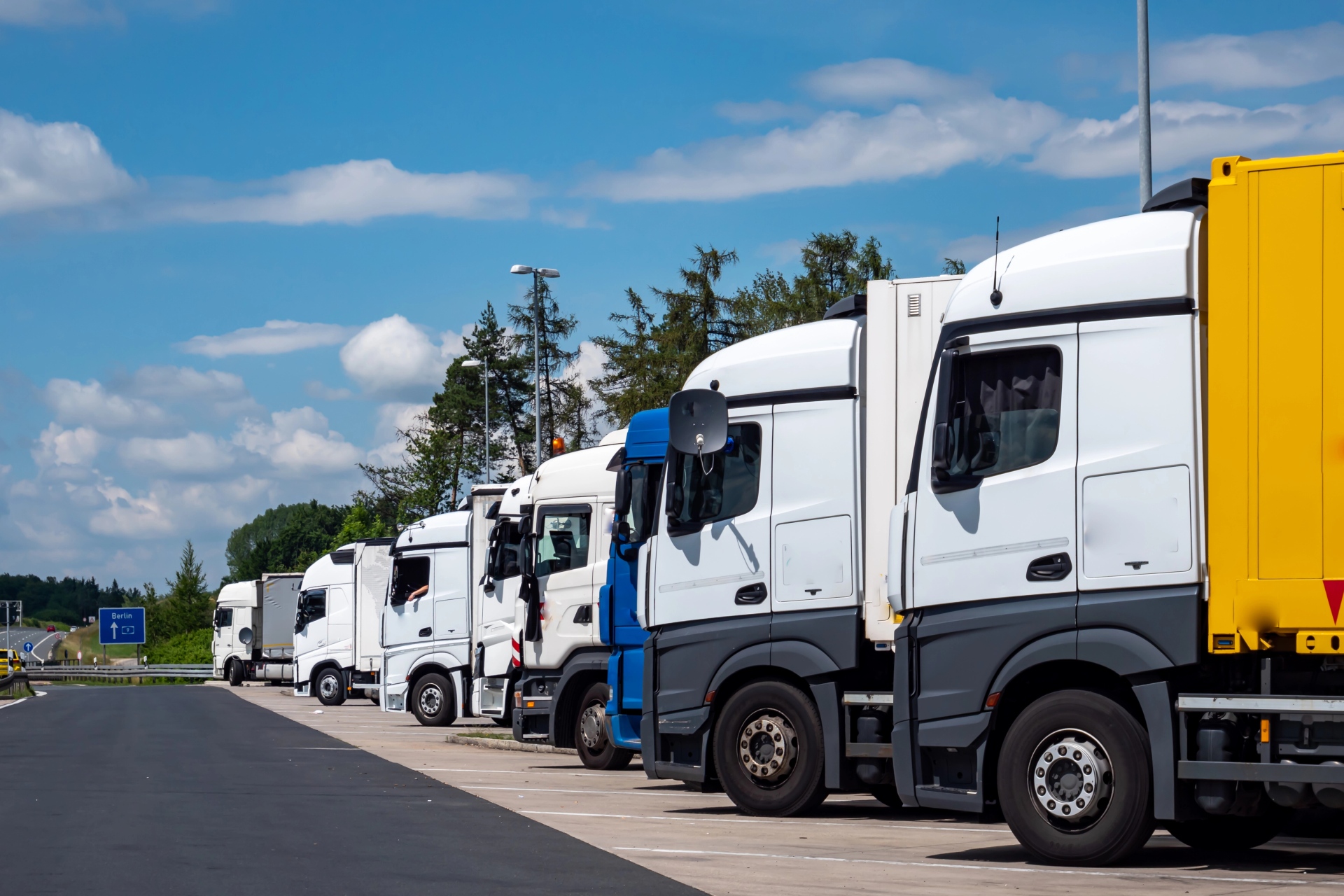
There is currently a shortage of over 390,000 secure truck parking spaces in the European Union, and according to European Commission forecasts, this gap could grow to nearly half a million by 2040. For transport companies, this means not only organizational difficulties but also a higher risk of cargo theft, delivery delays, and increased operating costs. Experts at Malcom Finance point out that access to secure parking infrastructure is becoming one of the key elements affecting the efficiency and resilience of European supply chains.
A few years ago, a parking lot was primarily a place for a driver to rest. Today, it is also becoming an element of risk management in transport. For many shipments, the value of the cargo is counted in the hundreds of thousands or even millions of zlotys. Therefore, the parking location has a direct impact on the safety of the carrier, their client, and the entire logistics process – says Marcin Wawrzkiewicz, Country Manager at Malcom Finance in Poland, a company offering instant factoring for the TSL industry.
According to the latest European Commission study, there is currently a shortage of 390,057 secure truck parking spaces in the European Union, and if current trends continue, the deficit could rise to 483,000 spaces by 2040. At the same time, only a small fraction of existing infrastructure meets European standards for certified Safe and Secure Parking Areas (SSPA), which further limits the options for drivers to park safely and protect transported cargo.
Thefts cost European carriers billions
The scale of the cargo theft problem is alarming. According to data from the Transported Asset Protection Association (TAPA EMEA), the total value of stolen cargo recorded in the EU in 2023 amounted to 549 million euros: an increase of 438% compared to the previous year and more than ten times higher than in 2021. A European Parliament study estimates that cargo crime costs European companies over 8.2 billion euros annually. Over two years, up to March 2026, the TAPA system recorded nearly 39,000 incidents in 50 countries, which translates into losses exceeding 1.16 billion euros, or an average of 1.59 million euros per day. Poland ranks 6th in the EMEA region in terms of the number of recorded cargo thefts.
Malcom Finance experts emphasize that the development of secure parking lots is not just a matter of driver comfort today. It is an element of reducing operational risk, protecting transported goods, and building the resilience of the entire transport sector.
Polish infrastructure is not keeping pace with the growth of transport
Poland is one of the leaders in European road transport and plays a key role on the continent’s main logistics routes. According to Eurostat data, in 2024, Polish carriers were responsible for nearly 20 percent of all road transport in the European Union, maintaining their leading position ahead of Germany and Spain. In total, they performed transport operations with a volume of 368 billion tonne-kilometers, which was the highest result among all EU countries.
At the same time, over 64 percent of the transport work of Polish road transport is carried out in international shipments, which shows the importance of Poland as one of the main European logistics hubs. However, as the number of shipments grows, so does the importance of infrastructure that has been on the back burner for years: secure parking spaces, but also software enabling, among other things, the verification of the payment credibility of foreign contractors.
The scale of the challenge is particularly significant for Poland, through which some of the most important European transport corridors run. The General Directorate for National Roads and Motorways currently manages 289 Service Areas (MOP), and in the coming years, it plans to build 136 new facilities. The very scale of the planned investments shows that the problem of the availability of secure parking spaces remains one of the greatest infrastructure challenges for the transport sector.
The development of secure parking lots should be seen as an investment in the resilience of the entire transport sector. Protecting drivers and cargo is one of the pillars of safe transport, but it is equally important to reduce risks that could disrupt the functioning of the company. Operational security and financial security increasingly go hand in hand today – emphasizes Marcin Wawrzkiewicz.
Source: Malcom Finance