








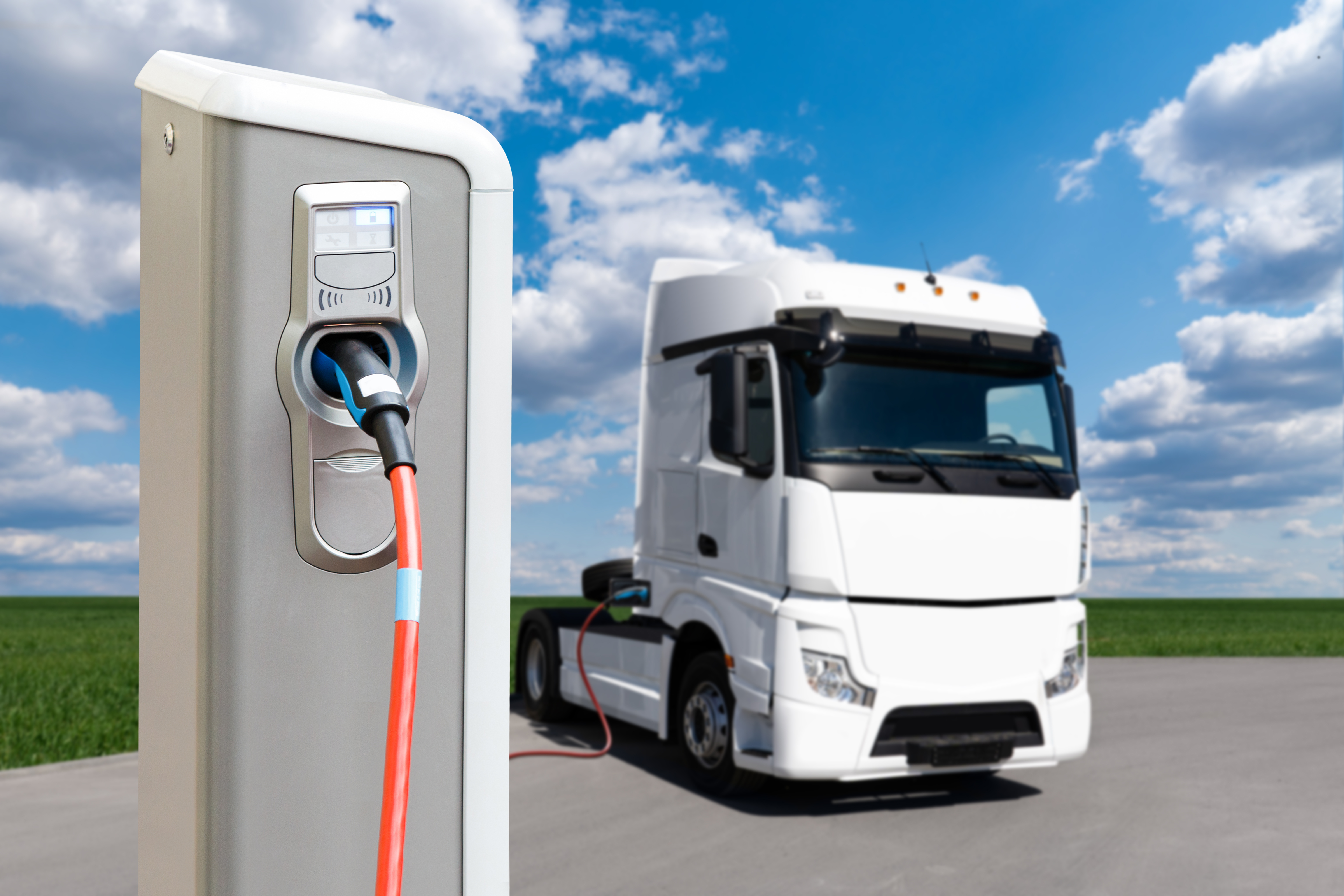
The development of electric truck fleets is considered one of the key solutions for the decarbonization of transport and supply chains. Girteka, the largest European road carrier based on service digitalization, is involved in efforts to electrify freight transport. Now, sharing its experience, Girteka has summarized the benefits of implementing an innovative solution that combines electric trucks with intermodal transport. To support other companies in making decisions about switching to electric vehicles, Girteka has also released the first-of-its-kind BEVI simulation tool.
Electric vehicles in an intermodal system
Thermomax, a Norwegian transport company belonging to the Girteka Group, provides freight transport services for a client in the Trondheim region (Norway) using battery-powered electric trucks from Volvo Trucks. The solution is based on an effective yet simple strategy of combining BEV technology with intermodal rail transport. Cargo deliveries are carried out by electric trucks over an average distance of approx. 150 km, from the railway station to the warehouse, in an intermodal system.
Constant energy consumption monitoring
One of the advantages of modern truck technology and advanced telematics is the ability to constantly monitor performance. All data is analyzed and shared, which gives logistics companies and their clients the ability to control cargo transport.
Such data is also collected in the case of operations conducted by Girteka in the Trondheim region, including, among others, performance and engine behavior. Using this data allows for the analysis of energy consumption levels depending on distance, the drive used, average energy consumption parameters, and its regeneration.
Over five months, during deliveries, the electric Volvo truck consumed a total of 12,600 kWh (excluding charging). Although daily vehicle operation varies depending on specific conditions, the system analyzes average energy consumption based on 100 km traveled.
From November 2023 to March 2024, average energy consumption hovered around 150 kWh per 100 km. It varied depending on the temperature, however, on an annual scale, it is expected that average energy consumption will be lower than in the winter period. In total, over 330 hours of driving, with an average speed of 42 km/h and cruise control usage of over 30%, the electric truck covered over 8,000 km.
– At Volvo, we believe in the power of collaboration to develop electric truck technology and enable our customers to electrify their transport operations. Close cooperation with logistics companies, such as the Girteka Group, allows us to obtain feedback that is crucial for improving our electric trucks. This partnership approach ensures an understanding of the industry’s needs and challenges, which enables us to jointly develop more efficient and sustainable transport solutions – says Stefan Widlund, Electromobility Director, Volvo Trucks.
Real impact – CO2 emissions lower by 6.2 tons
Today, the use of electric trucks is limited primarily to domestic transport, which is mainly due to infrastructure challenges. However, their environmental impact can already be calculated. Calculations depend on various factors, including the source of electricity, vehicle usage methods, or cargo weight. For example, Girteka’s use of electric vehicles for deliveries in Trondheim reduced CO2 emissions by 6.2 tons in just a few months. This shows a clear and measurable benefit of introducing electric vehicles for the reduction of greenhouse gas (GHG) emissions.
– In practice, we already see a positive environmental impact resulting from the use of electric trucks. Scaling these initiatives is crucial and requires a deep understanding of the associated challenges. By analyzing experiences and sharing benefits through co-creating solutions with all partners in the supply chain, we want to show our customers the real benefits of switching to electric vehicles. This approach is not just about improving our operations, but about being a leader in sustainable logistics for the entire industry – emphasizes Mark Mulder, Chief Commercial Officer, Girteka.
BEVI – a tool for fleet electrification simulation
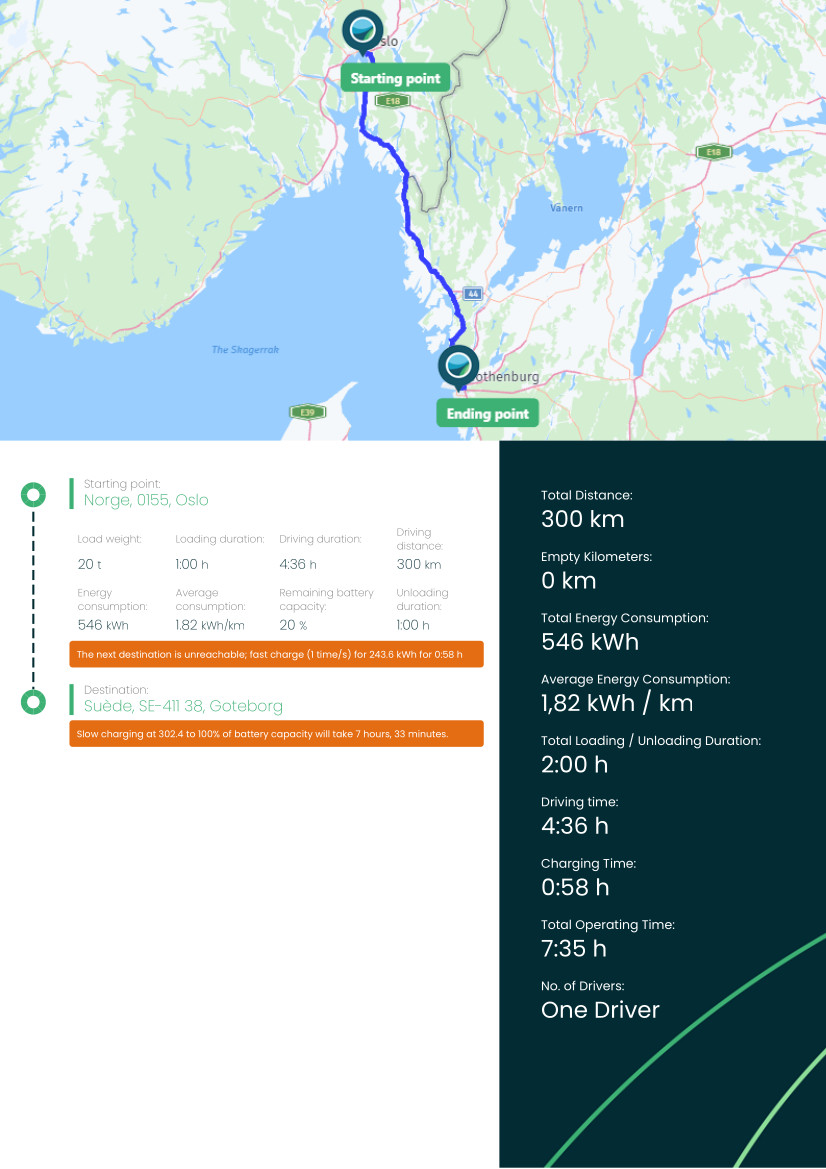
For companies interested in fleet electrification, the challenge can be an accurate analysis of transport and routes in terms of electric vehicle usage. Therefore, based on its experience, Girteka has prepared the BEVI (Battery Electric Vehicle Insight) simulation tool. This pioneering solution in the logistics industry allows companies to assess the feasibility and benefits of switching to electric vehicles without the need to purchase additional software. Thanks to BEVI, companies can accurately examine what savings and efficiency can be achieved through fleet electrification, which facilitates informed business decisions.
How does BEVI work? Based on entered data, i.e., planned route, type of trailer (curtain-sided, refrigerated), and terrain on the route (mountainous, flat, both), cargo weight, additional requirements or intermediate points, as well as estimated loading and unloading time, a report is generated. It contains information on the total route length, estimated energy consumption, or required charging time. The report shows how switching to BEV affects transport, and thus a more sustainable and efficient supply chain.
– Thanks to this insight, every company, regardless of whether it operates on the domestic or international market, can easily check the possibilities of using electric trucks on its routes. With the support of our sustainability team, we can work on individual solutions, within which we transform initial ideas into concrete, optimized, and environmentally sustainable solutions – says Remigijus Stugys, Marketing Manager at Girteka.
The BEVI simulation tool is publicly available at www.girteka.eu/electric-trucks and can be used by any company, not just those working with Girteka.
Source: Girteka Group