








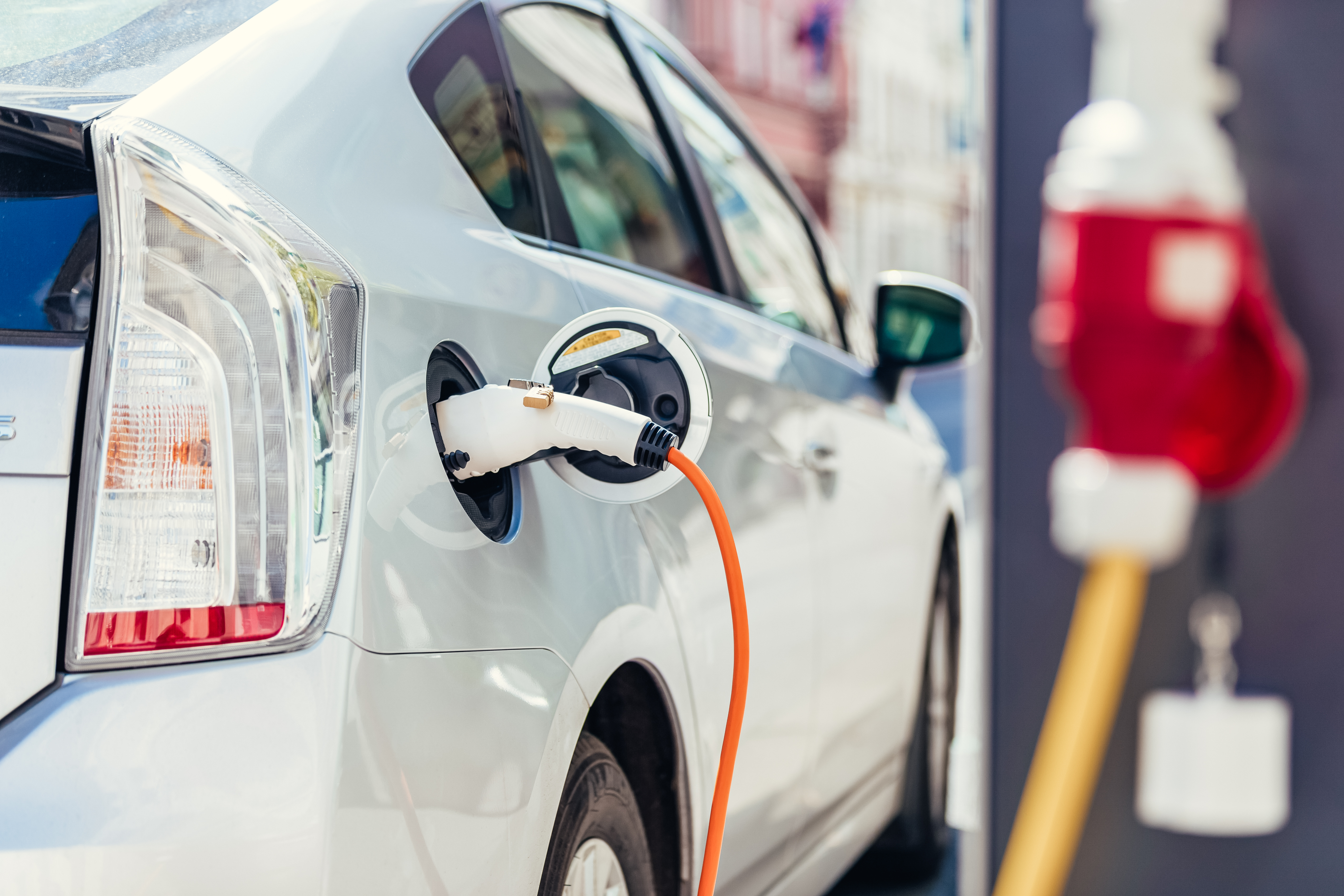
Sales of electric cars will surpass sales of all other vehicles by 2030, and by the end of the decade, there will be over 75 million electric cars on European roads, EY experts predict. The number of charging points on the Old Continent is also growing, currently reaching nearly 745,000. The EY and Eurelectric report How do we solve the challenge of data interoperability in e-mobility? shows that in the electric vehicle ecosystem, interoperability and information exchange will play a key role in improving the driver experience. Every electric vehicle generates data that becomes the basis for personalized recommendations and targeted services.
In all markets where zero-emission vehicles have appeared, we are observing a gradual increase in their numbers. Currently, electric vehicle sales account for 16% of all cars purchased globally. In 2023, over 14.1 million new electric-powered vehicles hit the roads, and their total number exceeded 40 million. In the EU, as well as in the UK, Norway, and Switzerland, battery electric vehicles (BEVs) and plug-in hybrid electric vehicles (PHEVs) accounted for one in five new cars sold in 2023.
There is no indication that this upward trend will stop – quite the contrary. According to analyses by EY experts, electric vehicle sales in Europe will surpass sales of other vehicles by 2030, and there will be 75 million zero-emission cars on the roads. A forecast from two years ago assumed that their number would reach 65 million by then. One of the responses to this growth is the decline in battery prices, which unexpectedly jumped in 2022. Issues such as ecology, driving comfort, and more widespread charging infrastructure are also coming to the fore.
– Electric cars are becoming an increasingly attractive option for consumers, which is leading to dynamic sales growth. They see many benefits associated with owning them, such as lower maintenance and operating costs – the price of energy in many markets is more favorable than the price of fuel. Added to this is greater environmental awareness, and many companies are switching their fleets to zero-emission to meet their sustainability commitments. Technological progress related to shorter charging times, which increases convenience, is also significant – comments Jarosław Wajer, EY Partner, leader of the energy department in Poland and the CESA region.
Logistics at the beginning of the eco-road
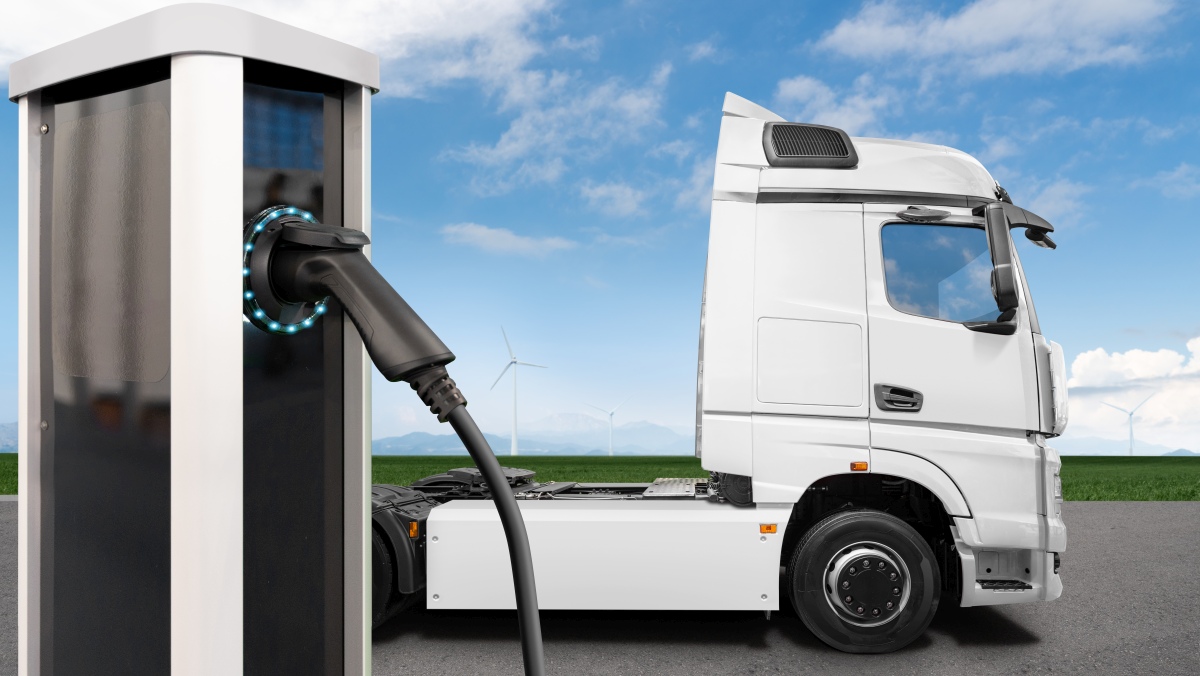
Sales of zero-emission heavy-duty vehicles (eHDVs) are also growing in Europe. More than 7% of vans are currently electric, while trucks with such engines account for 1.5% of the market, which means a jump from just 0.4% in 2022. In turn, sales of electric buses rose to 14%, driven primarily by France, Spain, and Germany. Although the beginnings of change are visible in the logistics sector, the widespread adoption of electric vehicles will be more difficult here than in the case of passenger cars.
– Ensuring sufficient range for delivery vehicles is more complicated, and cargo adds extra load to the batteries. In the case of such fleets, the infrastructure must be appropriately scaled and provide the ability to charge multiple vehicles simultaneously. And this requires significant investments in the expansion of charging stations – notes Jarosław Wajer.
More charging stations
Strategically located charging stations are essential to reduce user concerns about range and long journeys. Today, electric cars are advanced enough to program their own routes, taking into account convenient charging stops. And these are becoming easier to find. In Europe, the number of public charging points increased by 40% – from approximately 530,000 in 2022 to 744,000 a year later. However, the distribution of infrastructure is not uniform. In 2023, about 78% of European charging points were located in just seven countries: Belgium, France, Germany, Italy, the Netherlands, Sweden, and the UK.
The adoption of the Alternative Fuels Infrastructure Regulation (AFIR) will ensure that fast public charging stations for passenger cars and vans are installed every 60 kilometers along the main EU transport corridors, the so-called TEN-T network. For eHDVs, full network coverage is expected by 2030. As electric cars become more widespread, a continuous and proportional increase in the number of places where they can be charged will be necessary. Electric vehicle users themselves will help in accurately identifying new points.
– The data generated by every electric car allows for effective information exchange between different systems and platforms, which is crucial for ensuring the efficiency, safety, and convenience of using these vehicles. Thanks to them, we have, among other things, insight into where new charging stations are needed, based on electric vehicle usage patterns and information about grid capacity. With the help of such data, planning new investments in the field of electromobility becomes faster and easier – explains Michał Lesiuk, EY Partner, leader of the advisory department for the industrial production and mobility sector.
Smart services
Using electric cars is becoming more convenient every year and better meets the expectations of drivers. Data generated by electric cars form the basis for personalized recommendations and targeted services. The International Energy Agency report shows that new services will save the global electric vehicle industry over $4 billion by 2030 through cost reductions and increased efficiency.
In the EY and Eurelectric report, we read that the deployment of fast and ultra-fast direct current (DC) chargers has accelerated, increasing by 77% to over 100,000, with an increase in the number of alternating current (AC) chargers by 36%. Technological progress means that fast chargers now have a power rating 10 times higher than five years ago, which means that charging time is significantly shorter. Thanks to data exchange between different systems, charging schedules can be optimized based on grid capacity and electricity rates in real-time, weather forecasts, and individual driver needs.
– Behind the development of charging infrastructure is a huge technological leap, but electromobility has not yet said its last word. Today, it is supported by intelligent systems that analyze large amounts of data, and this area will continue to develop. A major challenge remains universal access to charging stations in every European country. Faster installation of devices outside the trans-European transport network is necessary. Charging points must appear in workplaces, near residential estates, and commercial facilities, and high-power fast-charging hubs should be more numerous to replace today’s gas stations – adds Jarosław Wajer.
About the report
The analysis How do we solve the challenge of data interoperability in e-mobility? conducted by EY and Eurelectric is based on interviews with leading representatives of the automotive, energy, oil and gas industries, battery manufacturers, fleet management companies, leasing companies, and charging station representatives. It shows trends and opinions regarding the electromobility market in Europe and globally.
Source: EY