









In today’s logistics sector, energy has ceased to be merely a cost. Thanks to effective management, it is becoming a key element determining a company’s success. Logistics operators are observing a growing demand for energy – in automated warehouses, cold storage facilities, and electric vehicle charging stations. The way energy is managed is now just as important as the infrastructure itself. It enables business operations without downtime, cost control, and independence from external suppliers. This significant shift is driven by the rapid development of the industry and an unstable energy market.
The risk of supply interruptions
In the face of dynamic changes and market unpredictability, the security of energy supply is of paramount importance today. Grid overloads, limitations in connection capacity, and energy infrastructure failures can lead to serious disruptions in the functioning of logistics facilities. For distribution centers, this means not only downtime but also real financial losses – lost orders, contractual penalties, or damage to goods, especially in the case of cold storage warehouses. In an environment where operational continuity is crucial, the reliability of energy supply becomes one of the foundations of doing business.
Growing demand for energy
An additional challenge is the constantly growing demand for energy. Modern logistics parks increasingly include advanced distribution centers with automated storage systems, extensive cold chain infrastructure, and electric vehicle charging stations. These facilities are characterized by high and variable energy consumption, which places a significant burden on existing grid infrastructure, especially in older locations. In many cases, connection limitations become a barrier to further development.
Local energy generation in practice
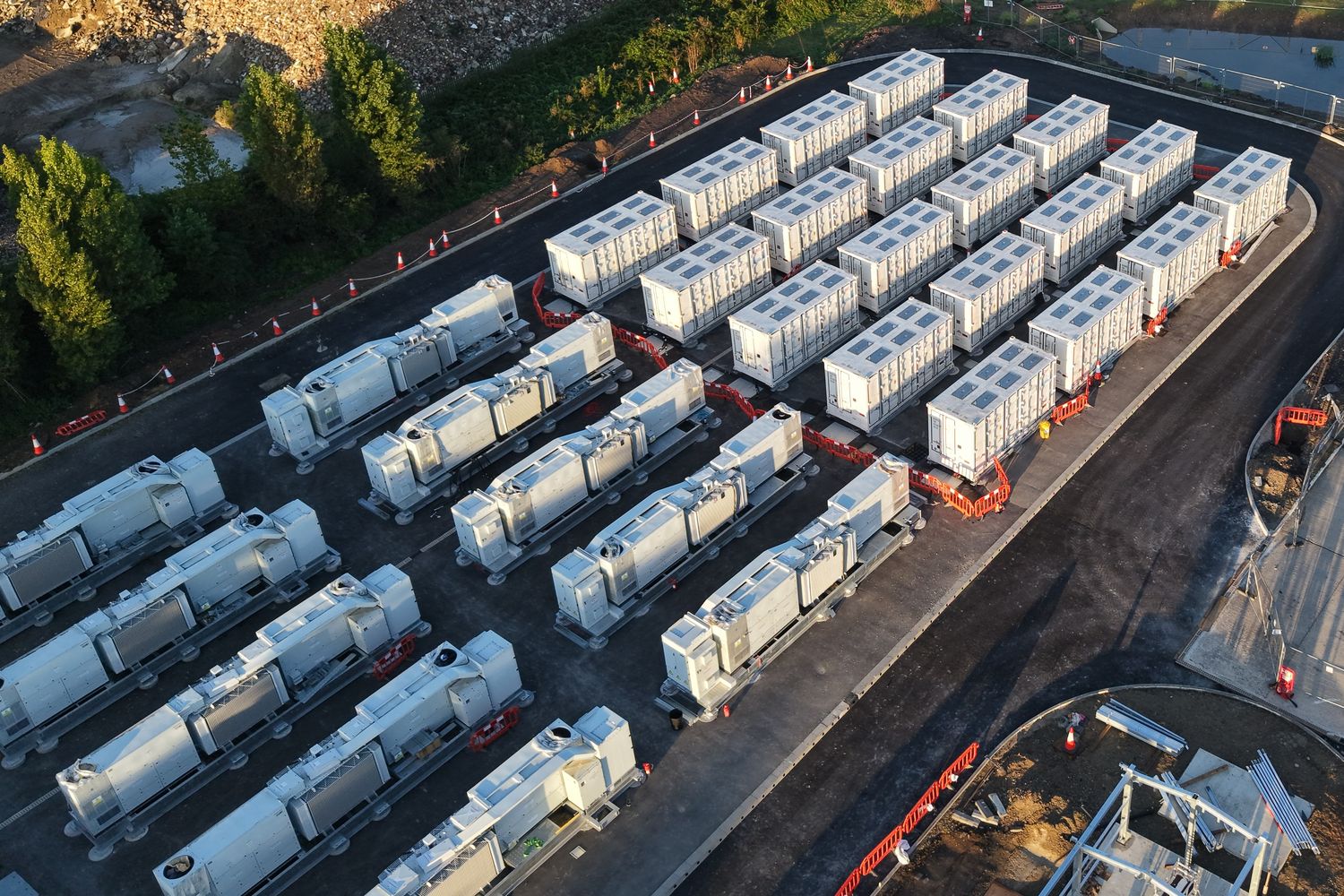
In response to these challenges, logistics operators are increasingly willing to invest in local energy sources – photovoltaic installations or solar projects combined with Battery Energy Storage Systems (BESS) for self-consumption. Although the development of energy storage in Poland is still at an early stage, available data indicate a systematic increase in their number. The total capacity of energy storage systems grew to approximately 0.6 GW in 2025, which means a tenfold increase compared to just two years earlier. Integrating renewable energy installations with storage systems enables effective management of energy production and consumption. Surplus energy generated during the day can be stored and used during peak demand hours, which translates into greater operational and financial stability.
As a pioneer of the Polish renewable energy sector for nearly two decades, we have been observing and actively shaping the energy market. The logistics industry, in the face of growing energy demand, volatile prices, and the risk of supply interruptions, needs solutions that guarantee stability and independence today. The development of hybrid systems, combining solar projects with Battery Energy Storage Systems (BESS), is becoming a key element of infrastructure here. Thanks to this combination, logistics operators can rely on the fact that energy generation by panels ensures operational continuity, cost optimization, and real growth in energy autonomy – which is the foundation for building long-term competitiveness and business resilience – says Ireneusz Kulka, Country Lead EDP in Poland.
Business benefits
Implementing a local energy generation strategy brings multidimensional business benefits. First and foremost, operators can limit their exposure to market price fluctuations and better plan operating costs. At the same time, operational resilience increases – ensuring access to energy for key processes minimizes the risk of downtime and associated financial losses.
Another advantage is full energy independence. Own energy sources reduce reliance on external suppliers and increase control over key resources. This translates directly into greater stability of supply chains, especially in the case of operations requiring uninterrupted power supply – such as product cooling, automation of warehouse processes, or charging electric fleets.
Implementation challenges
Implementing an energy strategy based on own energy sources involves significant challenges, especially for companies that have previously relied solely on conventional solutions. A key issue is choosing an experienced partner who will tailor solutions to the needs of a given company – e.g., logistics – and support it in the analysis, design, implementation, and management of energy systems. An example is EDP, a pioneer of the Polish renewable energy sector, which has been investing in wind and photovoltaic projects in Poland for nearly 20 years, and is currently implementing its first hybrid investments combining solar systems with BESS. Recently, EDP started an investment for the PBI Group in the Świętokrzyskie Voivodeship, involving the construction of one of the first and simultaneously one of the largest photovoltaic installations in Poland integrated with an energy storage system – a 5.7 MWp installation with a 10 MWh storage capacity.
Energy as the foundation of logistics
In the era of advancing electrification and the dynamic development of the logistics sector, energy is becoming an increasingly critical element of operational infrastructure. Integrating renewable energy sources with storage systems not only helps reduce costs and increase operational stability but also builds long-term business resilience. For modern logistics operators, investments in local energy generation systems guarantee operational safety and open up the prospect of building competitiveness.