









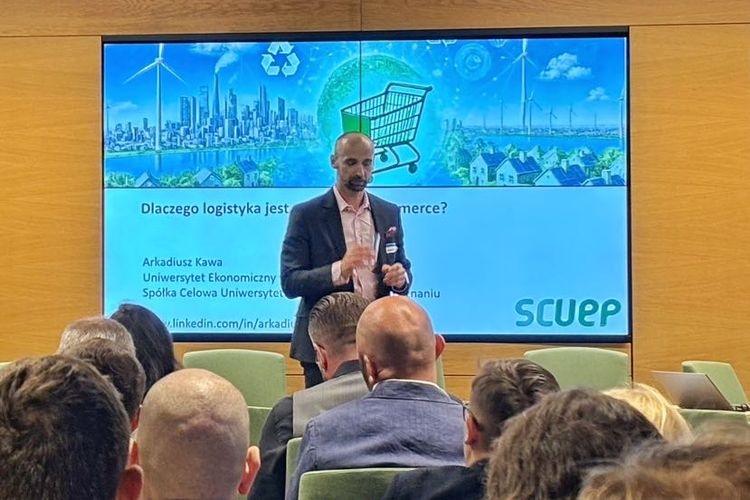
A report from the speech by Arkadiusz Kawa, President of the Management Board of the Celowa Company of the Poznań University of Economics and Business, during yesterday’s conference “E-commerce at a turning point – logistics that delivers and sells”.
In 2024, the global number of shipments exceeded 190 billion. This is an average of over half a billion parcels per day, which clearly shows the difficult task the logistics industry is facing. In Poland, the scale is smaller, although the upward trend is also very visible: in 2021, approximately 800 million shipments were made, and by 2024, there were already over 1.2 billion.
The thinking that logistics is a cost still persists. Logistics in itself does not generate sales, which is why in many companies it is treated as an unavoidable expense. But this is flawed thinking. Properly organized logistics becomes a source of competitive advantage and a tool for building value – pointed out Arkadiusz Kawa.
The customer buys a promise
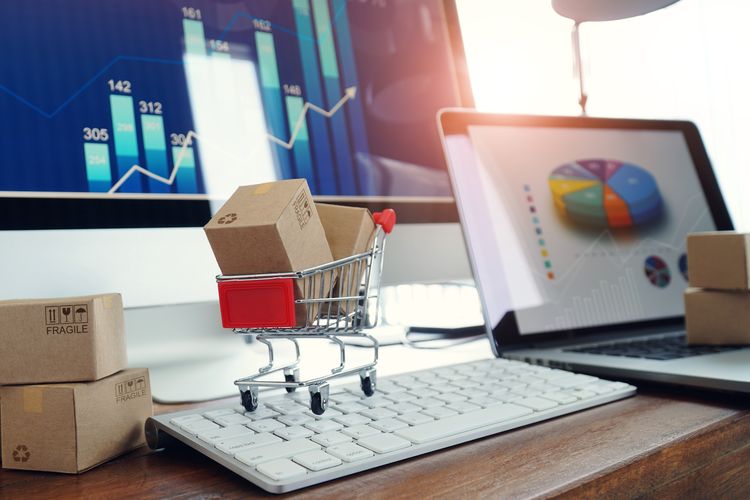
In traditional retail, the consumer immediately takes the product off the shelf. In e-commerce, they purchase a promise – that the goods will be delivered quickly, in the right condition, and to the chosen location. It is logistics that is the key to fulfilling this promise. Same-day delivery, weekend pickup options, or the possibility of free returns influence loyalty and repeat purchases.
A customer who receives a shipment on time, in good condition, and in a convenient form, not only returns but also recommends the store to others – noted Kawa.
Main challenges for the industry
The expert pointed out several areas that particularly complicate operational activities:
- demand volatility – accumulation of orders after weekends and sales peaks during Black Friday, Cyber Monday, or the holidays,
- omnichannel – the need to integrate online and offline sales,
- fragmentation of orders – customers are increasingly buying individual products, which increases the number of shipments,
- diversified delivery options – consumers want to choose between a courier, a parcel locker, a pickup point, and even – as is being tested in the United States – delivery to the trunk of a car,
- non-standard goods – an increasing number of bulky shipments (e.g., furniture, grills, tires) that require special handling.
Last mile and the environment
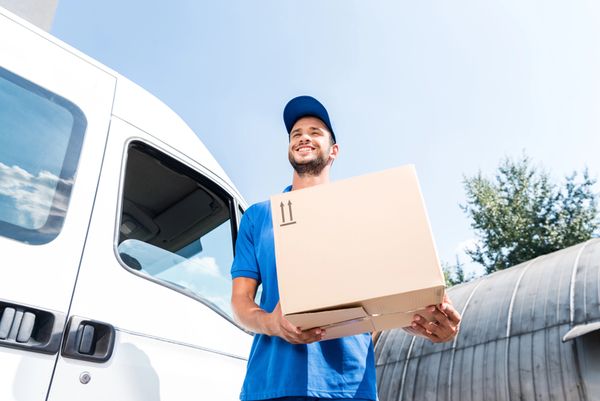
The last mile remains the most expensive and sensitive element of the process. A courier, delivering shipments to the door, handles an average of 100 – 150 parcels per day, while to parcel lockers – up to 1200. This disparity explains the rising costs of home deliveries and the popularity of locker networks. In Poland, the share of this channel in shipments has already reached 70%.
The increased number of couriers in cities also means traffic jams, noise, and CO₂ emissions. That is why there is more and more talk in cities about the creation of microhubs (there are already such in Wrocław and Poznań), bicycle deliveries, or investments in low-emission vehicles.
Packaging – a problem and an opportunity
The issue of packaging is another area requiring changes. Customers are increasingly criticizing the excess of cardboard and fillers that turn apartments into waste warehouses. So-called oversizing, i.e., shipping small products in boxes that are too large, generates not only frustration but also additional transport costs. The solution may be more ecological materials, standardization of sizes, or the development of reusable packaging.
Panel discussion
The logistics industry is facing a choice today: whether to remain in the role of a cost center or to use logistics as a tool for building competitive advantage. The scale of the market leaves no illusions – e-commerce will continue to grow, and with it the pressure for efficiency, flexibility, and sustainable development. This topic was discussed by the panel participants: Wiesław Majewski – Supply Chain Director at Baltona, Artur Zbroja – Group Transportation Director at Allegro, Thomas Bloch – CEO of LinkParcel4You, Adam Zając – Director Cross Border at Alsendo, and Waldemar Hlebowicz – CEO of Orlen Paczka. For each of them, logistics is a potential to be exploited: for gaining new customers, building trust, technological development, or environmental protection.