









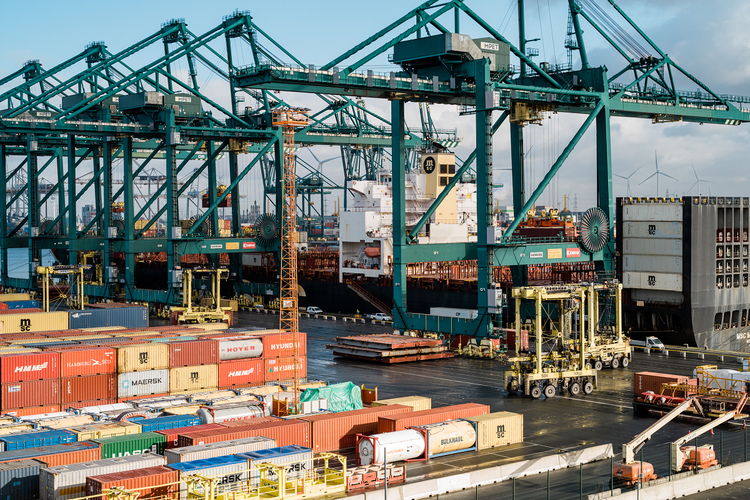
A new digital container release process at the Port of Antwerp, known as Certified Pick up (CPu), is entering its next phase. Instead of using PIN codes, container collection will be based on identity starting this July. The process, which ensures secure, transparent, and efficient operations, applies to all import containers unloaded from deep-sea vessels.
Mandatory registration by June 1
The second phase of the digital Certified Pick up process will begin on July 1. From that day on, terminals at the Port of Antwerp will gradually transition to the new method of handling containers, based on identity rather than PIN codes. The MPET and PSA terminals will be the first to use the system, where identity is verified via Alfapass and a fingerprint scan. Since all shipping lines must grant their customers the right to release containers, they are requested to register for the CPu process via the NxtPort website by June 1, 2021.
Safer, more transparent, and more efficient
CPu came into effect on January 1, 2021, ensuring a safer, more transparent, and more efficient container release process at terminals. CPu is a neutral, central data platform where all parties in the container import process are connected. Following discussions with the port authority, it was decided that the implementation of CPu would take place in stages. In the first phase, CPu provided transparency regarding container status in the form of a series of “green lights,” aimed at increasing operational efficiency for every party in the chain.
– The next phase of the CPu process is an important step in creating a virtually fully secure port. This new method of working guarantees a fast and efficient release process for incoming containers, which then leave the port by rail, inland shipping, or road transport. The fact that we have managed to achieve this in consultation with various partners in the port chain once again proves the strength and resilience of the Antwerp port community – says Jacques Vandermeiren, CEO of the Port of Antwerp.
– Thanks to this new way of working, as a port community, we are taking on social responsibility in the fight against international drug trafficking. In this way, together with various partners, we are making efforts to ensure the continued security of the logistics chain and are moving towards a digital ecosystem that should also lead to increased efficiency for companies – says Annick De Ridder, Port Alderman.
The Port of Antwerp, the second-largest port in Europe, is an important entity for the Belgian economy. More than 300 liner services to over 800 destinations ensure global connectivity. The port handles approximately 231 million tonnes of international maritime cargo annually and is home to Europe’s largest integrated chemical cluster. The Port of Antwerp provides, directly and indirectly, a total of approximately 143,000 jobs and over 20 billion euros in added value.
True to its mission as a “home port essential for a sustainable future,” the Antwerp Port Authority strives to respond flexibly to the rapidly evolving maritime market, enabling the port to play the role of a leading global port. In this regard, the focus is on cooperation, adaptability, innovation, and digitalization, as well as responsibility towards society.
Source: Port of Antwerp