








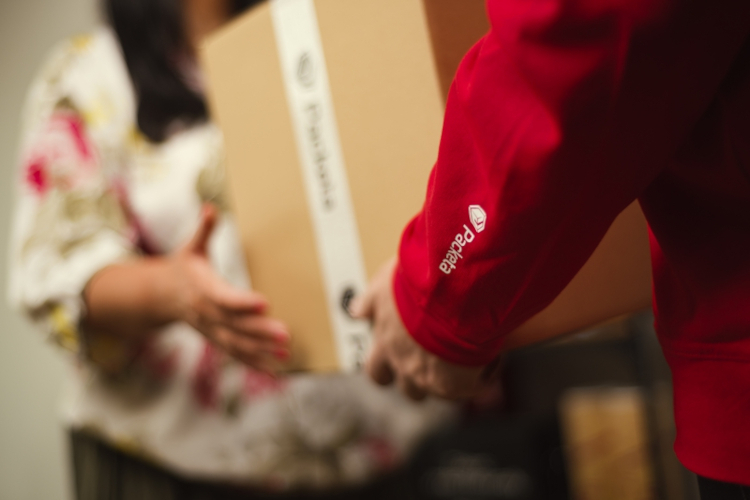
Over the past year, e-commerce has become not only a way of shopping but also a platform for innovation, adaptation, and rapid response to a changing world. In the context of the future of e-commerce in 2024, a number of trends are emerging. Personalization to the limit is becoming the norm, and the importance of an ecological approach to business is growing, which is visible, for example, in the popularity of green logistics and returnable packaging. Additionally, the development of subscription shopping and the evolution of preferred parcel collection methods are shaping the future of the industry, creating new standards in electronic commerce.
Personalization to the limit
Personalization in e-commerce has become a significant factor determining success in the industry. Currently, this trend plays a key role in marketing strategies and customer shopping experiences. In Poland, it is particularly noticeable in the fashion, cosmetics, and technology sectors. E-commerce platforms use machine learning algorithms to analyze customer preferences and shopping behaviors. For example, popular Polish online stores use recommendation systems based on big data, allowing consumers to receive personalized shopping suggestions. In Europe, especially in Scandinavian countries, Germany, and the UK, online stores and marketplace platforms are investing in advanced AI technologies to tailor shopping experiences to individual customer preferences. This includes personalized product recommendations, dedicated promotions, and marketing communication, thereby increasing customer engagement and loyalty. Meanwhile, in the USA and China, e-commerce giants such as Amazon and Alibaba use advanced algorithms. Amazon uses AI to provide customers with product recommendations based on their purchase history, while Alibaba bases its recommendation systems on data analysis.
Development of international trade
International e-commerce is another important trend. Many e-stores, including Polish ones, are looking for new sales outlets, actively entering foreign markets. Among domestic stores, there is a noticeable increase in interest in expansion into the Czech Republic, Slovakia, Hungary, or Romania. The Balkans and the Baltic countries are also becoming increasingly popular. The German market also remains consistently attractive. Conversely, more and more foreign e-commerce businesses are starting to turn their attention to Poland, entering with their offers directly or with the help of marketplaces, such as Amazon or eBay, as well as our domestic Allegro, where one can find many offers from stores outside our country. Active sales activities by foreign e-stores further mobilize Polish e-commerce businesses to seek new consumers outside our country’s borders.
Green logistics: evolution in delivery methods
Growing ecological awareness is becoming a key factor transforming logistics in the e-commerce sector. The dynamics of this process in Europe are manifested through the development of green solutions in deliveries. The growing interest in electric transport and alternative means, such as bicycles in cities, is a response to concerns for the natural environment.
Dense networks of parcel lockers or PUDO points (pick-up and drop-off points) are gaining popularity, offering customers the ability to collect parcels at a time and place convenient for them, thus reducing the need for individual deliveries. Additionally, the growing role of electric vehicles in cities is a significant step towards reducing CO2 emissions in transport. Their more widespread use not only reduces the negative impact on the environment but also supports the development of green logistics in the industry. This is the beginning of changes that are taking shape as a response to the increasing commitment to caring for the planet and reducing the environmental impact of commercial activities.
Packaging – growing popularity of alternative solutions
Consumers are increasingly choosing brands that care about the environment. For example, in Europe, online stores such as Zalando or H&M promote recycled products, and in Canada, Shopify supports online stores that use biodegradable packaging. This is accompanied by the growing popularity of returnable boxes. Customers increasingly prefer ecological packaging solutions, supporting brands that use environmentally friendly materials. In Scandinavian countries, e-stores promote reusable packaging, thereby reducing the amount of waste generated.
Subscription shopping: a new consumer model
Subscription shopping offers customers regular product deliveries on a subscription basis. This consumer model is gaining popularity not only in global markets but also in Europe and Poland, albeit with varying rates of adoption. It was in the United States that services such as “Amazon Subscribe & Save” or “Dollar Shave Club” achieved success, inspiring similar initiatives around the world. In Europe, especially in Western countries, this trend is developing dynamically and is already clearly visible in the UK and Germany. In Poland, there is also a noticeable increase in interest in subscription shopping in response to customer expectations for convenience and constant access to products. Companies offer subscriptions for a variety of products, from cosmetics to food or household items, and customers clearly see the benefits of regular deliveries.
In summary, 2024 will bring changes in preferred delivery methods, increased ecological awareness, and the adoption of new consumer models, such as subscriptions. It is also a time when parcel collection methods are evolving and delivery times are being shortened, adapting to the dynamically changing expectations of customers.
Source: Agnieszka Haponik, marketing manager at Packeta Poland.