









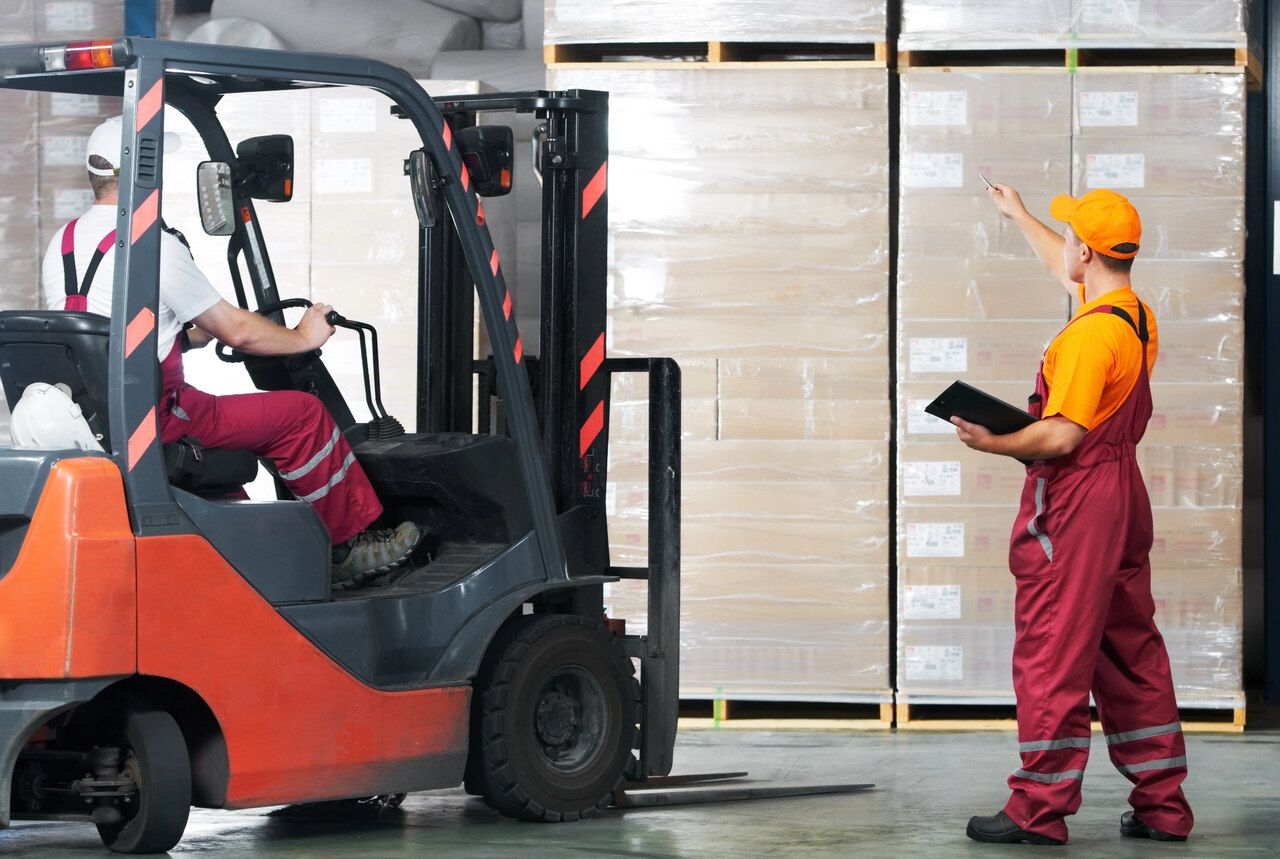
Although they are not typical means of transport, forklifts are also covered by third-party liability insurance. Until recently, this obligation applied only to forklifts introduced into road traffic, but on November 6, this situation changed. The amendment to the Act on Compulsory Insurance introduces a new definition of traffic, which also significantly affects forklift owners.
New definition of introduction into traffic
Until now, the Act stated that third-party liability insurance applied to owners of forklifts introduced into traffic. This meant that the forklift had to enter or be introduced onto a public road, a residential zone, or a traffic zone.
– As of November 6, 2024, the introduction of a vehicle into traffic means any use of a motor vehicle consistent with its function as a means of transport, regardless of its characteristics and the terrain on which it is used, and regardless of whether it is stationary or in motion – explains Maurycy Kieruj, a lawyer at TC Kancelaria Prawna.
Forklift as a means of transport
A forklift is treated as a means of transport because, in addition to lifting and lowering loads, it moves along with them. The change in the definition of traffic results from recent rulings of the Court of Justice of the European Union. For the necessity of covering a forklift with compulsory third-party liability insurance, it no longer matters what terrain it moves on. Forklifts used in industrial or warehouse areas generally did not have third-party liability insurance characteristic of road vehicles until now. Their operation and any potential damages were usually covered under general business insurance.
Third-party liability insurance for every forklift
As Maurycy Kieruj notes, the justification for the draft law that introduces the discussed changes does not indicate that the legislator’s goal was to strictly cover forklifts with third-party liability insurance.
– Nevertheless, the changes indicated above should be interpreted in such a way that from the date the changes enter into force, i.e., from November of this year, forklifts introduced into traffic should have third-party liability insurance. The introduced changes do not provide for any formal exception that we could present. A forklift should therefore be covered by such insurance from the moment it is introduced into traffic, regardless of where it will operate – adds the expert from TC Kancelaria Prawna.
Consequences of the legal changes
Forklifts, as slow-moving vehicles, are not subject to registration, so they do not appear in the CEPiK database. The Insurance Guarantee Fund (UFG) uses it to determine whether the insurance obligation has been met and, if necessary, imposes penalties for the lack of third-party liability insurance for slow-moving vehicles. The amount of such a penalty is equivalent to one-third of the minimum wage. Forklifts should be registered with the Office of Technical Inspection (UDT), so it can be assumed that further legal changes will allow the UFG to collect data from the UDT. A potential lack of third-party liability insurance may be significant in the event of an accident involving an uninsured forklift. In such a case, the UFG may be informed about the lack of third-party liability insurance by the police.
Source: TC Kancelaria Prawna