








In the dynamically developing TSL (Transport, Spedition, Logistics) industry, a key challenge is the constant readiness to transport even the most demanding cargo. Among these are those carried out in accordance with ADR (Accord européen relatif au transport international des marchandises dangereuses par route) regulations, covering dangerous materials such as chemicals, fuels, radioactive materials, and others.
The transport of dangerous goods constitutes one of the most strictly regulated issues in the industry. The ADR Convention, established in 1957 in Geneva, provides a framework for the transport of such materials. Although initially used by few countries, it is now a standard in 46 European states, including Poland since 1975.
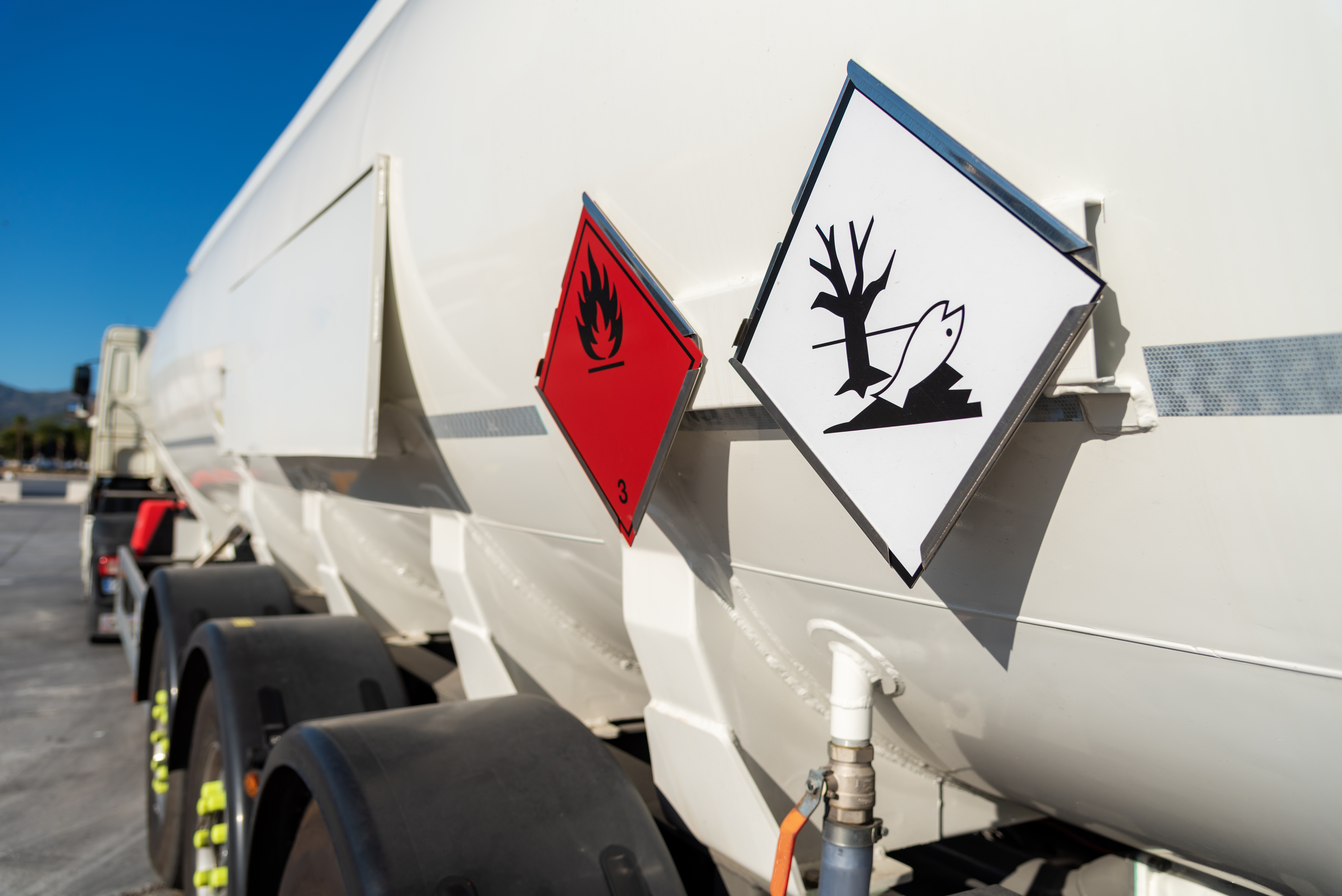
Every product considered potentially dangerous is subject to classification into one of 13 categories (explosive substances and articles; gases; flammable liquids; flammable solids; self-reactive substances; polymerizing substances and solid desensitized explosives; substances liable to spontaneous combustion; substances which, in contact with water, emit flammable gases; oxidizing substances; organic peroxides; toxic substances; infectious substances; radioactive material; corrosive substances; and miscellaneous dangerous substances and articles). Each of them receives an individual identification number and an appropriate label on the transport vehicle.
The transport of ADR goods takes place in accordance with strictly defined procedures. This can be transport in packages, in bulk without packaging, or in special tankers, depending on the type and state of the material. Regardless of the method, it is crucial to maintain appropriate safety standards and adhere to designated routes, minimizing the risk to the environment and people.
– The transport of dangerous goods in accordance with ADR regulations is one of the most demanding tasks in transport. A transport company that performs such transport must possess high specialized knowledge, have trained drivers, and trucks equipped according to standards. The lack of these elements calls into question the effectiveness and safety of transporting dangerous substances, which can pose a threat to both people and the natural environment – says Sylwia Pawlina, Managing Director of Intertransauto – Every driver transporting goods in accordance with ADR must undergo appropriate training and obtain a certificate, which guarantees awareness of the risks and the ability to react properly in the event of accidents.
Since 2003, every transport company in Poland specializing in the transport of dangerous substances must employ a so-called ADR advisor. Regulations require that persons whose duties concern the road transport of dangerous goods be trained in the requirements related to such transport, according to the scope of their responsibility and duties. This applies to persons such as: employees hired by the carrier or consignor, employees loading or unloading dangerous goods, employees of forwarding or shipping companies, and drivers transporting dangerous goods.
Modern approaches to the transport of ADR materials place emphasis on innovation and sustainable development. The TSL industry is constantly looking for new solutions, implementing, among others: fleet monitoring and management technologies, vehicles powered by alternative energy sources, or using advanced safety systems such as automatic emergency braking (AEB), traction control (TCS), or lane departure warning (LDW) systems, which help avoid accidents and thus ensure the safety of all road users.
Source: Clue PR / Newseria / Intertransauto